
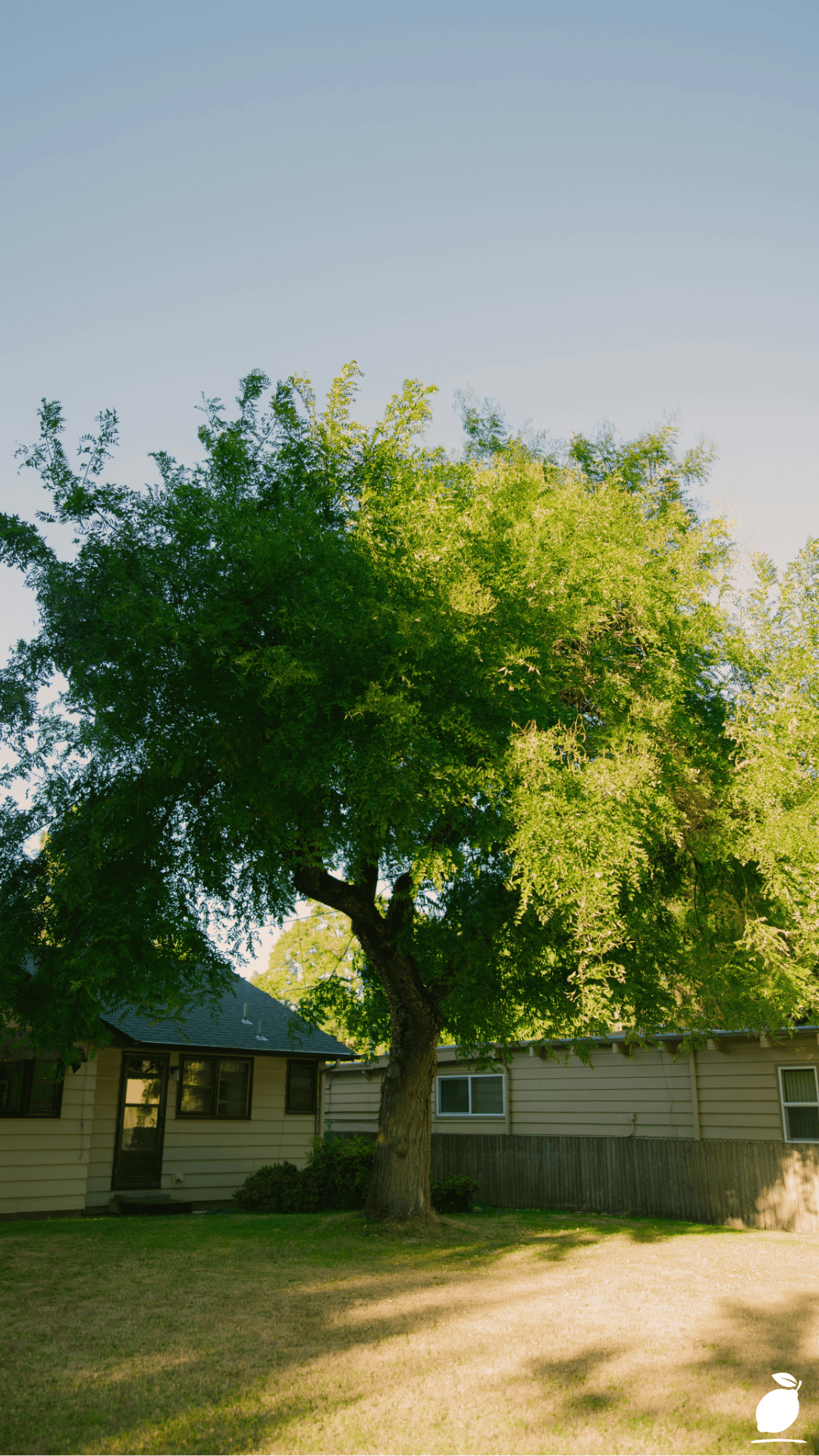
There was a summer not so long ago when I genuinely stopped going out the back door. Not because anything was wrong with the yard exactly, just because nothing was right with it either. The grass grew in patches where it grew at all. Under the big oak tree near the fence line, there was a spreading bare zone of compacted dirt that no amount of seed seemed to fix. The rest of the lawn was an uneven patchwork of different green shades, some coarse and fast-growing, some fine and slow, some gone entirely where the kids had worn the same path from the door to the swing set down to bare earth. Every spring, I bought a bag of grass seed from the hardware store, scattered it hopefully, watered it diligently for about two weeks, and watched it fail with the quiet resignation of someone who has given up expecting a different result.
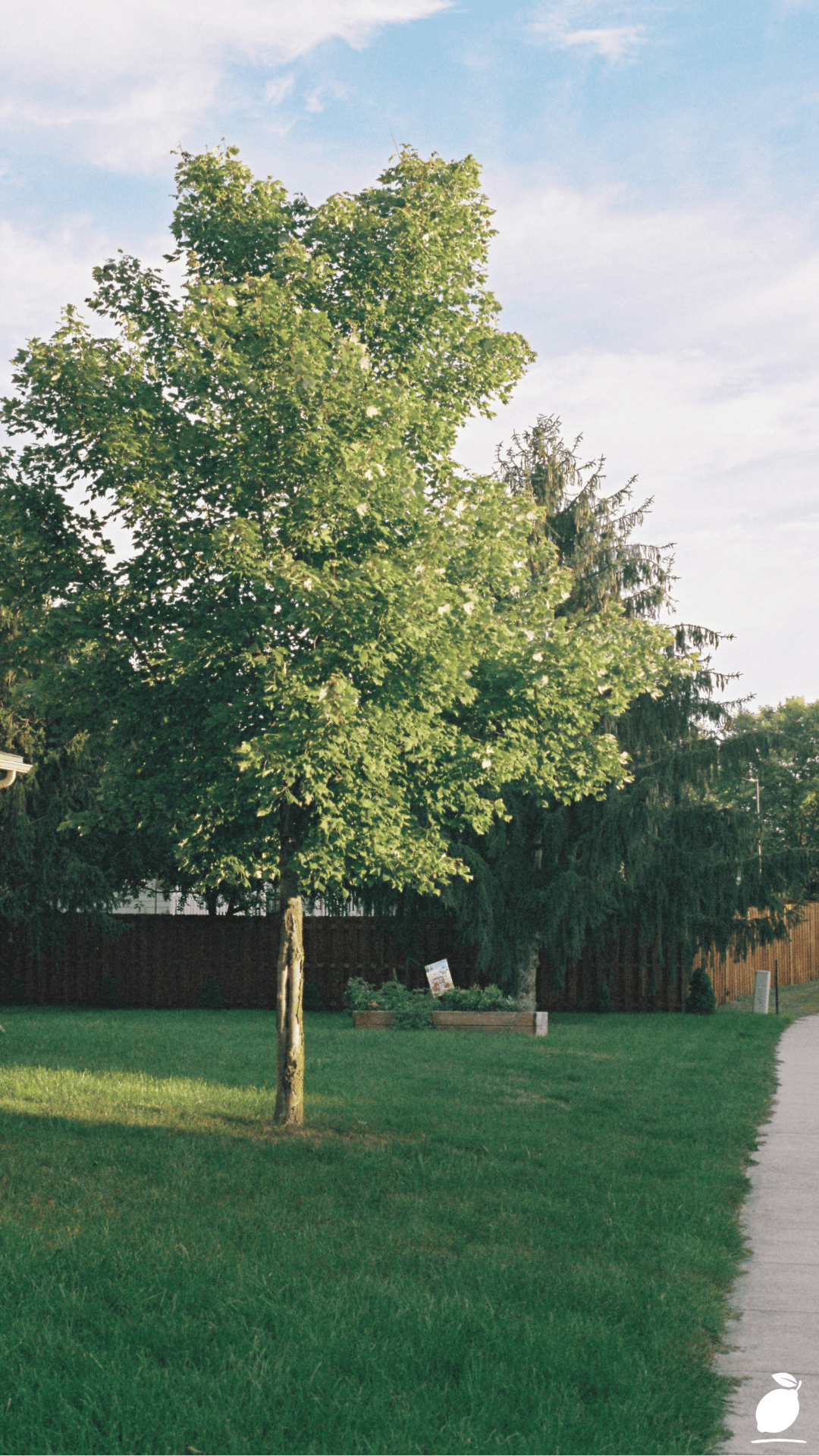
The shift came when I stopped treating the lawn as a single problem with a single solution and started looking at it the way good backyard grass ideas actually work as a collection of distinct micro-environments, each one needing its own approach. The shaded zone under the tree was not the same problem as the high-traffic path. The dry, south-facing strip along the fence was not the same problem as the damp low spot near the corner of the house. Once I understood that backyard grass ideas aren’t one-size-fits-all but site-specific, that the large mature tree in my yard wasn’t the enemy of a beautiful lawn but simply a condition to design around, everything became manageable. The image of a yard where a massive tree and lush, even grass coexist in golden-hour harmony stopped feeling like someone else’s luck and started feeling like an achievable outcome.
This post compiles the backyard grass ideas that actually changed my yard: the specific grass types, the site-matched approaches, and the maintenance practices that produced a lawn I now genuinely want to spend time in. Whether you’re dealing with shade, compaction, drought, heavy traffic, or the general patchy chaos that most real backyards live in, there is a backyard grass idea in this guide that speaks directly to your situation. Let’s go through them one by one.
The Backyard Grass Ideas Guide
The best backyard grass ideas match the grass variety and approach to the specific conditions of your yard. Here are the most effective options, each with a clear explanation of why it works and where to use it.
Fine Fescue Blends for Shaded Areas Under Trees
Why it works: Fine fescue, which includes creeping red fescue, chewings fescue, and hard fescue, is the most shade-tolerant of all cool-season grasses and one of the most versatile backyard grass ideas for yards dominated by mature trees. It grows well in the dappled, filtered light beneath a large canopy, requires less water than most turf grasses, and stays relatively low-growing, reducing mowing frequency. Fine fescue blends specifically formulated for shade (look for “shade mix” on the packaging) typically contain multiple fescue species that collectively cover a wider range of light and moisture conditions than any single species alone. Overseed the shaded zone under your tree in early autumn. Fine fescue germinates best in cool soil temperatures, and keep foot traffic off the area until the new grass is fully established.
Tall Fescue for High-Traffic Lawn Areas
Why it works: If worn paths and compacted zones are your primary backyard grass challenge, tall fescue is the most durable and practical of all the backyard grass ideas for heavily used family lawns. Unlike fine fescue, tall fescue develops a deep, extensive root system that resists compaction and recovers from foot traffic far more effectively than Kentucky bluegrass or perennial ryegrass. It maintains good color even during mild drought conditions, is disease-resistant, and, critically for family yards, tolerates the kind of repetitive concentrated use that kids and dogs produce with complete indifference to lawn health. Tall fescue turf-type varieties (look for TTTF Turf-Type Tall Fescue on seed packaging) are finer-bladed and more aesthetically refined than older coarse varieties, giving you durability without sacrificing appearance.
Zoysia Grass for Warm-Climate Backyards
Why it works: For homeowners in the transition zone or warm southern climates, zoysia is one of the most rewarding backyard grass ideas available. It produces a dense, carpet-like lawn that crowds out weeds through sheer establishment density, tolerates heat and drought once established, and has a fine, soft texture that looks genuinely luxurious underfoot. Zoysia goes dormant and turns straw-colored in winter in cooler zones, which is worth knowing before you choose it, but in warm climates, where it stays green year-round, it’s among the most low-maintenance backyard grass ideas for a high-quality appearance with minimal input. Establish zoysia via plugs or sod in late spring when soil temperatures are consistently above 70°F for fastest coverage.
Buffalo Grass for Low-Maintenance Drought-Prone Yards
Why it works: Buffalo grass is one of the most dramatically low-maintenance of all backyard grass ideas for dry climates, prairie regions, or yards where water conservation is a genuine priority. A native North American grass, it has evolved to thrive on rainfall alone in many regions, requires very infrequent mowing (it naturally stays at 4 to 6 inches and looks intentionally naturalistic at that height), and produces a soft blue-green color that looks sophisticated and deliberate rather than neglected. It’s one of the backyard grass ideas that rewards less intervention, but overwatering and over-fertilizing actually harm it by encouraging weedy competition. For homeowners tired of the high-input demands of traditional lawn care, buffalo grass is a genuinely liberating choice.
Perennial Ryegrass for Fast Results and Overseeding
Why it works: When speed of establishment is the priority after renovation, after construction damage, or when filling in bare patches quickly, perennial ryegrass is the fastest-germinating of all cool-season backyard grass ideas, sprouting visibly within five to seven days of seeding under ideal conditions. It produces a fine-bladed, bright green, attractive turf that photographs beautifully and establishes a presentable lawn faster than any other option. It’s most often used as a component in grass seed blends rather than as a standalone lawn, where it provides quick cover while slower-establishing species like Kentucky bluegrass or tall fescue develop their deeper root systems. For overseeding thin or patchy areas of an existing lawn, a perennial ryegrass-dominant blend delivers visible results faster than almost any other backyard grass idea.
Clover and Grass Blends for Eco-Friendly Backyard Lawns
Why it works: One of the most progressive and increasingly popular backyard grass ideas in 2026 is the deliberate incorporation of white clover into a traditional grass lawn. Clover fixes atmospheric nitrogen naturally, reducing or eliminating the need for synthetic fertilizer while keeping the lawn a rich, deep green even in dry conditions. It stays low, flowers only briefly, and its soft texture creates a meadow-influenced aesthetic that feels both naturalistic and intentional. Clover is highly attractive to pollinators, which benefits your entire garden ecosystem, and it fills in bare patches far more aggressively than grass seed alone. Micro clover varieties (specifically bred to be finer and lower-growing than standard Dutch white clover) are the best choice for mixed backyard grass ideas where a traditional lawn appearance is still desired alongside the ecological benefits.
Expert Secrets for Success
Pro-Tips for Better Results
- Aerate before overseeding for dramatically better germination rates. Compacted soil is the number-one barrier to successful backyard grass ideas involving seeding. Core aeration, pulling plugs of soil from the lawn surface, creates channels for seed, water, and fertilizer to reach the root zone rather than sit on a compacted surface that repels them. Rent a core aerator from your local equipment rental center and aerate the entire lawn before any overseeding project. Germination rates and establishment speed increase measurably in aerated versus non-aerated soil, making this the single highest-value prep step in any backyard grass ideas project.
- Match your grass seed selection to your specific USDA hardiness zone and sun exposure. The most common failure in backyard grass ideas isn’t poor execution; it’s choosing the wrong grass type for the site. Cool-season grasses (fescue, ryegrass, Kentucky bluegrass) thrive in Zones 3 through 7 with distinct warm and cold seasons. Warm-season grasses (zoysia, bermuda, buffalo grass, St. Augustine) perform best in Zones 7 through 11. Planting cool-season grass in a warm climate or warm-season grass in a cool climate produces chronic underperformance regardless of how perfectly you execute every other aspect of your backyard grass ideas.
- Water newly seeded areas lightly and frequently rather than deeply and infrequently. Newly germinated grass seed has no root system capable of reaching deep soil moisture. The first two to three weeks after seeding require light, frequent irrigation twice daily in dry or windy conditions to keep the seed zone consistently moist without waterlogging. Once the grass reaches 2 inches in height and has established visible roots, transition to a deep, infrequent watering schedule (one inch per week in a single application) that encourages deep root growth and drought resistance.
- Leave grass clippings on the lawn after mowing. Grasscycling, leaving mowed clippings on the lawn surface rather than bagging them, returns approximately one-third of the nitrogen the grass consumed back to the soil as the clippings decompose. Over a full growing season, this natural fertilization reduces your synthetic fertilizer needs by 25 to 50% and contributes measurably to the dense, healthy growth that makes backyard grass ideas succeed long-term. Clippings decompose within days when you mow at the correct frequency and never remove more than one-third of the blade height in a single mowing.
- Overseed in early autumn for cool-season grasses, late spring for warm-season grasses. Timing is the most leverage-generating factor in any overseeding backyard grass ideas project. Cool-season grass seed germinates best when soil temperatures are between 50°F and 65°F, conditions that occur naturally in early autumn in most northern regions. Warm-season grasses establish fastest when soil temperatures consistently exceed 70°F. Seeding outside these optimal windows produces slow, uneven germination and exposes young seedlings to temperature extremes that kill them before they establish.
Common Mistakes to Avoid
- Applying too much seed thinking, more is better. Over-seeding creates competition between seedlings for light, water, and nutrients, producing thin, weak grass rather than the thick, lush result you’re imagining. Follow the seeding rate specified on your seed packaging precisely. For overseeding into existing turf, use half the new lawn rate specified on the bag. Crowded seedlings strangle each other, and the resulting lawn is actually thinner at establishment than one seeded at the correct rate.
- Mowing the lawn too short (” scalping “). Cutting grass too short removes the leaf blade that performs photosynthesis and feeds the root system, weakening the grass and creating open space for weed seeds to germinate. The correct mowing height varies by grass type. Tall fescue should be maintained at 3.5 to 4 inches, fine fescue at 2.5 to 3.5 inches, zoysia at 1 to 2 inches, but no grass type benefits from being cut shorter than its recommended minimum. Raise your mower deck, and your lawn’s health will improve measurably within a single growing season.
- Watering in the evening. Evening watering leaves the grass blades wet through the night, the prime conditions for fungal disease development. Fungal lawn diseases (brown patch, dollar spot, pythium blight) are among the most damaging and most preventable lawn problems, and they are dramatically more common in lawns that are routinely watered after 4 PM. Always water in the early morning, ideally between 4 AM and 10 AM, so the grass surface dries completely before nightfall.
- Ignoring soil pH before fertilizing. Grass roots cannot access nutrients in soil with the wrong pH, regardless of how much fertilizer you apply. Most turf grasses perform best in soil with a pH between 6.0 and 7.0. Soil that is too acidic (below 6.0) or too alkaline (above 7.5) locks nutrients in forms the grass cannot use, producing thin, yellow, disease-prone turf that doesn’t respond to fertilizer. A basic soil test (available from your local cooperative extension office or garden center for under $20) identifies pH and nutrient deficiencies before you spend money on products that the soil can’t make use of.
- Planting grass under dense tree canopies without a shade-specific approach. Attempting to establish sun-loving grass varieties in deep shade under a mature tree produces predictable failure: the grass germinates, struggles, thins out, and eventually disappears, leaving bare soil that compacts and erodes. If your tree canopy is too dense for even shade-tolerant grass to establish, embrace the alternative: a mulched ring of natural wood chips extending from the trunk to the canopy’s drip line, underplanted with shade-tolerant groundcovers like pachysandra, ajuga, or liriope. This approach looks intentional, eliminates the maintenance problem permanently, and actually benefits the tree’s root system by improving soil moisture retention.
Why Backyard Grass Ideas Matter
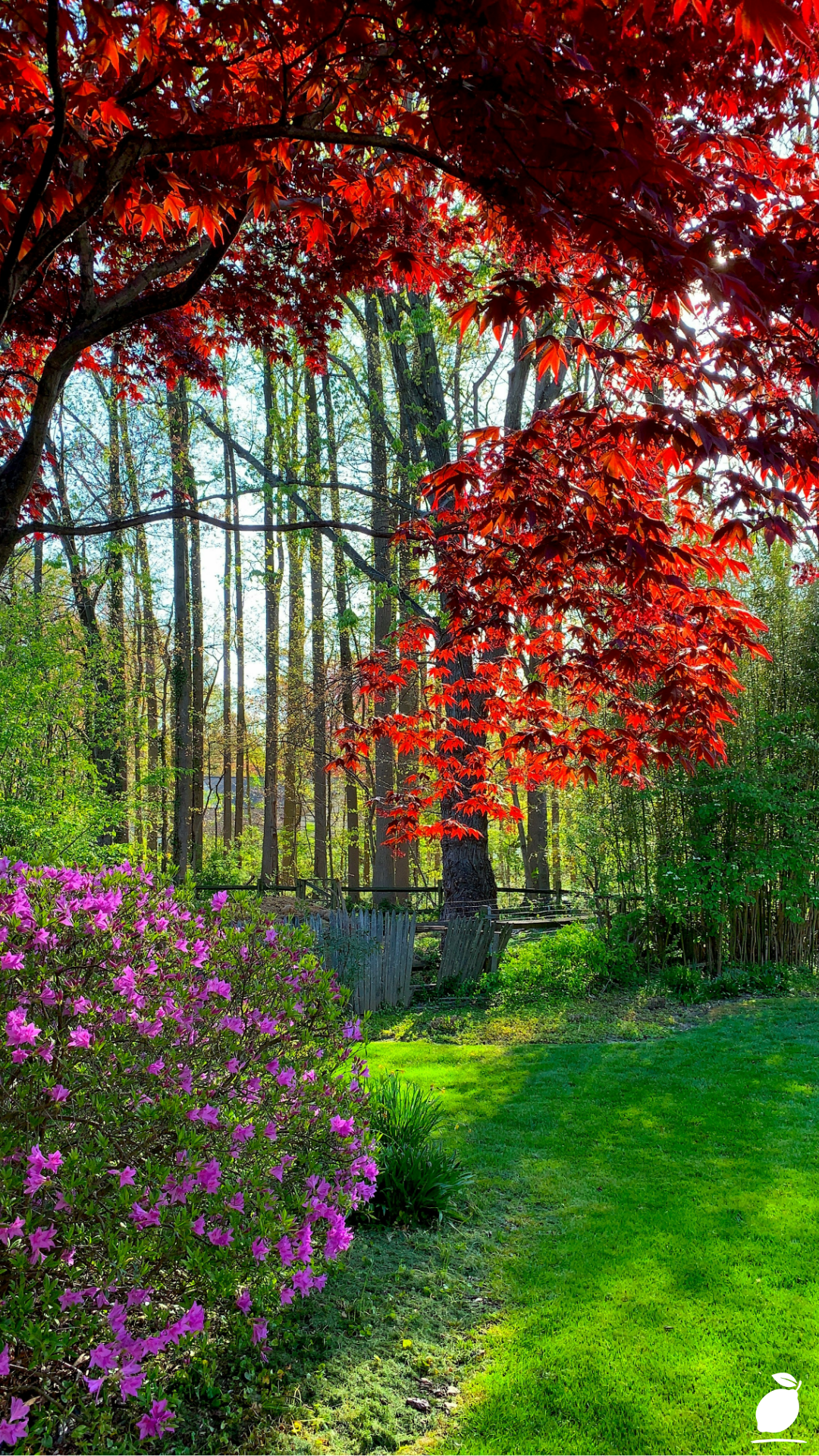
A lawn that you’re proud of changes how you use your outdoor space and how often. That shift is not trivial. The difference between a backyard you avoid and a backyard you inhabit is, in practice, the difference between having outdoor space and not having it. When the grass is patchy and the yard feels like a problem you’re managing rather than a place you’re enjoying, the back door stays closed. Kids find their entertainment inside. Adults eat dinner at the kitchen table instead of the patio. The outdoor space that should be extending your home’s livable square footage sits largely unused because something about its condition communicates disorder rather than invitation. Getting the backyard grass ideas right, even in modest, incremental ways, opens that door again in the most literal sense.
There is also something specific and well-documented about what tending a lawn does for the person doing the tending. The combination of physical movement, engagement with a living system, visible feedback from effort, and time spent in natural light and fresh air produces a reliable state of what researchers call “restorative attention,” the gentle, unfocused awareness that allows an overstimulated mind to replenish itself. Mowing, aerating, seeding, and watching new grass establish are not glamorous activities. But they are grounded ones. They return you to a timescale that the rest of modern life has largely abandoned: the timescale of growth, of seasons, of gradual and genuine improvement. In a household with children, a lawn you tend together is one of the most accessible versions of shared purposeful work available. The backyard grass ideas in this post are, underneath the practical information, an invitation to that experience.
Frequently Asked Questions
What are the best backyard grass ideas for yards with large shade trees?
Fine fescue blends are the strongest backyard grass ideas for areas beneath large, mature trees. They tolerate deeper shade than any other turf grass variety and require less water, which is important in zones where tree roots compete aggressively for soil moisture. In very dense shade where even fine fescue struggles to establish, transition to a mulched ring underplanted with shade-tolerant groundcovers. This is a more sustainable and lower-maintenance long-term approach than fighting the shade with repeated reseeding.
How do I fix bare patches in my backyard grass?
The most effective approach to bare patch repair combines three steps: core aeration of the patch and surrounding area to relieve compaction, application of a thin (quarter-inch) layer of compost over the bare zone, and overseeding with a grass seed blend matched to your region and light conditions. Keep the seeded area consistently moist with twice-daily light irrigation until seedlings reach 2 inches. Avoid foot traffic on the repaired area for at least four weeks after germination. For patches caused by dog urine, flush the area with water immediately after use and consider reseeding with a urine-tolerant fescue blend.
When is the best time to implement backyard grass ideas involving new seeding?
For cool-season grass varieties (fescue, ryegrass, Kentucky bluegrass), early autumn, specifically the six-week window after summer heat breaks and before the first frost, is the optimal seeding time. Soil is warm enough for germination, but air temperatures are cool enough to prevent seedling stress. For warm-season grasses (zoysia, bermuda, buffalo grass), late spring through early summer, when soil temperatures consistently exceed 70°F, provides the best establishment conditions. Avoid seeding in midsummer heat or midwinter cold in any region.
What backyard grass ideas work best for low-maintenance lawns?
Buffalo grass is the most genuinely low-maintenance of all backyard grass ideas for dry and semi-arid climates. It requires minimal irrigation, infrequent mowing, and no synthetic fertilizer once established. For cooler climates, a fine fescue blend or a mixed fescue-clover lawn dramatically reduces input requirements compared to a pure Kentucky bluegrass or perennial ryegrass lawn. Incorporating white micro clover into any existing lawn blend reduces fertilizer needs by up to 50% through natural nitrogen fixation and fills bare patches aggressively without reseeding.
How do I keep my backyard grass green through summer drought?
Deep, infrequent watering is the most effective of all backyard grass ideas for drought resilience. Applying one inch of water per week in a single long session encourages roots to grow deeper into the soil profile where moisture is more consistently available. Raise your mowing height by half an inch during drought periods to reduce water stress on the grass blade. Allow cool-season grasses to go dormant naturally during extreme heat rather than trying to keep them green with frequent shallow watering, which produces a shallow root system that is even more drought-vulnerable. Dormant cool-season grass recovers fully when temperatures cool and rainfall returns in autumn.