The first sign is always something small. A corner of a cereal box chewed through. A noise in the wall at 2 AM that you tell yourself is the pipes. Droppings in the back of a kitchen drawer that you hope are something else but know, with the specific certainty of a homeowner who has been here before, are not. Mice and rats are among the most consistent and most unwelcome visitors to homes in both urban and rural settings, and the discovery of their presence triggers a specific kind of household stress that is disproportionate to the animals’ actual size. The response is typically chemical: traps, bait stations, the smell of something that promises to deter but fills the air with the same unease as the problem itself.

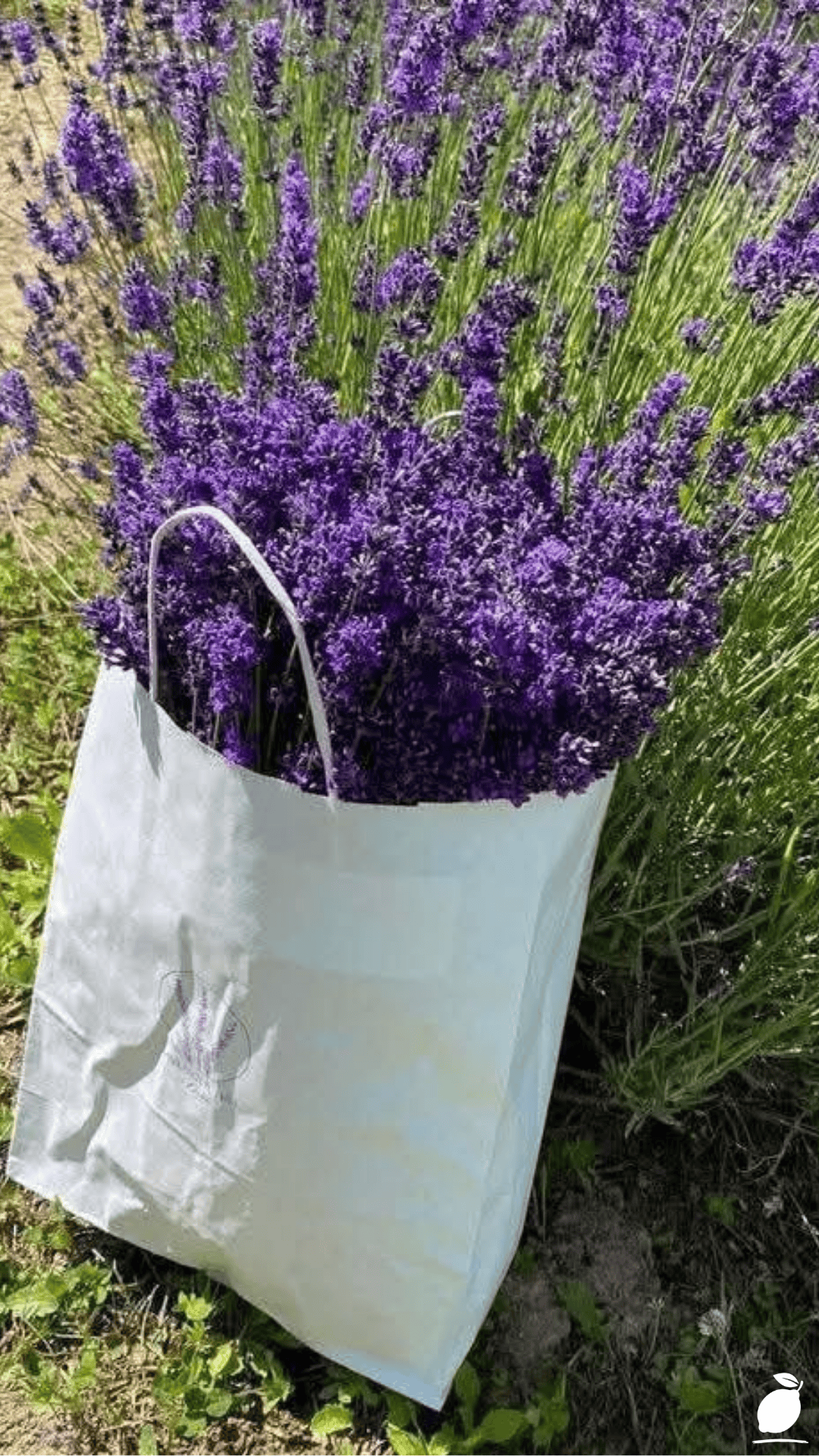
What most homeowners don’t discover until well after the chemical intervention phase is that the most durable and the most pleasant approach to keeping mice and rats out of a home and garden is botanical. Rodents navigate primarily by smell; their olfactory system is their primary spatial mapping tool, and certain aromatic plants produce compounds that rodents experience as overwhelming, disorienting, and actively aversive. A lavender field is a human vision of serenity and a rodent’s equivalent of a room full of flashing alarms. The image above captures this precisely: lavender in full bloom, stems tall and dense, the purple flowers at their aromatic peak, a bag of cut stems ready to be placed where their scent is most useful. The plant that makes a garden beautiful is simultaneously communicating to every nearby mouse and rat that there is nothing for them here.
Incorporating plants that repel mice and rats into a home and garden is not a replacement for addressing existing infestations that require direct intervention, but it is the most effective long-term deterrent strategy available to homeowners who want to prevent the problem from returning or from beginning in the first place. The plants in this guide do three things simultaneously: they look beautiful, they contribute to a functional and productive garden, and they maintain a scent environment that rodents find genuinely hostile. This is the kind of home and garden solution that Easy Peasy Life Matters was built for: effective, affordable, and pleasant to live with every day of the year.
The Mice and Rats Blueprint
Step 1: Understand How Plants Repel Mice and Rats
Before selecting which plants to grow, understanding the mechanism by which they deter rodents makes the selection and placement decisions significantly more effective. Mice and rats repel from certain plants not because of any toxicity to them but because of the specific volatile organic compounds those plants emit. The essential oils and aromatic chemicals that give lavender, mint, and rosemary their scent to humans are experienced by rodents as overwhelming sensory interference that they actively avoid.
Rodents use smell to map their environment, identify food sources, detect predators, and navigate between resting places and foraging areas. A scent environment dominated by strong aromatic plant compounds, particularly those containing linalool (lavender), menthol (mint), and camphor (rosemary, eucalyptus), disrupts this olfactory mapping with what rodent researchers describe as a “masking” effect. The rodent cannot reliably smell past the dominant botanical scent to assess whether the area is safe, which makes areas with high concentrations of these plants unattractive for nest establishment and food sourcing.
This means that the effectiveness of mice and rats deterrent planting is directly proportional to the density of the planting; one lavender plant in a large garden produces insufficient scent concentration to deter rodents reliably, while a dense drift of lavender along a foundation wall produces the masking effect that makes the area genuinely inhospitable. Understanding this density requirement before planting is the strategic insight that makes mice and rats deterrent planting actually work rather than just theoretically sound.
Step 2: Identify the Entry Points and High-Risk Zones for Mice and Rats
Effective plant-based mice and rats deterrence requires placing the right plants in the right positions, specifically the positions where rodents most commonly enter, travel, and establish. This step involves a walk-around assessment of the property to identify the high-risk zones where plant placement will have the most impact.
Common mice and rats entry points include: the gap between the soil surface and the foundation wall (rodents tunnel beneath soil at the foundation and find cracks in the masonry to enter); the area around utility pipe entries into the building; any gap beneath exterior doors and around window frames at ground level; and the perimeter of garden sheds, compost heaps, and any area with food storage or organic material that attracts initial rodent interest.
Common mice and rats travel routes include: along fence lines (rodents use fences as navigational corridors, following them between foraging areas and shelter); beneath established shrubs with dense ground-level cover; along the base of walls; and through long grass and undisturbed vegetation. Mapping these entry points and travel routes on a simple sketch of the property before planting allows the deterrent plants to be positioned precisely where their aromatic deterrence is most needed rather than where they happen to fit the garden’s existing design.
Step 3: Select and Plant the Mice and Rats Deterrent Species
The following plant species are the most reliably effective mice and rats deterrents, chosen for their combination of olfactory deterrence, ornamental value, and practical usefulness in the garden and home.
Lavender is the most beautiful and the most versatile mice and rats deterrent plant, the aromatic image that anchors this post. Its linalool-rich essential oils produce the masking scent effect in concentrations that mice and rats experience as genuinely aversive. Plant in dense drifts along foundation walls and fence lines, in the positions where mice and rats most commonly travel. Cut stems can be dried and placed in sachets for indoor use in kitchen drawers, beneath sinks, and in pantry shelves, extending the plant’s mice and rats deterrent function from the garden into the home.
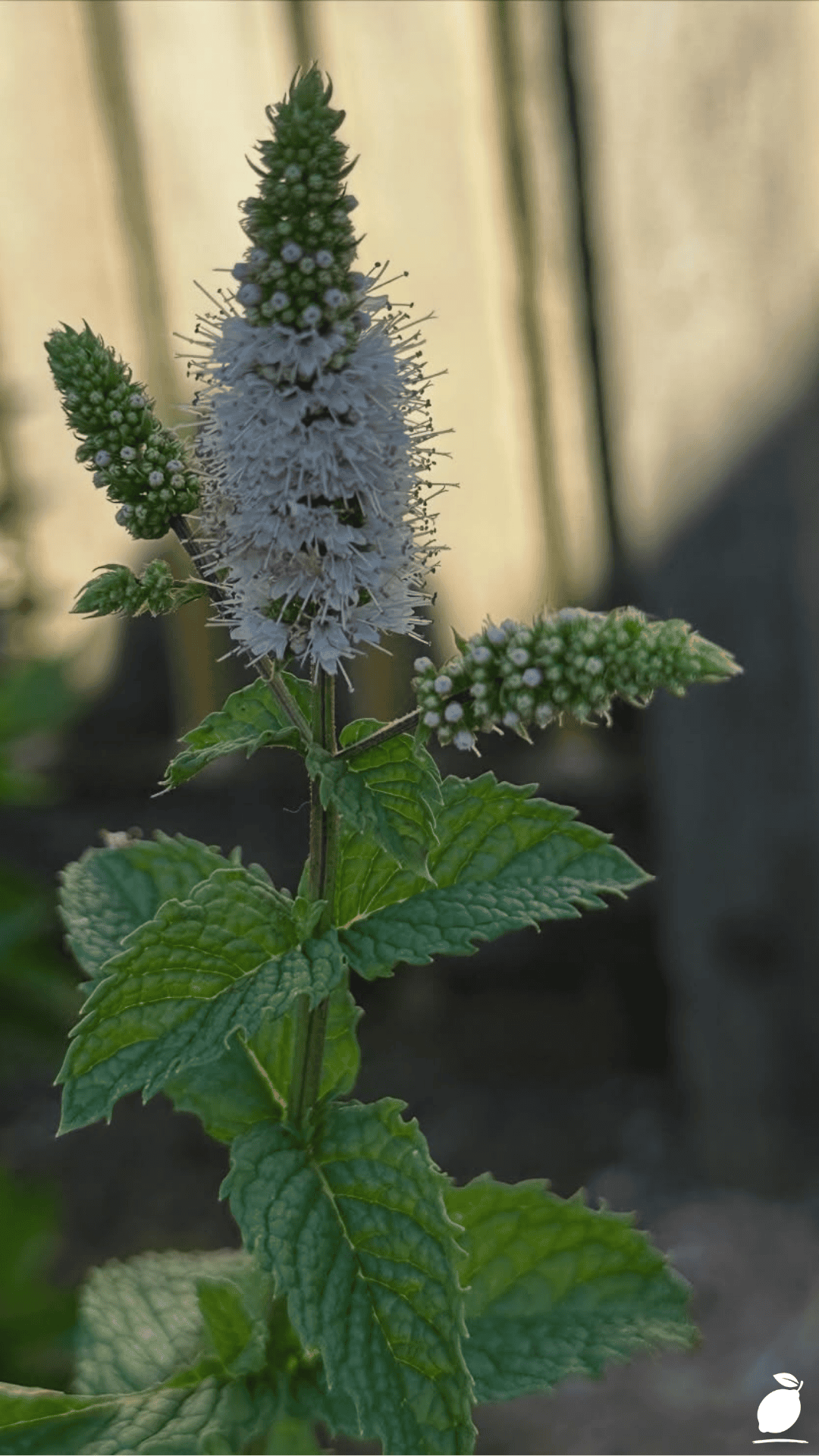
Peppermint (Mentha x piperita) produces menthol at concentrations that rodents find intensely aversive. It is the most potent olfactory deterrent in the mice and rats deterrent plant category and the most widely documented in rodent behavior research. Its limitation is its vigorous spreading habit; plant in containers or with root barriers to prevent it from colonizing adjacent garden areas. Place containers of peppermint at entry points, beside utility pipes, and around compost heaps.
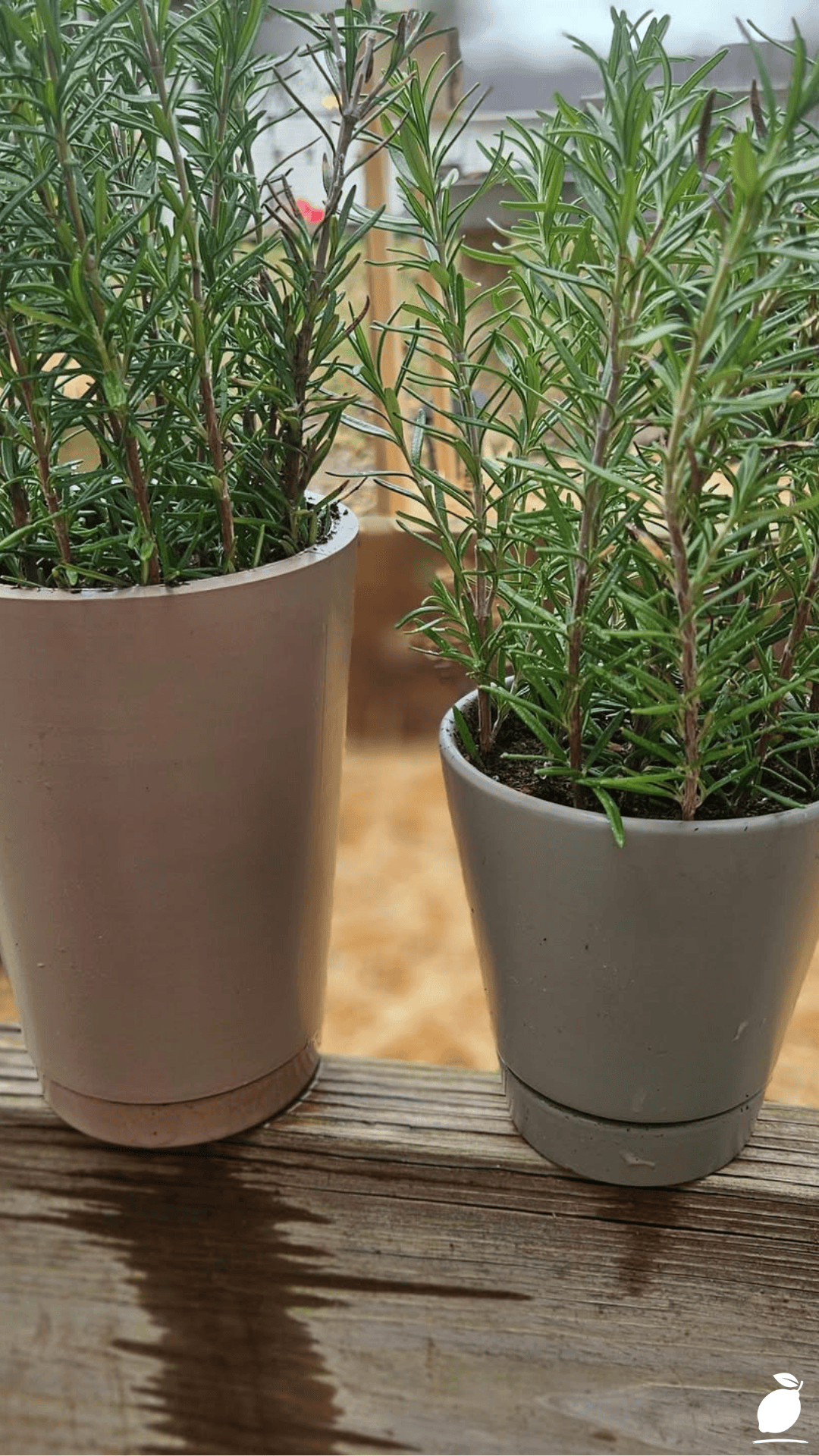
Rosemary (Salvia rosmarinus) produces camphor and other aromatic compounds that overlap with the mice and rats aversion response to strong monoterpene volatiles. It is a drought-tolerant evergreen shrub that provides year-round aromatic deterrence without seasonal die-back, making it the most consistent four-season mice and rats deterrent plant for garden border and foundation planting.
Marigolds (Tagetes species) produce thiophene-derived compounds from their roots and foliage that are broadly aversive to soil-dwelling pests, including the mice and rats that tunnel through garden beds. Their warm orange and yellow flowers make them among the most cheerful mice and rats deterrent choices for garden borders, and their ability to be grown from seed at low cost makes them the most accessible entry point for mice and rats deterrent planting on any budget.
Euphorbia (Euphorbia lathyris Caper Spurge) is specifically documented as a mice and rats deterrent; it produces a caustic latex sap that rodents find physically aversive to contact, and its presence in a planting area actively discourages mice and rats from establishing runs through the soil around it. It is biennial, self-seeding freely where conditions suit, and reaches 90cm to 1.2m in height, making it a useful structural element in a mice and rats deterrent garden planting.
Garlic and Alliums produce sulfur compounds that rodents avoid; the allicin in garlic and the related sulfurous volatiles in ornamental alliums are among the most effective natural mice and rats repellents available. Ornamental alliums planted throughout garden borders combine the mice and rats deterrence of the allium family with genuine ornamental value; their spherical purple flower heads in spring are among the most photographed garden flowers available.
Step 4: Deploy Cut Stems and Sachets Indoors for Mice and Rats Deterrence
The mice and rats deterrent function of aromatic plants extends beyond the garden boundary through the use of cut stems, dried sachets, and essential oil applications that bring the botanical deterrence into the building’s interior, specifically into the spaces where mice and rats are most likely to establish if they gain entry.
Dry lavender stems in small bundles and place the dried sachets in kitchen drawers, behind appliances, beneath sink units, and in pantry shelves. Refresh every three to four months as the essential oil concentration diminishes with time. Fresh peppermint sprigs placed in small jars of water at potential entry points beneath a gap in a door threshold, beside a plumbing access point, provide short-term high-concentration deterrence while fresh.
Essential oils of the deterrent plants peppermint, lavender, and eucalyptus can be applied on cotton wool balls and placed at entry points for targeted deterrence. The cotton wool application maintains its concentration for approximately one week before requiring replacement, making it the most intensive mice and rats deterrent approach available between fresh plant replenishments.
Expert Secrets for Success
Pro-Tips for a Better Result
Plant in dense drifts, not individual specimens. The most common reason that mice and rats deterrent plant strategies fail to produce the expected results is insufficient planting density. A single lavender plant or two peppermint containers does not generate the scent concentration required for the masking effect to deter rodents reliably. Plant a minimum of five to seven plants of the same species in each deterrent position a drift of lavender along a foundation wall, a group of peppermint containers at each entry point- to achieve the concentration threshold that makes the deterrence genuinely effective.
Combine plant species for broader olfactory coverage. Different mice and rats deterrent plant species produce different chemical compounds that deter through slightly different mechanisms. A planting scheme that combines lavender (linalool), peppermint (menthol), and rosemary (camphor) produces a broader-spectrum olfactory deterrence than any single species alone; the combination of different aromatic compounds reduces the chance that a particularly persistent or scent-habituated rodent population will adapt to any single compound.
Maintain plant aromatic potency through regular cutting. The aromatic compounds in mice and rat-deterrent plants are highest in concentration in actively growing, recently stimulated plant material. Clipping lavender, peppermint, and rosemary regularly, not just for garden tidiness but to keep the plants producing fresh aromatic growth, maintains the olfactory deterrence at maximum effectiveness. A lavender plant in full bloom and recently cut back is a significantly more potent deterrent to mice and rats than the same plant left to go woody and unpruned.
Common Mistakes to Avoid
Don’t rely on plants alone if an active infestation is already present. Mice and rats deterrent plants are a prevention strategy, not a treatment strategy. An established rodent population with established runs, nest sites, and food sources within the building will not be relocated by aromatic planting alone; the deterrence requires persistent olfactory exposure in areas where rodents are making initial access decisions, not in areas they have already habituated to. Address any active mice and rats infestation with appropriate control measures first, then implement plant-based deterrence to prevent recolonization.
Don’t place peppermint in the open ground without root barriers. Peppermint is among the most vigorous spreading plants available and will colonize any open garden soil within two to three growing seasons, overwhelming neighboring plants and becoming difficult to remove without extensive root excavation. Always plant peppermint in containers terracotta, plastic, or metal and position the containers at deterrent locations rather than planting directly into garden borders. The container-grown peppermint delivers the same mice and rats deterrence without the invasive spreading problem.
Don’t assume planted deterrents work without also addressing food and shelter sources. Mice and rats deterrent plants reduce the attractiveness of a home and garden to rodents, but they work most effectively when combined with the removal of the primary attractants: accessible food sources (unsealed compost heaps, uncovered bird feeders, accessible pet food), and shelter opportunities (wood piles against the building, dense undisturbed vegetation at the foundation, gaps in the building fabric). Plant-based deterrence combined with food and shelter source management is significantly more effective than either strategy alone.
Why Mice and Rats Matter
Living with the anxiety of rodent presence is a genuine quality-of-life issue that most homeowners significantly underestimate until they experience it. The background awareness that mice and rats may have entered the building, the checking of cupboards, the interpretation of every sound in the walls, and the specific unease of discovering evidence in a food storage area generates a persistent low-grade domestic stress that undermines the sense of home as a safe and controlled environment. Research in environmental psychology identifies the perceived safety of the home environment as one of the most significant predictors of household wellbeing, and the disruption of that perception by pest presence even at low levels has measurable effects on sleep quality, anxiety levels, and the quality of family life conducted in the affected space.
For families with children, the presence of mice and rats is not just a comfort issue but a health concern; rodents are vectors for a range of diseases transmitted through droppings, urine, and bites, and the significance of this risk is significantly elevated in households with young children who spend time on floors and with their hands in their mouths. The specific value of plant-based mice and rats deterrence in this context is that it addresses the risk without introducing the chemical and toxicity concerns that conventional rodenticides create in households with children and pets. The deterrence is botanical, and the plants themselves are often valuable additions to the household as herbs, garden plants, and decorative elements.
Easy Peasy Life Matters is built on the conviction that the best home and garden solutions are those that work with natural systems rather than against them, that are pleasant to live with, that serve multiple purposes simultaneously, and that produce a home environment that feels genuinely cared for rather than managed in crisis mode. A lavender drift along the foundation wall, a cluster of peppermint containers at the side gate, a row of rosemary beside the kitchen door these are additions to the home environment that make it more beautiful, more aromatic, and less attractive to every mouse and rat in the neighborhood simultaneously. That is the kind of solution that stays in place.
Frequently Asked Questions
Does lavender really repel mice and rats?
Yes, lavender’s essential oil contains linalool and linalyl acetate at concentrations that studies in rodent behavior have documented as genuinely aversive. Rodents presented with lavender-scented environments in controlled studies demonstrate significantly reduced activity and exploration in those areas compared to unscented controls. The key variable is that fresh or recently dried lavender at high density produces the strongest deterrent effect. A single lavender plant in a large outdoor space produces insufficient scent concentration; a dense planting of fifteen to twenty plants along a foundation line produces a measurable deterrence effect.
What is the most effective plant for keeping mice and rats out of a house?
Peppermint is the most documented and most potent single-species mice and rats deterrent plant based on the available research evidence; its menthol concentration exceeds any other commonly grown aromatic plant and produces the strongest masking effect in rodent olfactory processing. For outdoor garden deterrence, lavender provides equivalent effectiveness with significantly greater ornamental value. For indoor use, fresh peppermint and lavender sachets are equally effective when refreshed regularly. The most effective approach combines peppermint at entry points and lavender in the garden to create complementary indoor and outdoor deterrent layers.
Where should I place mice and rats deterrent plants for maximum effectiveness?
Place mice and rats deterrent plants at the specific locations where rodents most commonly enter and travel: directly beside foundation walls at ground level, at each entry point around utility pipes and door gaps, along fence lines where rodents travel, around compost heaps and garden sheds, and in any area with organic material that attracts initial rodent interest. Inside the home, place dried lavender sachets and fresh peppermint sprigs in the areas of highest rodent activity: behind and beneath kitchen appliances, under sink units, in pantry and food storage areas, and at any gap around plumbing access points.
How long do dried lavender sachets remain effective against mice and rats?
Dried lavender sachets maintain their effectiveness as a mouse and rat deterrent for approximately three to four months before the essential oil concentration diminishes to below the functional deterrence threshold. The timing varies with the lavender’s quality; lavender dried at peak bloom and stored in cool, dark conditions retains its oils longer than lavender harvested past peak or stored in warm, light-exposed conditions. Refresh indoor sachets quarterly or when the scent is no longer detectable. When the sachet is gently squeezed, the human smell test is a reliable indicator of whether the oil concentration remains at deterrent levels.