Summer has a pest problem, and it arrives without warning. One week the garden is exactly what you planned: the tomatoes are climbing, the herbs are thriving, the zucchini is producing its first optimistic fruits, and then the aphids appear on the rose buds, the whitefly colonizes the underside of every pepper leaf, and the mosquitoes claim the patio at exactly 6:30 PM every evening as though they have it in their calendars. The chemical response is immediate and understandable: a trip to the garden center, something in a spray bottle, the smell of something synthetic on the vegetables that were supposed to be clean and home-grown. And then the guilt, because the thing killing the pest is also killing the bees that were doing genuinely useful work in the same space.
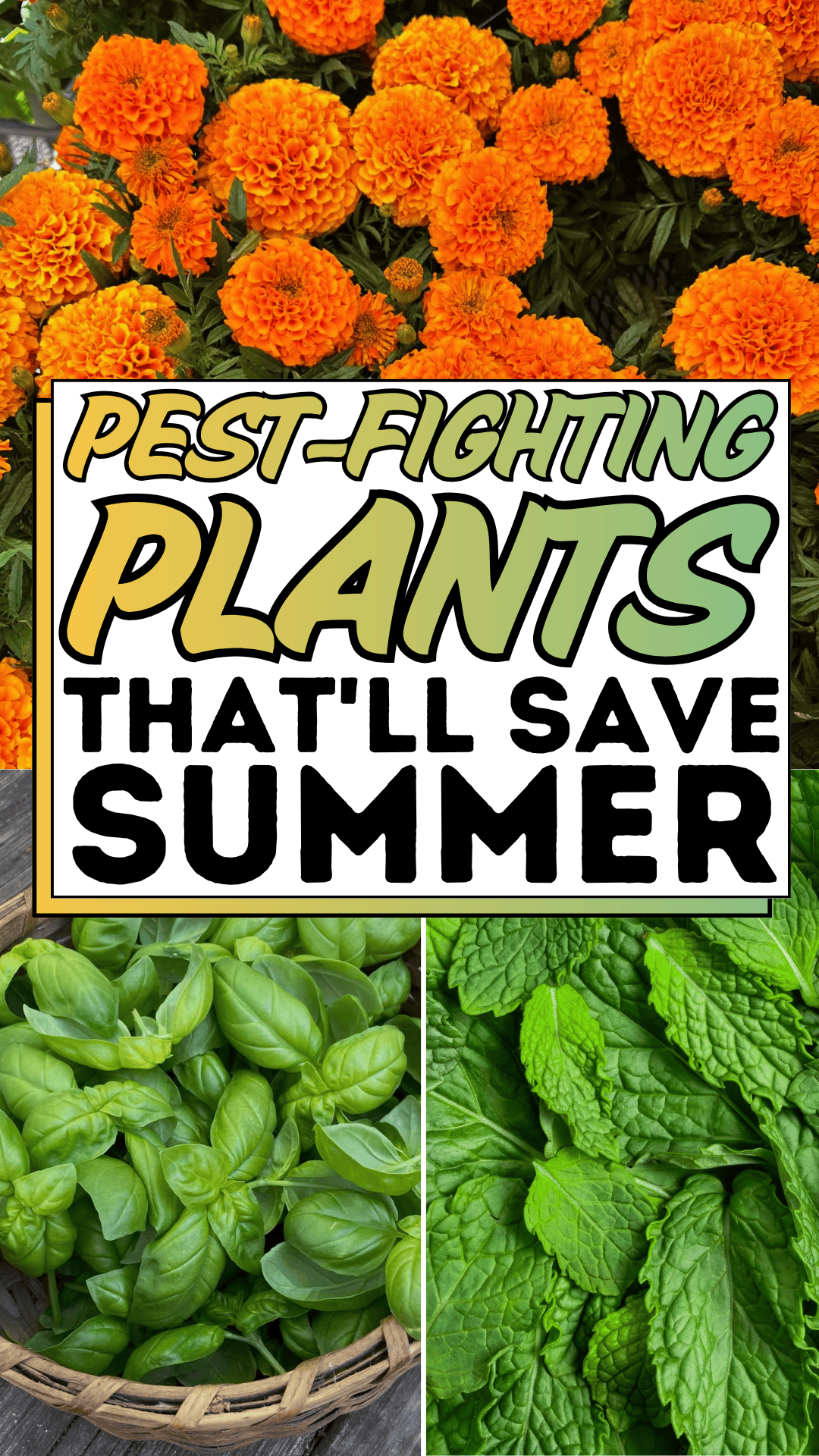
The image above is the alternative: fresh mint leaves, dense and green, rich with the aromatic oils that make mint one of the most effective and most pleasant pest-fighting plants available to any gardener. Mint doesn’t kill pests. It doesn’t need to. It disrupts the olfactory navigation that aphids, whitefly, spider mites, ants, and the host of other summer pest species depend on to find their host plants, establish feeding sites, and reproduce. A garden that uses pest-fighting plants strategically creates an environment where pests are continuously confused, redirected, and deterred not eliminated, but managed to below the threshold where they become a problem. This is the logic of companion planting, and it has been working in kitchen gardens for centuries before synthetic pesticides existed.
The pest-fighting plants in this guide are chosen for their combination of genuine deterrence, ornamental or culinary value, and the specific quality of making the summer garden more pleasant rather than less: more fragrant, more beautiful, more actively alive with the beneficial insects that keep the pest population in check. These are not backup options. They are first choices for gardeners who want a summer that is productive, beautiful, and genuinely free from the pest anxiety that chemical management never quite resolves.
The Pest Guide

Mint (Mentha species) — Deterrent for Aphids, Ants, Flea Beetles, and Whitefly
Why it works: Mint is the pest-fighting plant visible in the featured image and the most versatile aromatic deterrent in the category. Its menthol and related volatile compounds overwhelm the olfactory receptors of aphids, flea beetles, ants, and whitefly insects that navigate to their host plants primarily by smell. A menthol-rich environment masks the specific chemical signals these pests are following, reducing their ability to locate and colonize susceptible plants in the garden. Spearmint, peppermint, and apple mint all share the pest-deterrent properties, with peppermint typically producing the highest menthol concentration. Plant mint in containers near pest-susceptible plants; the spreading habit that makes open-ground mint a maintenance challenge makes container-grown mint an ideal portable pest barrier that can be positioned where it is most needed.
Lavender (Lavandula species) — Deterrent for Moths, Mosquitoes, Fleas, and Aphids
Why it works: Lavender’s linalool-rich essential oil is the compound that gives this plant its characteristic floral scent and its wide-spectrum pest-deterrent action. The same linalool that makes a lavender sachet effective at deterring clothes moths in a wardrobe makes a lavender drift at the garden’s edge effective at deterring flying pest insects from establishing in the garden’s interior. Mosquitoes, the pest that most consistently ruins evening outdoor time in summer, avoid lavender-dense environments because linalool interferes with their host-location scent tracking. Plant lavender in the border positions closest to outdoor seating areas for maximum mosquito deterrence during the evening peak period. Lavender additionally attracts beneficial insects, particularly bumblebees and hoverflies whose presence increases the garden’s natural pest control capacity.
Basil (Ocimum basilicum) — Deterrent for Aphids, Spider Mites, Thrips, and Whitefly
Why it works: Basil is the pest-fighting plant with the strongest evidence base for deterring the specific pest species that cause the most summer garden damage in vegetable plots. Its eugenol, linalool, and estragole compounds are documented deterrents for aphids and spider mites, the two pest species most likely to devastate tomato, pepper, and squash crops before the end of the season. Plant basil between tomato plants in an alternating arrangement, one basil plant for every two to three tomato plants, and the combined aromatic environment creates an effective aphid and spider mite deterrent that doubles as a culinary herb harvest. Sweet basil, Thai basil, and holy basil all share the pest-deterrent chemistry; plant multiple varieties for sequential flowering that maintains the aromatic deterrence across the full season.
Marigolds (Tagetes species) — Deterrent for Whitefly, Aphids, Nematodes, and Root Pests
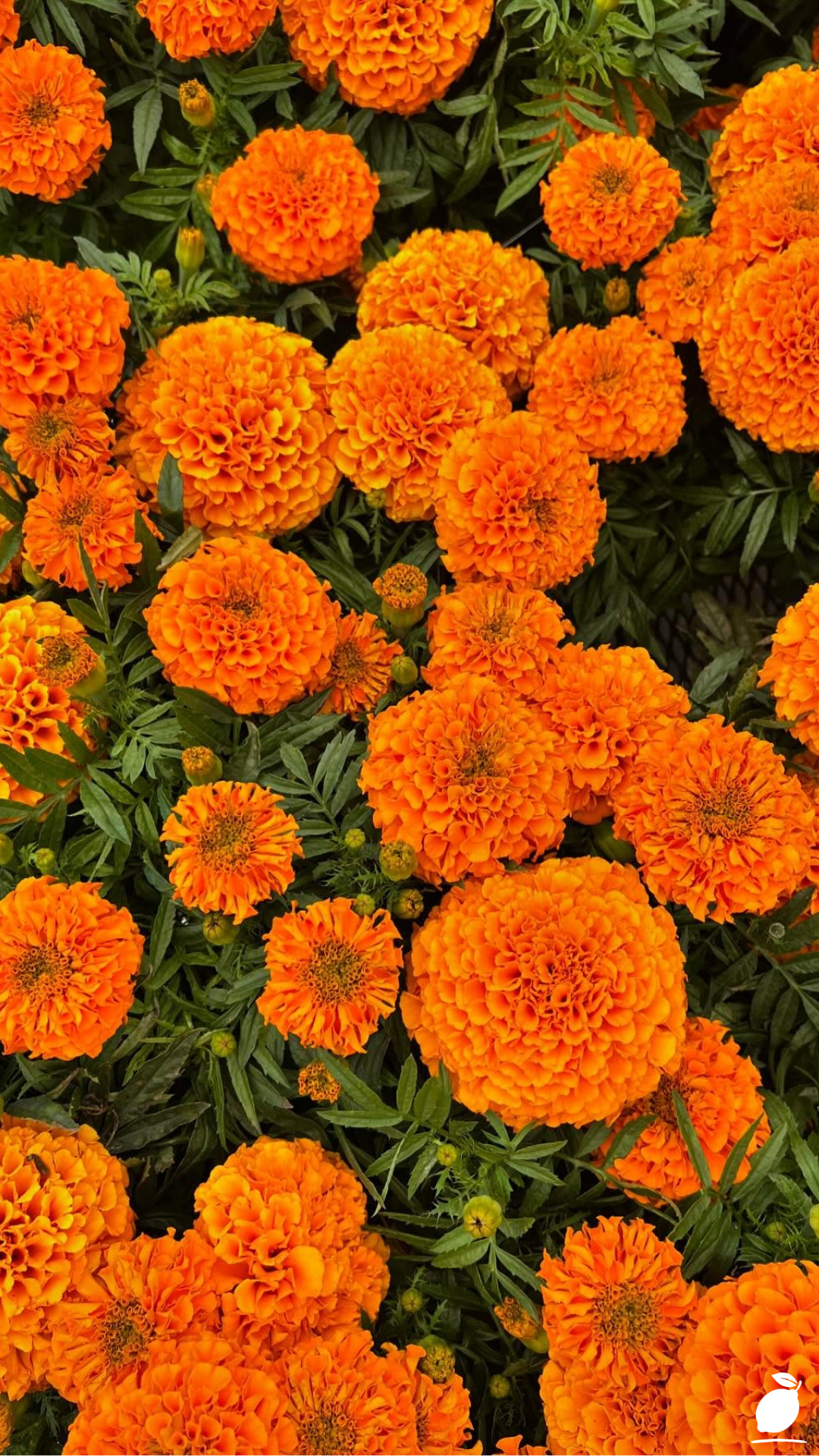
Why it works: Marigolds are the most widely planted and most multi-dimensionally effective pest-fighting plants in the vegetable garden category. Their thiophene compounds produced by the roots and released into the soil are toxic to soil-dwelling nematodes and root pests, providing a subterranean pest deterrence that no above-ground aromatic plant can match. Above the soil, their alpha-terthienyl compounds deter whitefly and aphids from the foliage and reduce the populations of flying pest insects in the immediate plant vicinity. Plant French marigolds (Tagetes patula) densely around the perimeter of vegetable beds and between brassica plants where whitefly pressure is highest. Pot marigolds (Calendula officinalis) provide similar above-ground pest deterrence with the additional benefit of edible flowers.
Rosemary (Salvia rosmarinus) — Deterrent for Cabbage Moths, Bean Beetles, and Carrot Fly
Why it works: Rosemary’s camphor and borneol compounds make it an effective deterrent for the brassica-targeting pest species cabbage moth and cabbage white butterfly, which cause the most damage to kale, broccoli, and Brussels sprouts through the summer season. Planted at the ends of brassica rows or interspersed through the brassica bed, rosemary disrupts the host-location scent trails that these pests follow from plant to plant when establishing egg-laying sites. Rosemary’s deterrent effect on carrot fly, one of the most destructive root vegetable pests, is particularly well-documented: carrot fly navigates to carrot plantings using the carrot’s own aromatic compounds, and rosemary’s camphor masking effect reduces their ability to locate carrot rows reliably.
Chives (Allium schoenoprasum) — Deterrent for Aphids, Spider Mites, and Japanese Beetles
Why it works: Chives belong to the allium family, the group of plants whose sulfurous compounds make garlic, onions, and leeks effective pest deterrents, but they provide their deterrence at a scale and an ornamental quality that makes them the most garden-compatible allium option for a summer pest management planting scheme. Their sulfur volatiles deter aphids and spider mites from adjacent plants in a way that complements the aromatic deterrence of mint and basil, creating a layered pest deterrence system when planted together. Their purple pompom flowers in late spring and early summer are additionally valuable as a beneficial insect attractor that brings hoverflies and lacewings, the primary aphid predators, into the garden before aphid populations peak.
Lemon Balm (Melissa officinalis) — Deterrent for Gnats, Mosquitoes, and Aphids
Why it works: Lemon balm’s citronellal and rosmarinic acid compounds make it one of the most effective mosquito and gnat deterrents in the pest-fighting plant category, more potent, gram for gram, than citronella in some documented comparisons. Planted in containers beside outdoor seating areas or at the patio’s perimeter, lemon balm maintains its mosquito deterrence through the evening hours when mosquito activity peaks. Its mint-family aromatic compounds also deter aphids from adjacent plants, making it a useful companion in vegetable border plantings alongside basil and chives. Crush a few leaves between your fingers when sitting; the released citronellal outdoors provides the highest-concentration pest deterrence of any quick, no-spray intervention available in a herb garden.
Chrysanthemums (Chrysanthemum species) — Deterrent for Ants, Roaches, Beetles, Ticks, and Spider Mites
Why it works: Chrysanthemums are the pest-fighting plant that most people know as a late-season flowering ornamental without realizing that their pyrethrin content the compound extracted from chrysanthemum flowers to make commercial pyrethrin insecticides provides genuine broad-spectrum pest deterrence as a living plant. The pyrethrin volatiles in chrysanthemum flowers deter ants, roaches, Japanese beetles, ticks, and spider mites from the surrounding area, making them one of the most comprehensive natural pest deterrents available as a garden plant. Plant chrysanthemums at the garden’s boundary positions and in any bed where tick presence is a concern; they provide pest deterrence, late-season ornamental color, and the specific professional relevance of being the commercial source of one of horticulture’s most widely used natural pest control compounds.
Expert Secrets for Success
Pro-Tips for a Better Result
Plant pest-fighting plants before the pest pressure arrives, not in response to it. The most common mistake in using pest-fighting plants is deploying them as a response to an existing infestation rather than as a prevention strategy installed before pest populations build. Aromatic pest deterrents work by disrupting the host-location behaviour of pest insects before they establish feeding and egg-laying sites; once a pest population is established on a plant, the deterrent chemistry cannot dislodge them. Install companion plants at the beginning of the season at transplanting time for vegetable crops so that the aromatic deterrent environment is in place before the pest season begins.
Crush leaves regularly to release fresh deterrent compounds. Many pest-fighting plant species are more actively aromatic when their leaves are physically stimulated brushed, crushed, or lightly trimmed which triggers the release of the essential oil compounds stored in the leaf glands. Walk through beds containing mint, basil, and rosemary regularly during the growing season, gently brushing the plants as you pass, to stimulate the release of the pest deterrent volatiles into the surrounding air. This simple habit costs no time and significantly increases the deterrence effectiveness of established pest-fighting plantings.
Combine plants from different aromatic families for broader pest coverage. Mint (menthol), lavender (linalool), basil (eugenol), rosemary (camphor), and chives (sulfur volatiles) each deter pests through different chemical pathways. A garden that includes representatives of all five aromatic families creates a multi-spectrum pest deterrence environment that is more difficult for any single pest species to adapt to than a garden relying on a single compound from a single plant. The combination also ensures that as different plants peak and wane through the season, the overall deterrence level remains high rather than dropping when a single species finishes flowering.
Common Mistakes to Avoid
Don’t remove all “pest” insects without considering the predator ecosystem. A garden with zero pest insects is a garden without the food source that sustains the beneficial insect predators ladybirds, lacewings, hoverflies, and parasitic wasps that provide the long-term pest management the garden depends on. Pest-fighting plants reduce pest pressure to manageable levels; they don’t and shouldn’t eliminate pest species. Accept the presence of low-level pest populations in areas away from primary crops as the ecological foundation that keeps the beneficial insect population active and present.
Don’t plant mint directly in the open ground. Mint’s spreading habit through underground rhizomes that extend rapidly in open soil converts a beneficial pest deterrent into a garden maintenance problem within two growing seasons. All mint plants intended for pest deterrence planting should be grown in containers and positioned at deterrent locations rather than planted directly into beds. The container-grown mint delivers the same pest deterrence without the invasive spreading, and can be moved to respond to changing pest pressure in different areas of the garden through the season.
Don’t rely on a single pest-fighting plant species for whole-garden pest management. A garden protected only by marigolds is a garden unprotected against pests that marigolds don’t deter. A garden with only mint is protected from aphids and flea beetles but not from caterpillars, Japanese beetles, or soil nematodes. Effective pest management through planting requires a minimum of three to four species from different aromatic families planted across the full garden area, not a single species planted heavily in one location.
Why Pest Matters
The pest anxiety of a summer garden is real and cumulative. Every damaged leaf, every pest-colonized stem, every morning survey that reveals overnight feeding damage is a small subtraction from the pleasure and the return on investment that a summer garden is supposed to provide. Over the weeks of a growing season, these subtractions accumulate into a general sense that the garden is losing; despite the effort invested, the pests are winning, and the garden that was a source of restorative outdoor time becomes a source of maintenance anxiety.
Research in horticultural therapy consistently identifies the quality of engagement with a garden, whether it feels productive, rewarding, and under control, as a more significant predictor of the garden’s psychological benefit than the amount of time spent in it. A garden where pest pressure is managed through beautiful, aromatic, companion-planted pest-fighting plants provides a qualitatively different engagement than one managed through chemical intervention: the management is pleasant, the plants are valuable in multiple ways simultaneously, and the overall garden environment feels healthy and alive rather than treated. The difference in how these two garden management approaches feel on a Tuesday morning survey is the difference between a garden that nourishes the person maintaining it and one that drains them.
Easy Peasy Life Matters is built on the conviction that the home and garden should support the people living in them rather than adding to their management burden. Pest-fighting plants are among the most direct expressions of this principle available in the garden: plants that protect other plants, attract beneficial insects, provide culinary herbs and beautiful flowers, and fill the garden with the specific quality of aromatic richness that makes being outside on a summer evening genuinely pleasant. The mosquitoes are still there. They’ve just decided the patio isn’t worth it.
Frequently Asked Questions
Which pest-fighting plant is most effective against mosquitoes?
Lemon balm (Melissa officinalis) and lavender are the most effective pest-fighting plants against mosquitoes among the commonly grown garden species, with lemon balm’s citronellal concentration providing the strongest documented repellent effect. For outdoor seating areas, plant lemon balm in containers positioned at the perimeter of the sitting zone and crush the leaves immediately before sitting to release the citronellal at maximum concentration. Supplement with lavender planted in the adjacent border for sustained ambient deterrence through the evening hours.
Do pest-fighting plants work on aphids?
Yes, several pest-fighting plants have well-documented aphid deterrent effects. Mint, basil, chives, and marigolds all produce compounds that interfere with aphid host-location chemistry, reducing the rate at which aphids colonize adjacent vulnerable plants. The most effective approach for aphid management is planting basil between tomato plants (the combination is among the most documented in companion planting research) and mint in containers beside rose beds, where aphid pressure is typically highest. Note that these plants deter rather than eliminate aphid colonies; existing infestations require direct intervention alongside the planting strategy.
How many pest-fighting plants do I need for a vegetable garden?
For a standard four-bed vegetable garden (approximately 16 square metres total growing area), a minimum of twelve to fifteen pest-fighting plants distributed across all four beds provides functional deterrence coverage. A practical allocation: marigolds planted at four-per-bed perimeter positions (sixteen plants total), one basil plant per two tomato or pepper plants, mint containers at each bed corner, and chives planted at the ends of any allium-free bed. This quantity ensures that no vegetable plant is more than 60cm from a pest-fighting plant companion, the distance within which the aromatic deterrence effect is most consistently documented.
Can pest-fighting plants replace pesticides entirely?
In most kitchen garden contexts, a well-implemented companion planting strategy using pest-fighting plants reduces pest pressure sufficiently to make pesticide application unnecessary for the majority of the growing season. The effectiveness depends on the pest-fighting plant density, the pest species present in the local environment, and the garden’s existing beneficial insect population. Some pest pressure, particularly in years with unusual weather conditions that favor specific pest species, may still require targeted intervention. Organic pest controls (insecticidal soap, copper barriers for slugs, physical barriers) are compatible with pest-fighting plant strategies and do not compromise the beneficial insect ecology that companion planting helps to establish.