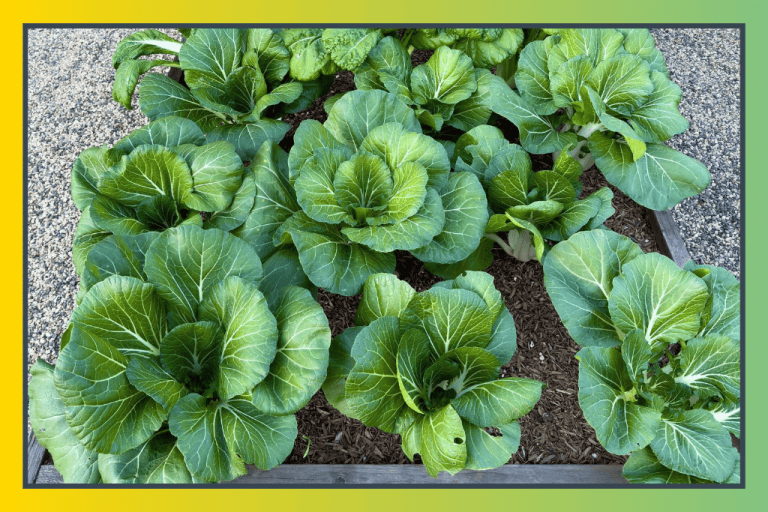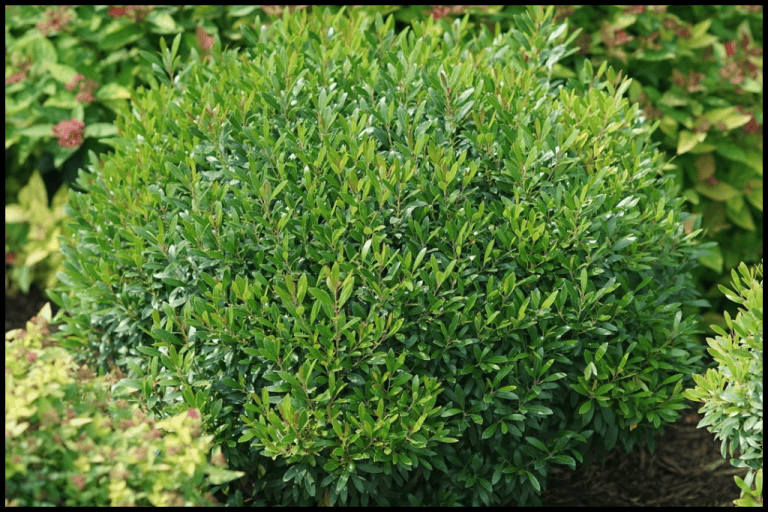
It started so promisingly. You watched a handful of YouTube videos, ordered a starter kit, and balanced that first cutting in a glass of water on your windowsill with quiet pride. For a week, everything looked beautiful: lush green leaves, clean water, the satisfying simplicity of a plant growing with no soil, no mess, no mystery.
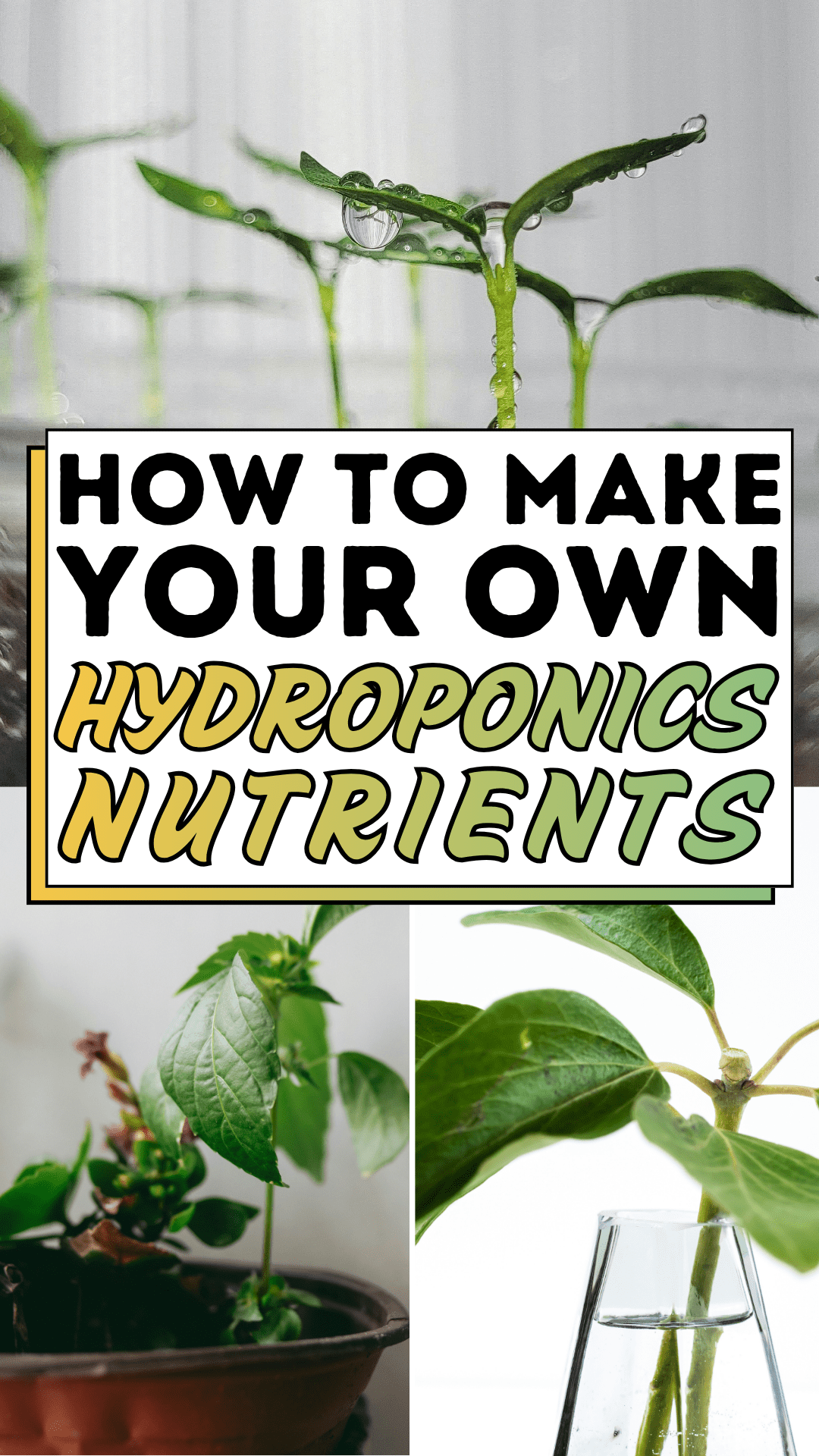
Then the leaves started yellowing at the edges. Then one stem went limp. Then the water turned a concerning shade of murky green, and you weren’t sure if you were growing vegetables or a science experiment gone wrong. You dumped the whole thing, told yourself hydroponic “just wasn’t for you,” and went back to dirt. Sound familiar? You are not alone, and you didn’t fail. You just didn’t know about hydroponic nutrients yet.
Here is the truth that most beginner guides skip over entirely: water alone cannot sustain a plant. In soil, a complex underground ecosystem of microbes, minerals, and organic matter delivers everything a plant needs to thrive. When you remove that soil, which is the whole point of hydroponics, you become responsible for replacing every single one of those inputs yourself. That’s where hydroponic nutrients come in.
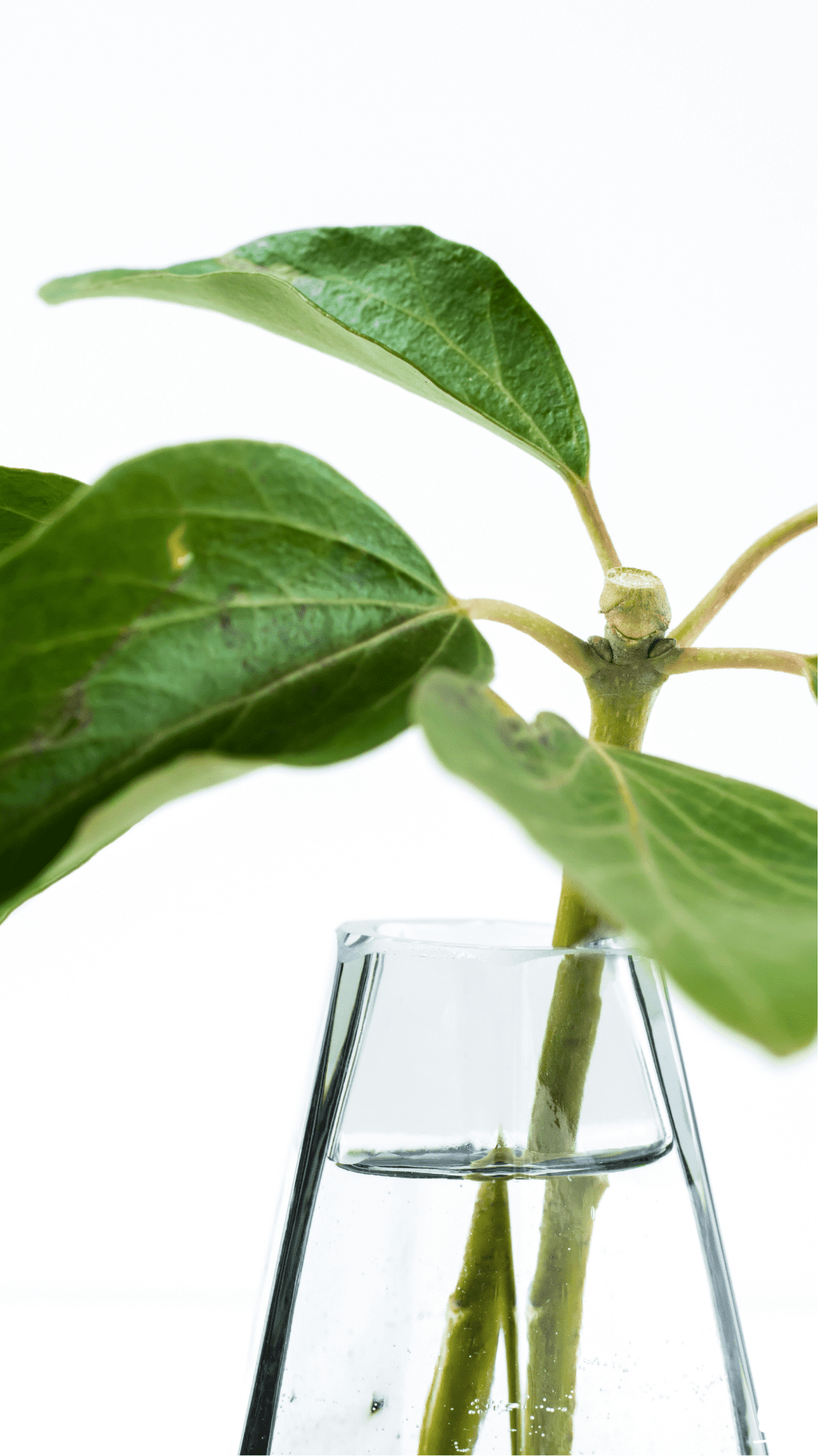
They are not optional add-ons or advanced techniques for serious growers. They are the foundation. That image of a glossy, deep-green cutting sitting confidently in a clear beaker of water? That plant isn’t surviving on water and hope. It’s receiving a carefully balanced nutrient solution that gives it precisely what it needs, in exactly the right ratios, at the right time.
The good news is that once you understand hydroponic nutrients, what they are, which ones matter, and how to use them, everything about growing in water becomes dramatically simpler. The guesswork disappears. The yellowing leaves make sense. The failed cuttings stop feeling like personal defeats and start feeling like data points you now know how to fix. This guide is your complete, plain-English resource for understanding and using hydroponic nutrients so that the next cutting you put in a glass of water actually thrives.
The Hydroponic Nutrient Guide
The Big Three: Nitrogen, Phosphorus, and Potassium (N-P-K)
Every bottle of hydroponic nutrient solution you pick up will show three numbers on the label, something like 3-1-2 or 5-1-4. These are the N-P-K ratios, representing the relative concentrations of nitrogen, phosphorus, and potassium in the formula. Understanding what each one does is the single most important piece of knowledge in hydroponic nutrient education.
Nitrogen (N) is the growth engine. It drives leafy, green, vegetative growth, the lush, glossy leaves and strong stems you want in the early stages of a plant’s life. Nitrogen deficiency is the most common beginner problem, and it shows up fast: yellowing that starts at the lower, older leaves and works its way up the plant is almost always a nitrogen signal.
Phosphorus (P) is the root and flower builder. In the early stages of a cutting or seedling, phosphorus supports the development of a strong root system. Later in the plant’s life cycle, it drives flowering and fruiting. A phosphorus-rich nutrient solution is especially important when you’re propagating cuttings; those roots need to establish quickly, and phosphorus is what makes that happen.
Potassium (K) is the regulator. It governs water uptake, enzyme activation, and the overall structural integrity of the plant. Potassium keeps your plant resilient, able to handle temperature fluctuations, resist disease, and transport sugars efficiently from leaves to roots and back. Low potassium shows up as brown, scorched-looking leaf edges, often starting at the tips.
Why it works: The N-P-K trio mirrors what plants extract from healthy soil. In hydroponics, you’re not guessing you’re delivering these essentials in precise, measurable doses directly to the root zone, which is why hydroponic plants often outgrow their soil-based counterparts.
Calcium and Magnesium: The Essential Secondary Nutrients
After N-P-K, calcium and magnesium are the most important elements in your hydroponic nutrient lineup, so important that most experienced growers supplement them separately, even when using a complete nutrient formula. They’re often sold together as “Cal-Mag” solutions.
Calcium is critical for cell wall strength and structure. Without adequate calcium, new growth becomes twisted, distorted, or fails to develop properly. You’ll see it in curled or cupped new leaves, dark edges, and stunted growing tips, a condition called tip burn that’s common in fast-growing leafy greens like lettuce and basil.
Magnesium sits at the center of every chlorophyll molecule, making it directly responsible for the deep green color and photosynthetic capacity of your plant. Magnesium deficiency shows up as interveinal chlorosis, yellowing between the leaf veins while the veins themselves stay green, typically appearing on mid-aged leaves first.
Why it works: Many base nutrient solutions contain calcium and magnesium, but high-frequency feeding, soft water sources, and fast-growing plants can deplete these secondary nutrients faster than the base formula replenishes them. A dedicated Cal-Mag supplement gives you a safety net that keeps your plants structurally sound and vibrantly green throughout the growing cycle.
Micronutrients: The Trace Elements That Complete the Picture
Nitrogen, phosphorus, potassium, calcium, and magnesium get all the attention — but iron, manganese, zinc, copper, boron, and molybdenum are the quiet workhorses that make everything else function. These micronutrients are needed in tiny quantities, but their absence creates surprisingly dramatic deficiencies.
Iron is the most commonly deficient micronutrient in hydroponic systems. It’s responsible for chlorophyll synthesis and shows its absence quickly: young leaves turn yellow while the veins stay green (similar to magnesium deficiency, but appearing on new growth rather than mid-aged leaves). Iron availability is closely tied to pH, which is why pH management and micronutrient availability are inseparable topics.
Zinc and Manganese support enzyme function and photosynthesis. Their deficiencies are less dramatic but result in slow, stunted growth, reduced yields, and plants that look generally unhealthy without any obvious single cause.
Why it works: Most quality complete nutrient solutions include a micronutrient package in their formula. The key is using a nutrient solution specifically designed for hydroponics, not a general-purpose garden fertilizer, because hydroponic formulas are chelated (chemically bonded in a form) to remain available at the pH ranges typical in water-based systems.
pH: The Hidden Factor That Controls Everything
Understanding hydroponic nutrients is impossible without understanding pH, because pH determines whether your plant can actually access the nutrients you’re providing. Even a perfectly balanced nutrient solution becomes useless if the pH of your water is outside the optimal range. For most hydroponic systems and plants, the target pH is between 5.5 and 6.5, with 6.0 being a reliable sweet spot.
When pH drifts too high (alkaline), iron, manganese, and zinc become chemically locked out and unavailable to the plant, even though they’re physically present in the water. When pH drops too low (acidic), calcium and magnesium become difficult to absorb. A plant can show every symptom of nutrient deficiency while swimming in a perfectly formulated solution, simply because the pH is off by half a point.
Why it works: A digital pH meter and a simple two-part pH Up/pH Down kit cost very little and solve one of the most frustrating and misunderstood problems in beginner hydroponics. Check your reservoir pH every two to three days, adjust as needed, and watch a significant percentage of your nutrient problems disappear entirely.
EC and PPM: Measuring Nutrient Strength
Once you understand what hydroponic nutrients are, the next step is understanding how much to use. Electrical Conductivity (EC) and Parts Per Million (PPM) are the two measurements used to gauge the concentration of dissolved nutrients in your water, essentially, how “strong” or “weak” your nutrient solution is.
Seedlings and cuttings need a low EC (around 0.8–1.2) because their undeveloped root systems can’t handle high concentrations. As plants mature into vegetative growth, EC can rise to 1.5–2.5. Fruiting and flowering plants often benefit from solutions up to 3.0 EC. Too high, and the nutrient solution actually draws water out of the plant through osmosis, a condition called nutrient burn, visible as brown, crispy leaf tips.
Why it works: A basic EC/PPM pen is an inexpensive, indispensable tool that removes the guesswork from nutrient dosing entirely. Instead of following bottle instructions blindly (which are often written for larger, established systems), you measure your actual solution strength and adjust to meet your plant’s current life stage, giving every cutting and seedling exactly what it needs, nothing more.
Expert Secrets for Success
Pro-Tips for Better Results
Always start at half-strength. Nutrient solution bottles are written for mature, established plants in full production. When working with cuttings, seedlings, or young plants in smaller vessels, start at 50% of the recommended dose and increase gradually. This prevents nutrient burn and gives roots time to develop before they’re asked to handle full-strength solutions.
Change your reservoir water weekly. Nutrients don’t just get absorbed; they also break down, become imbalanced, and can accumulate salts over time. A fresh reservoir with a newly mixed, correctly pH-adjusted solution once a week keeps your nutrient ratios accurate and prevents the slow buildup of unused mineral salts that clog root systems.
Use RO or filtered water when possible. Tap water contains chlorine, chloramines, and dissolved minerals that interfere with nutrient ratios and pH stability. Filtered or reverse osmosis water gives you a clean, neutral starting point that makes nutrient mixing dramatically more predictable.
Feed according to the plant’s stage, not the calendar. A plant showing lush vegetative growth needs a nitrogen-forward formula. A plant beginning to flower needs a phosphorus-rich bloom formula. Following the plant’s actual signals rather than a rigid schedule produces far better results.
Keep a simple grow journal. Note the date, EC, pH, nutrient formula used, and any plant observations every time you tend your system. Patterns emerge quickly, and when something goes wrong, you have the data to diagnose it accurately instead of guessing.
Common Mistakes to Avoid
Using regular garden fertilizer in hydroponic systems. Soil fertilizers are formulated for slow release into a microbial ecosystem, not for direct water delivery. They lack the chelation necessary for hydroponic uptake, often contain the wrong nutrient ratios, and can cause rapid salt buildup. Always use nutrients specifically formulated for hydroponics.
Ignoring pH entirely. This is by far the most common reason beginner hydroponic systems fail. Nutrient deficiency symptoms that don’t respond to additional nutrients are almost always a pH problem in disguise. Buy a pH pen before you buy anything else.
Mixing nutrients directly together before diluting. Some nutrients react chemically when combined in concentrated form. Always add each nutrient separately to your water, stir between additions, and never mix concentrates directly together. This prevents precipitation (solid chunks forming in your solution) and ensures even distribution.
Overfeeding because the plant “looks pale.” Pale or yellowing leaves are not always a sign of nutrient deficiency; they can also indicate overwatering, root rot, or pH lockout. Adding more nutrients to an already stressed or oversaturated system accelerates damage rather than reversing it. Diagnose before you dose.
Neglecting oxygen in the root zone. Nutrients cannot be absorbed efficiently by roots sitting in stagnant, oxygen-depleted water. A simple aquarium air pump and airstone in your reservoir keeps the solution oxygenated, prevent anaerobic bacteria from taking hold, and dramatically improves nutrient uptake, especially in warm conditions where oxygen naturally depletes faster.
Why Hydroponics Nutrients Matter
There’s a particular kind of satisfaction that comes from understanding something that previously felt impossibly complicated. Hydroponics, for many people, starts as a beautiful idea, clean, modern, soil-free growing, and quickly becomes a source of frustration, failure, and self-doubt. Every yellowed leaf feels like evidence that you’re not cut out for this. Every failed cutting is another small discouragement. And in a season of life where most of us are already carrying enough complexity, a hobby that adds confusion rather than calm tends to quietly get abandoned. Learning hydroponics nutrients properly is how you flip that experience entirely.
When you understand what your plants actually need, and you know how to provide it, something shifts. The windowsill beaker of cuttings stops being a gamble and starts being a practice one you can control, adjust, and improve. That sense of competence, of being someone who knows how to tend a living thing and make it thrive, is not a small thing.
Research consistently shows that caring for plants reduces cortisol levels, lowers blood pressure, and gives the mind a restorative focus that screens and schedules simply cannot replicate. A thriving hydroponic setup, even a modest one, becomes a daily anchor, five minutes of tending, adjusting, observing that grounds you in the present in ways that are genuinely good for mental health.
For families, a working hydroponic system is a living science lesson and a shared curiosity. Children who watch cuttings root in clear water, who measure pH with a little pen, who see nutrients dissolve and plants respond, are learning cause and effect, patience, and the satisfaction of caring for something. For adults, it’s a reminder that mastery is always available, that with the right knowledge, the things that once felt beyond reach become approachable, manageable, and quietly joyful. That is what hydroponic nutrients give you. Not just healthier plants. A healthier relationship with what it means to grow something.
Frequently Asked Questions
What are the best hydroponics nutrients for beginners?
For beginners, a complete two-part or three-part liquid nutrient system designed specifically for hydroponics is the most reliable starting point. Look for brands that include N-P-K, calcium, magnesium, and micronutrients in their base formula. Popular beginner-friendly options include General Hydroponics Flora Series, Advanced Nutrients pH Perfect, and MaxiGro/MaxiBloom powder formulas. Start at half the recommended dose and increase as your plants establish.
How often should I add nutrients to my hydroponic system?
In small systems like individual beakers or mason jars, change the entire water-and-nutrient solution every 7 days. In larger reservoir systems, top up with plain pH-adjusted water between changes (plants absorb water faster than nutrients), and do a full reservoir change every 1–2 weeks. Always check pH and EC after topping up, as ratios shift when you add water.
Can I use organic nutrients in hydroponics?
Yes, but with important caveats. Organic nutrients in water-based systems can cloud the solution, promote bacterial growth, and clog root systems faster than synthetic chelated nutrients. If you prefer organic growing, look for hydroponic-specific organic formulas (such as General Hydroponics BioThrive) and include an airstone to keep the solution oxygenated and reduce anaerobic bacterial buildup.
What’s the difference between one-part and two-part or three-part nutrient solutions?
One-part solutions mix everything into a single bottle, convenient, but less flexible. Two-part and three-part systems separate nutrients that would react if stored together (typically a “Grow” formula for vegetative stages and a “Bloom” formula for flowering), allowing you to adjust ratios for different growth stages. For beginners, a one-part or two-part system is perfectly adequate. Advanced growers often prefer three-part systems for the control they offer.
Why are my hydroponic plant leaves turning yellow even though I’m adding nutrients?
Yellowing despite nutrient feeding is almost always a pH problem. Check your reservoir pH first; if it’s outside the 5.5–6.5 range, nutrients are being locked out regardless of their presence in the solution. Other possible causes include root rot (slimy, brown roots in stagnant water), overfeeding (nutrient burn), or a calcium and magnesium deficiency that your base formula isn’t adequately covering. A Cal-Mag supplement and a pH adjustment often resolve the majority of yellowing issues simultaneously.
Do I need a special nutrient formula for different types of plants?
Generally, a quality all-purpose hydroponic nutrient formula will support most leafy greens, herbs, and houseplant cuttings successfully. Where formulas diverge is in the flowering and fruiting stages: tomatoes, peppers, and strawberries benefit from a higher-phosphorus bloom formula once they begin setting fruit. For purely vegetative plants, lettuce, basil, spinach, pothos, a nitrogen-forward grow formula used throughout the entire cycle will serve you well.