For a while, Saturday mornings would be filled with quiet dread for Sarah. Cradled in her favorite leather armchair with coffee in hand, she would stare blankly at her huge, ugly rock fireplace that took up the entire back wall of her living room. The heaviness of the dark brown and the jagged gray stone made the room severely cramped, dimly lit, and stuck in an era Sarah hadn’t chosen. She tried painting with bold pops of colour and created new furniture arrangements, but the rock-painted fireplace constantly made the room dark and soulless.

The biggest frustration was not only how ugly the fireplace was, but also because it was overwhelming to even think about trying to remodel/remake it! After doing much research on hiring a professional to renovate/remake the fireplace, Sarah found that most quotes were more than she would pay for a new car. And all of the work involved, dust, demo, weeks of construction, was too big a hassle for Sarah with a busy family. The fireplace should be the heart of their home, and where the family could enjoy evenings together, but instead, the fireplace was a constant reminder that she didn’t feel fully comfortable in her own home.
The Painted Fireplace Blueprint
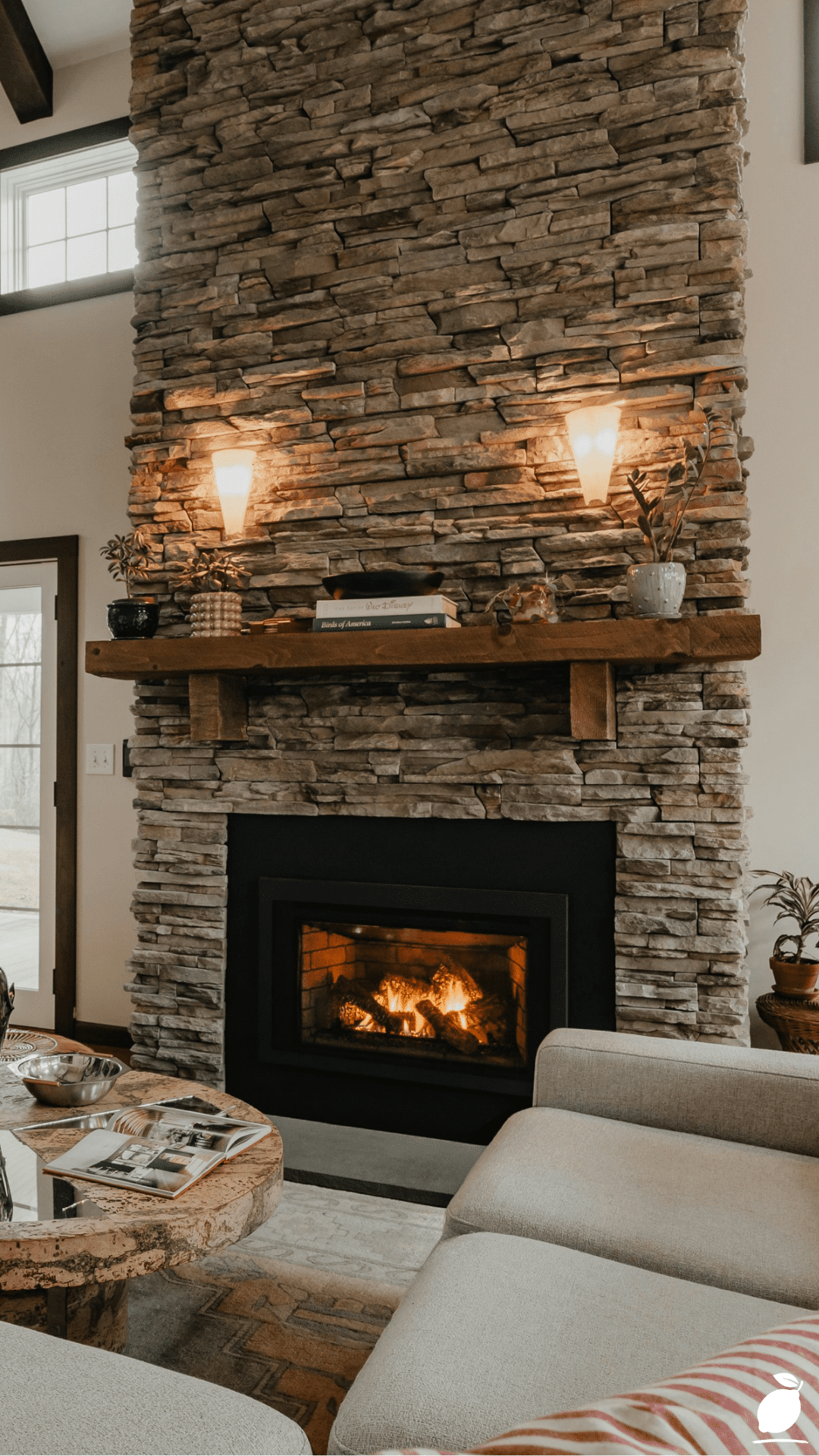
Transforming a stone fireplace requires a methodical approach to ensure the paint bonds correctly with the porous surface and withstands heat over time. Follow this sequence for a professional finish.
Step 1: Deep Cleaning and Preparation
The most critical step in achieving a high-quality painted fireplace is removing decades of soot, dust, and oils. Use a stiff wire brush to scrub the entire surface, followed by a vacuum with a brush attachment to suck out debris from the deep crevices. For stubborn soot stains, wash the stone with a solution of TSP (trisodium phosphate) and water. Let the stone dry completely for at least 24 to 48 hours before proceeding.
Step 2: Masking and Protection
Protect your surrounding environment before starting your painted fireplace project. Use high-quality painter’s tape to seal off the edges where the stone meets the walls and the mantel. Lay down heavy-duty drop cloths or building paper to cover the flooring and any nearby furniture. If your fireplace is functional, ensure the interior firebox is masked off or protected if you are not painting the inside with high-heat paint.
Step 3: Priming the Porous Surface
Stone is incredibly thirsty. To ensure your painted fireplace lasts, you must use a high-quality, stain-blocking bonding primer designed for masonry. This prevents “bleed-through” from old soot and ensures the topcoat adheres. Use a thick-nap roller (3/4 inch or higher) for the flat areas and a heavy-duty masonry brush to work the primer into the deep “nooks and crannies” of the stone and mortar joints.
Step 4: Applying the Base Coat
Once the primer is dry, apply your specialized masonry paint. For a solid, modern painted fireplace look, apply two coats of latex or acrylic masonry paint. If you prefer a “whitewash” or “limewash” look, dilute your paint with water and apply it in thin layers, wiping away excess with a rag until you achieve the desired transparency.
Step 5: Detail Work and Curing
After the main coats are dry, inspect the painted fireplace for any missed spots in the deep textures. Use a small artist’s brush to touch up those gaps. Allow the paint to cure fully, usually for several days, before placing decorative items like watering cans or candlesticks back on the mantel. Do not light a fire until the paint has completely off-gassed and hardened according to the manufacturer’s instructions.
Expert Secrets for Success
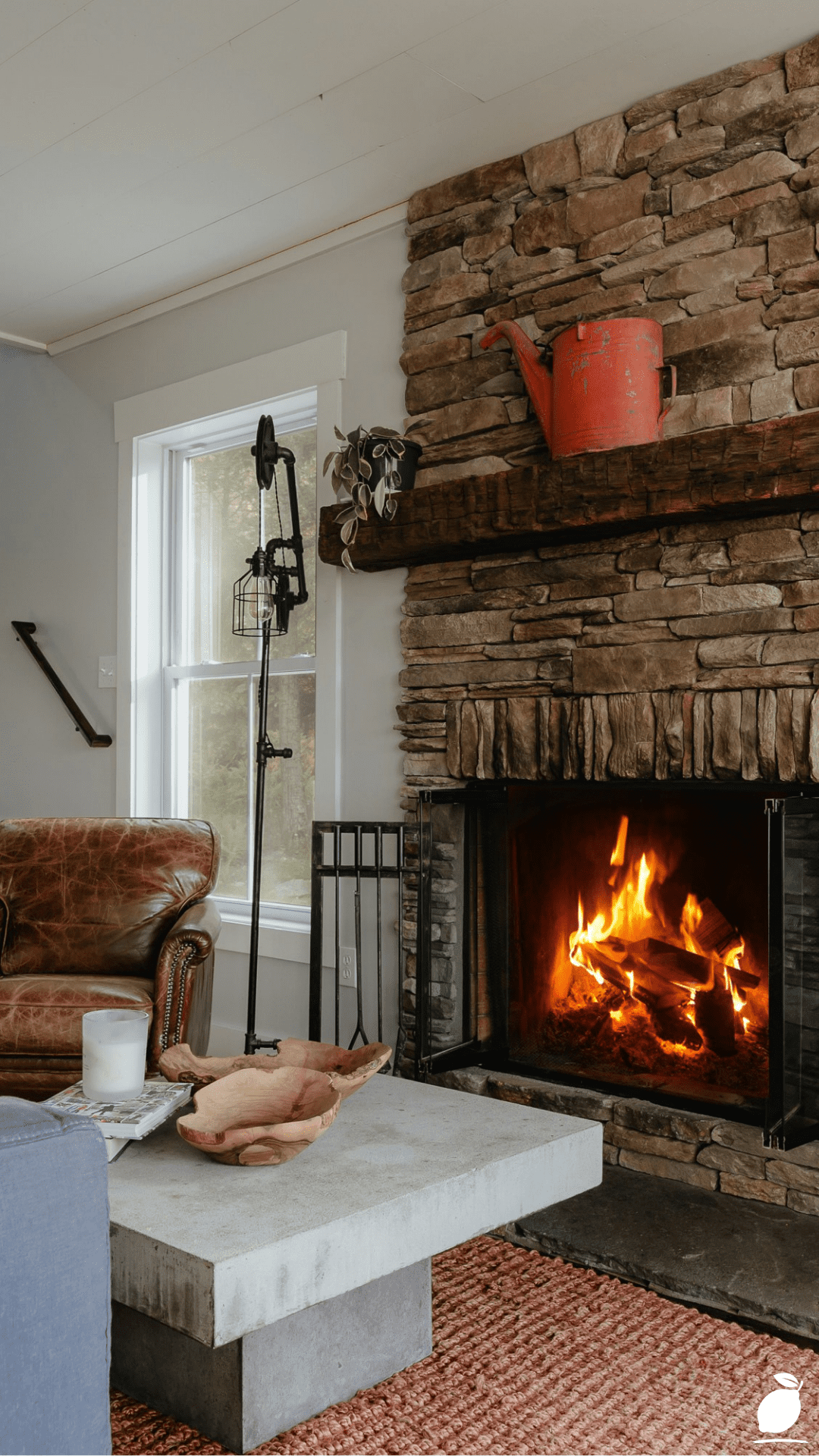
Navigating a DIY project of this scale is easier when you know the shortcuts used by the pros and the pitfalls that trap beginners.
Pro-Tips for a Better Result
- Choose the Right Sheen: Opt for a flat or eggshell finish for your painted fireplace. High-gloss paint on stone can look plastic and highlight every imperfection in the masonry.
- Temperature Matters: Ensure the room is between 50 and 80 degrees Fahrenheit. If it is too cold or too humid, the paint won’t cure properly, leading to peeling later.
- Use the Dab Technique: Instead of long brush strokes, use a “stippling” or dabbing motion with your brush to force paint into the deep pits of the stone for a more uniform look.
Common Mistakes to Avoid
- Skipping the Primer: Stone is alkaline and porous; skipping primer on a painted fireplace will almost certainly result in the paint flaking off within a year.
- Painting a Dirty Surface: If soot remains under the paint, it will eventually rise to the surface as yellow or black stains, ruining your hard work.
- Rushing the Dry Time: Stone holds moisture. If you start your painted fireplace while the stone is even slightly damp from cleaning, you trap that moisture inside, which causes bubbling.
Why Painted Fireplace Matters
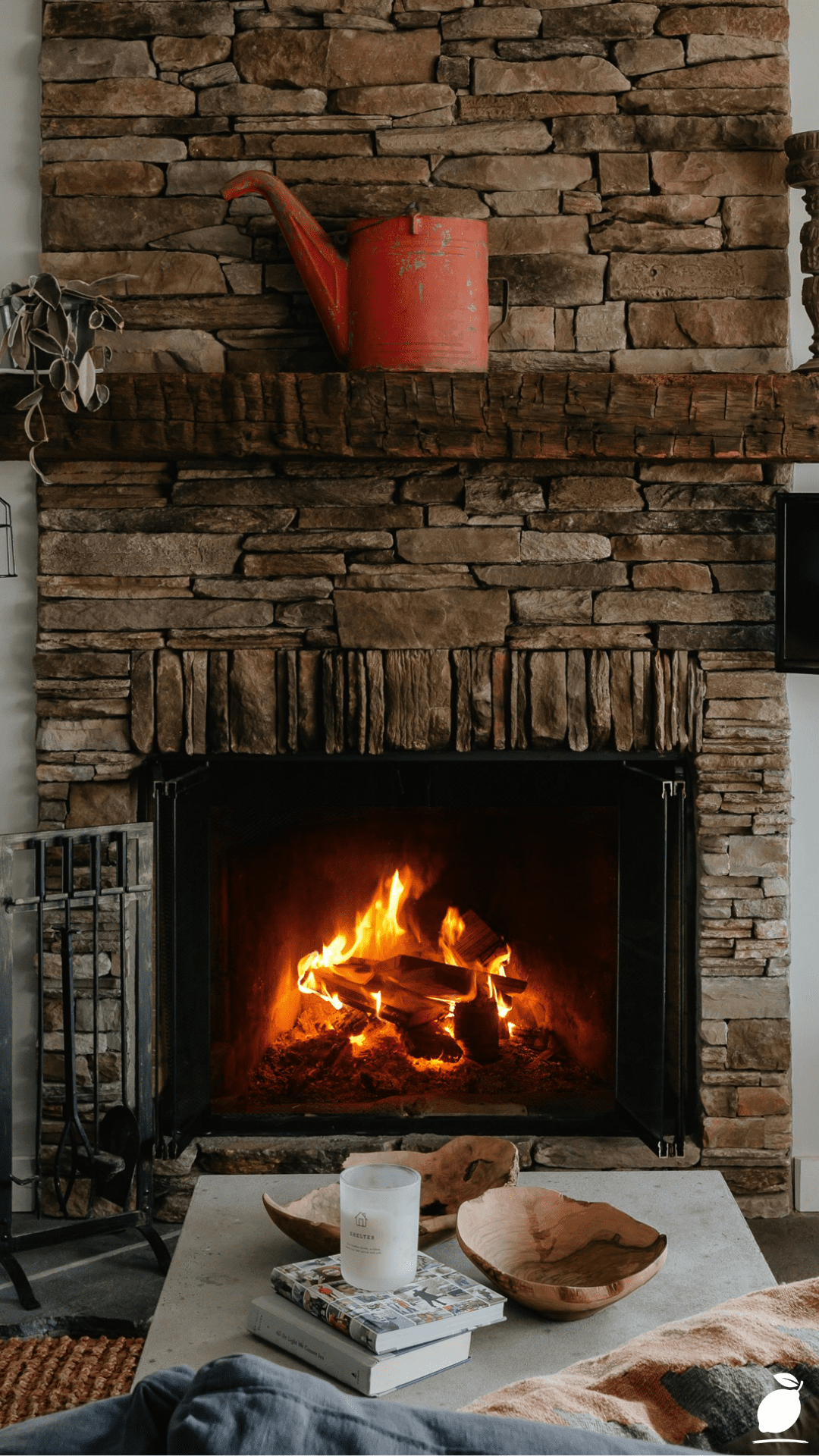
A home is more than a collection of walls; it is the backdrop of your life. When a major element like a fireplace feels “wrong,” it creates a subtle, constant friction in your mental space. Home maintenance isn’t just about property value; it’s an act of self-care. By taking control of your environment and completing a project like a painted fireplace, you are practicing intentionality.
The calm that comes from a cohesive, bright living room ripples out into the rest of your life. It creates a sanctuary where the family can gather without the visual “noise” of a dated interior. Success in creating a painted fireplace builds the confidence to tackle other challenges, transforming your home into a place of clarity and pride rather than a list of unfinished chores.
FAQ
Can I use regular wall paint for a painted fireplace?
While you can use high-quality latex wall paint for the exterior facade, it is highly recommended to use a dedicated masonry paint or a “breathable” mineral paint. These are formulated to handle the porous nature of stone and the temperature fluctuations of a fireplace.
How do I clean a painted fireplace?
Once fully cured, a painted fireplace is easy to maintain. Simply use a soft brush attachment on your vacuum for dusting, or wipe it down with a damp (not soaking) microfiber cloth and a drop of mild dish soap for any spills.
Will a painted fireplace ruin the value of my home?
On the contrary, in the current real estate market, a dated or “ugly” stone fireplace is often a deterrent. A professional-looking painted fireplace in a neutral tone like white, cream, or charcoal can significantly modernize a room and increase the perceived value and “move-in readiness” of the home.
Do I need special paint for the inside of the fireplace?
Yes. If you plan to include the firebox in your painted fireplace makeover, you must use a specialized “high-heat” or “black stove” paint. Standard masonry paint will catch fire or peel off immediately when exposed to direct flames.