The Saturday morning sun usually hits the kitchen floor just in time to highlight the layer of dust we promised to tackle last weekend. Between the mountain of laundry that seems to grow back the moment it’s folded and the digital hum of a never-ending inbox, the “messy” reality of modern life often feels like a puzzle with missing pieces. We crave a space where things make sense, a raised bed garden, where we can step away from the clutter and engage with something tactile, grounding, and entirely under our control.
I remember a time when my own attempts at “getting organized” only added to the noise. I had mismatched pots leaking soil onto the porch and half-dead herbs struggling in plastic containers that looked more like clutter than a garden. It wasn’t until I stood in the middle of my backyard, overwhelmed by the chaos of a disorganized life, that I realized I didn’t need more “stuff”; I needed a system. I needed a boundary between the wild unpredictability of the world and the intentional peace I wanted for my family.
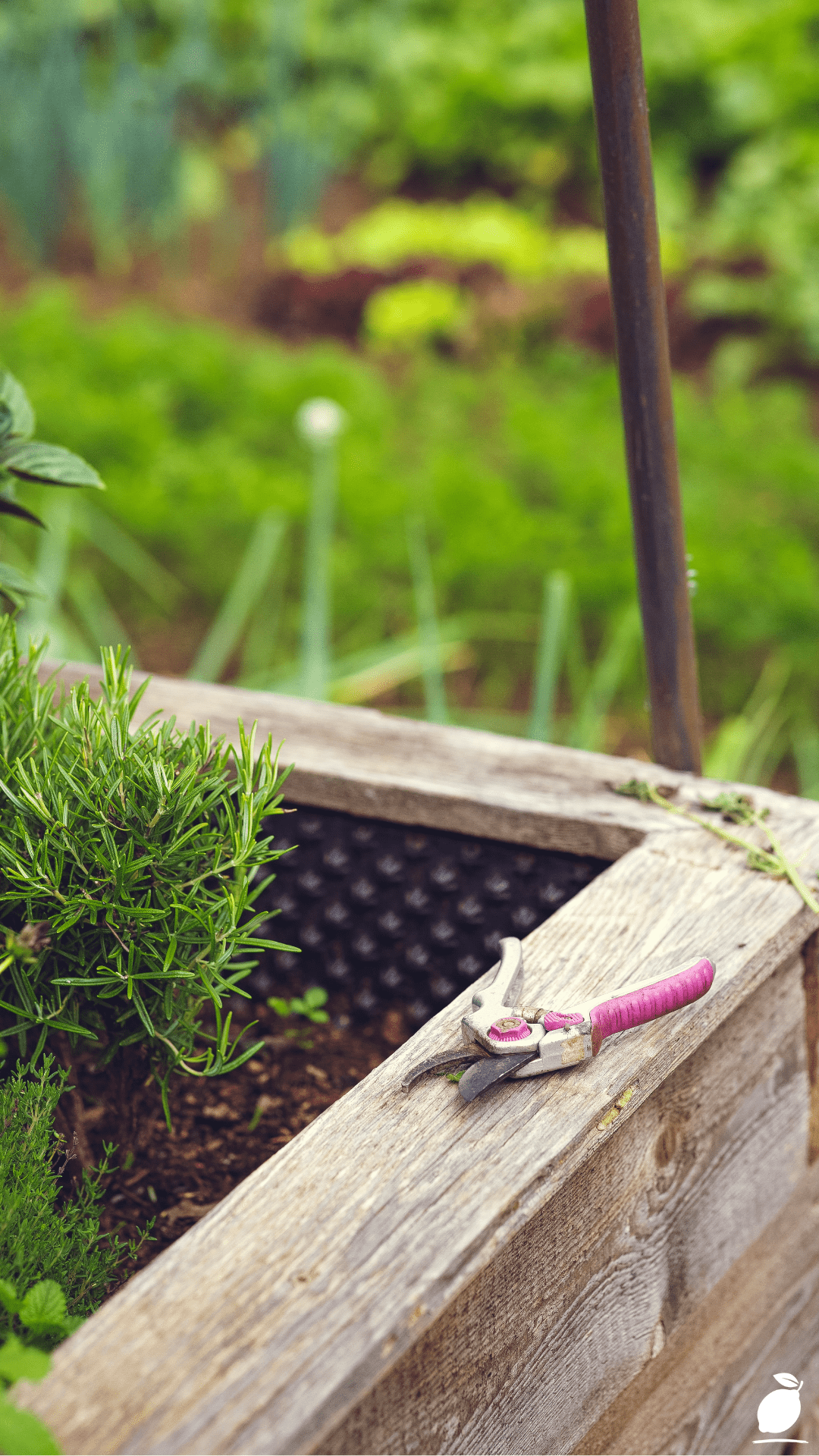
The solution was found in the sturdy, weathered gray planks of a well-crafted planter. Imagine stepping out onto your patio to find a small rosemary plant, its silvery-green needles standing sharp against the dark, rich soil, perfectly contained within a wooden frame. Beside it, a pair of purple-handled pruners rests on the edge, ready for a moment of quiet, purposeful maintenance. This isn’t just a gardening project; it’s a visual reset. By mastering the raised bed garden, you create a sanctuary where the “mess” is replaced by a shallow depth of field that puts your peace in sharp focus.
The Raised Bed Garden Blueprint
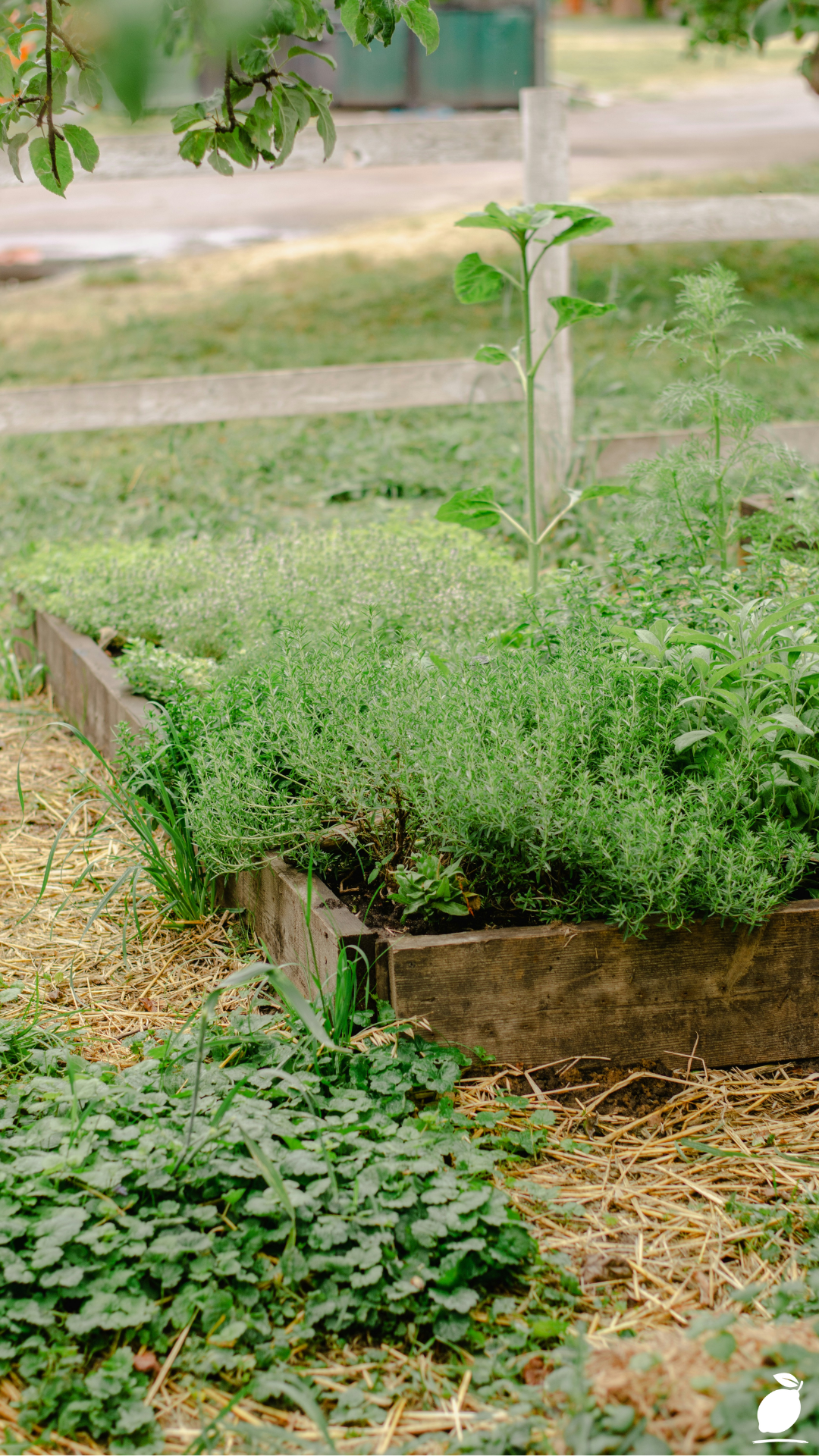
Building a successful elevated growing space is about more than just four walls and some dirt. To achieve that high-end, lifestyle-brand look while ensuring plant health, follow this strategic sequence.
Step 1: Material Selection and Sourcing
The longevity of your garden starts with the wood. While cedar and redwood are the gold standards for their natural rot resistance, many modern DIYers are opting for weathered or reclaimed planks to achieve that “lived-in” minimalist aesthetic. Ensure the wood is untreated to keep your soil organic. If using repurposed materials, check for a “heat-treated” stamp rather than chemical treatments.
Step 2: Site Preparation and Sun Mapping
Before the first screw is driven, map your yard’s light. A raised bed garden requires 6 to 8 hours of direct sunlight for most herbs and vegetables. Clear the area of weeds and consider laying down a layer of hardware cloth or gopher wire at the base to prevent burrowing pests from infiltrating your dark, nutrient-rich soil.
Step 3: Construction and Corner Reinforcement
Stability is key. Use 4×4 posts in each corner to anchor your side planks. This prevents the weight of the wet soil from bowing the wood outward over time. Use galvanized or stainless steel screws to prevent rust streaks from marring the weathered gray finish of your boards.
Step 4: Soil Composition and “Lasagna” Layering
Don’t just fill your bed with topsoil. For a truly professional result, use a mix of 50% high-quality compost, 25% peat moss or coconut coir, and 25% vermiculite or perlite. This creates a fluffy, well-draining environment that allows rosemary and other herbs to develop deep, healthy root systems.
Step 5: Planting and Mulching
Place your plants based on their mature size to avoid overcrowding. After planting your rosemary or seedlings, add a thin layer of organic mulch. This regulates soil temperature and keeps the dark soil looking clean and “styled” against the weathered gray wood of the planter box.
Expert Secrets for Success
Pro-Tips for a Better Result
- Vertical Integration: Attach a simple trellis to the north side of your raised bed garden. This allows you to grow climbing plants like peas or jasmine without shading out your low-growing herbs.
- The Finger Test: Before watering, stick your finger two inches into the soil. Raised beds drain faster than traditional gardens; if it’s dry at that depth, it’s time to water.
- Ergonomic Edges: Build your top rail wide enough to sit on. This turns your garden into a place of rest where you can sit with your pruners and a cup of tea, making maintenance feel like a reward rather than a chore.
Common Mistakes to Avoid
- Using Inferior Soil: Filling a bed with cheap “fill dirt” is the fastest way to fail. Compacted soil prevents oxygen from reaching the roots, leading to stunted growth.
- Poor Drainage: If your bed is sitting on a hard surface like concrete, ensure you have drilled drainage holes. Without them, your plants will effectively be sitting in a bathtub.
- Ignoring the Walkways: Forget to plan for the space around the beds. Ensure your paths are wide enough for a wheelbarrow or a lawn chair so you don’t feel cramped in your own sanctuary.
Why a Raised Bed Garden Matters
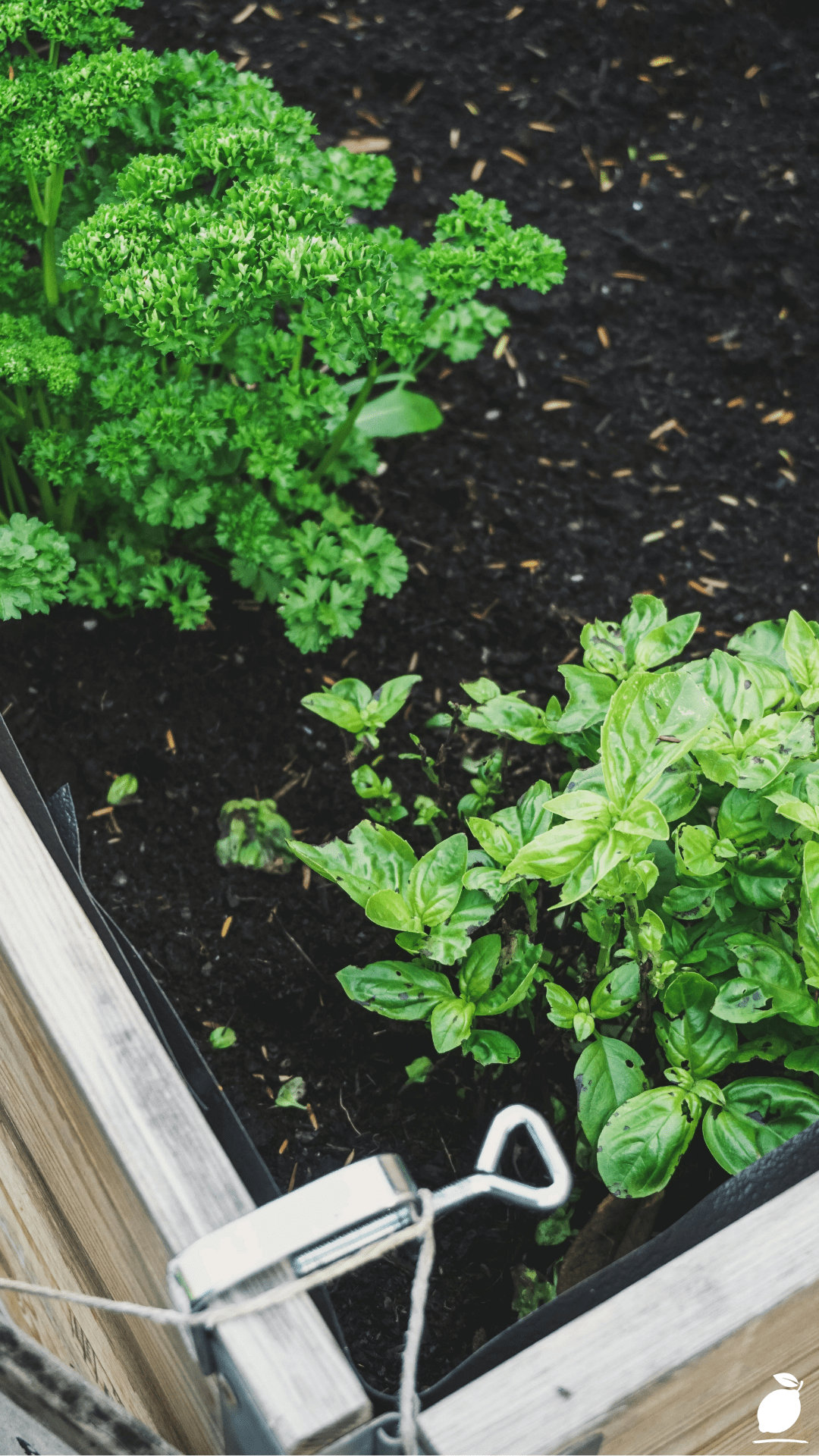
In the world of Easy Peasy Life Matters, we believe that home maintenance is an act of self-care. When you successfully manage a raised bed garden, you are doing more than just growing rosemary; you are practicing the art of containment. You are taking a piece of the world and saying, “Here, things will be orderly. Here, things will thrive.”
This sense of DIY success provides profound mental clarity. As you prune your herbs and feel the sun on your back, the “messy” struggles of the workweek begin to fade. It fosters a deep sense of family peace, providing a shared space where children can learn the rhythm of the seasons and parents can find a moment of stillness. A well-maintained garden is a visual testament to your ability to curate your own environment.
FAQ
What is the best wood for a raised bed garden?
Cedar is the most durable choice due to its natural oils that resist rot and insects. However, Douglas fir is a more budget-friendly option for a raised bed garden that can still last 5 to 7 years if properly maintained.
Do I need to line the bottom of my raised bed garden?
If your raised bed garden is on top of grass or weeds, a layer of cardboard or landscape fabric can help suppress growth. If you have issues with burrowing animals, a metal mesh liner is a must.
How deep should a raised bed garden be?
Most vegetables and herbs need at least 12 inches of soil depth to thrive in a raised bed garden. If you are planting on top of poor soil or concrete, aim for 18 to 24 inches to give roots plenty of room to expand.
Can I grow rosemary in a raised bed garden year-round?
Rosemary is quite hardy, but it dislikes wet feet. The excellent drainage provided by a raised bed garden is actually ideal for rosemary, though you may need to provide some frost protection in very cold climates.