The backyard had been on the list for three years. Not the growing list, not the composting list, not any of the active, productive lists, the other list, the one titled something like “eventually” or “when things settle down.” It was approximately four meters by six meters, enclosed by a wooden fence on two sides, and by the time I genuinely looked at it, it had become the place where good intentions accumulated: two plastic pots that had held something seasonal and been forgotten, a section of lawn that was more moss than grass, a planter box along the fence that had been planted once and overtaken by weeds the following spring. A functional space in the sense that it technically existed and connected the back door to the fence. A garden in no sense that mattered.
The standard advice for small backyards, raised beds, vertical planters, and a compact bistro set had never quite convinced me, because all of it added more things to a space that needed fewer things and more intention. The small garden ideas that worked in the images I kept returning to were Japanese in their aesthetic: restrained planting, a relationship between the planted and the unplanted, and an emphasis on texture and form over colour and abundance. They were also, I slowly understood, genuinely compatible with a small space in a way that the English cottage garden or the French potager were not, because Japanese garden design begins with exactly the constraint I had, makes deliberate use of it, and produces spaces whose smallness is a feature of their character rather than an apology for it.
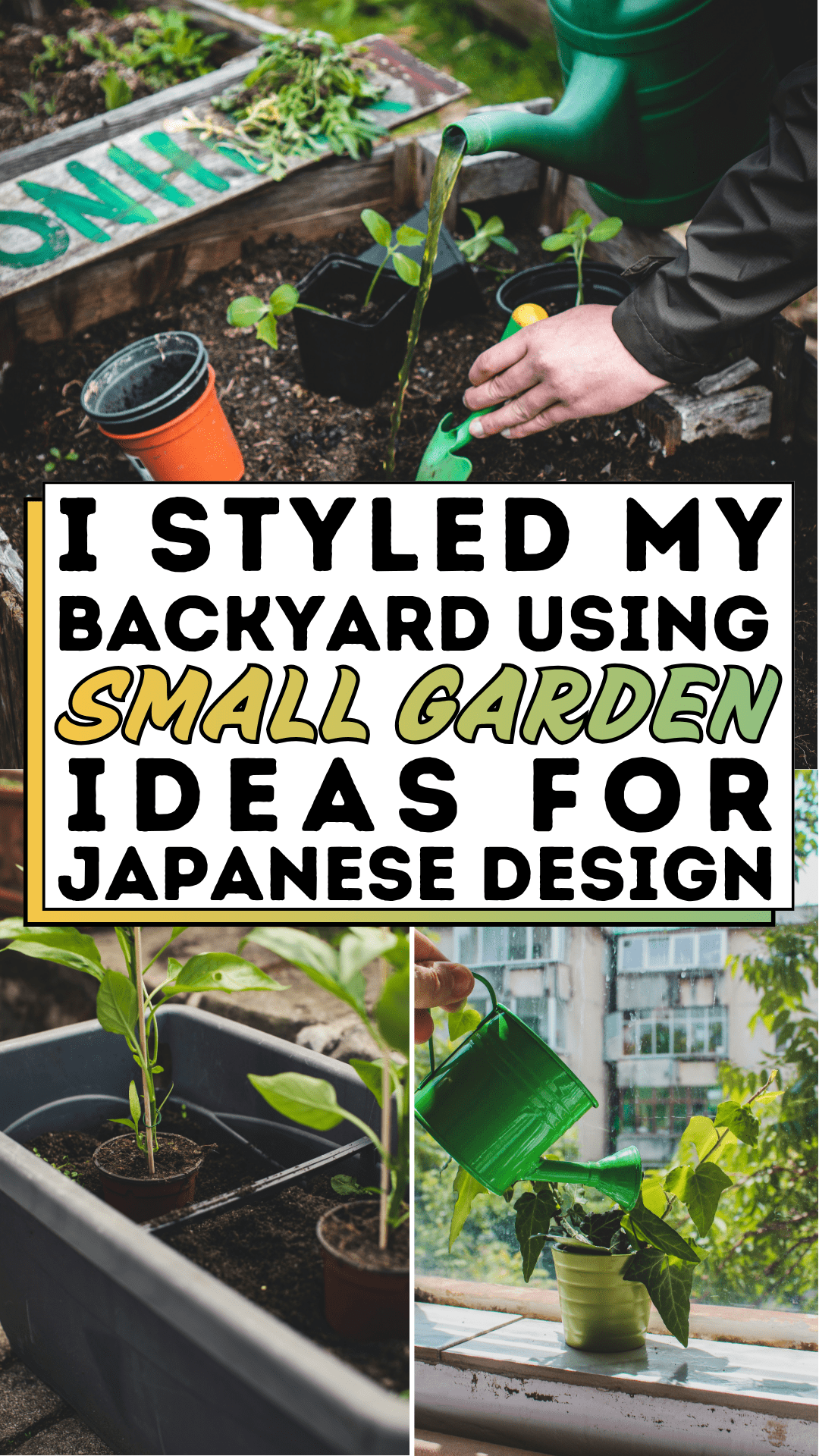
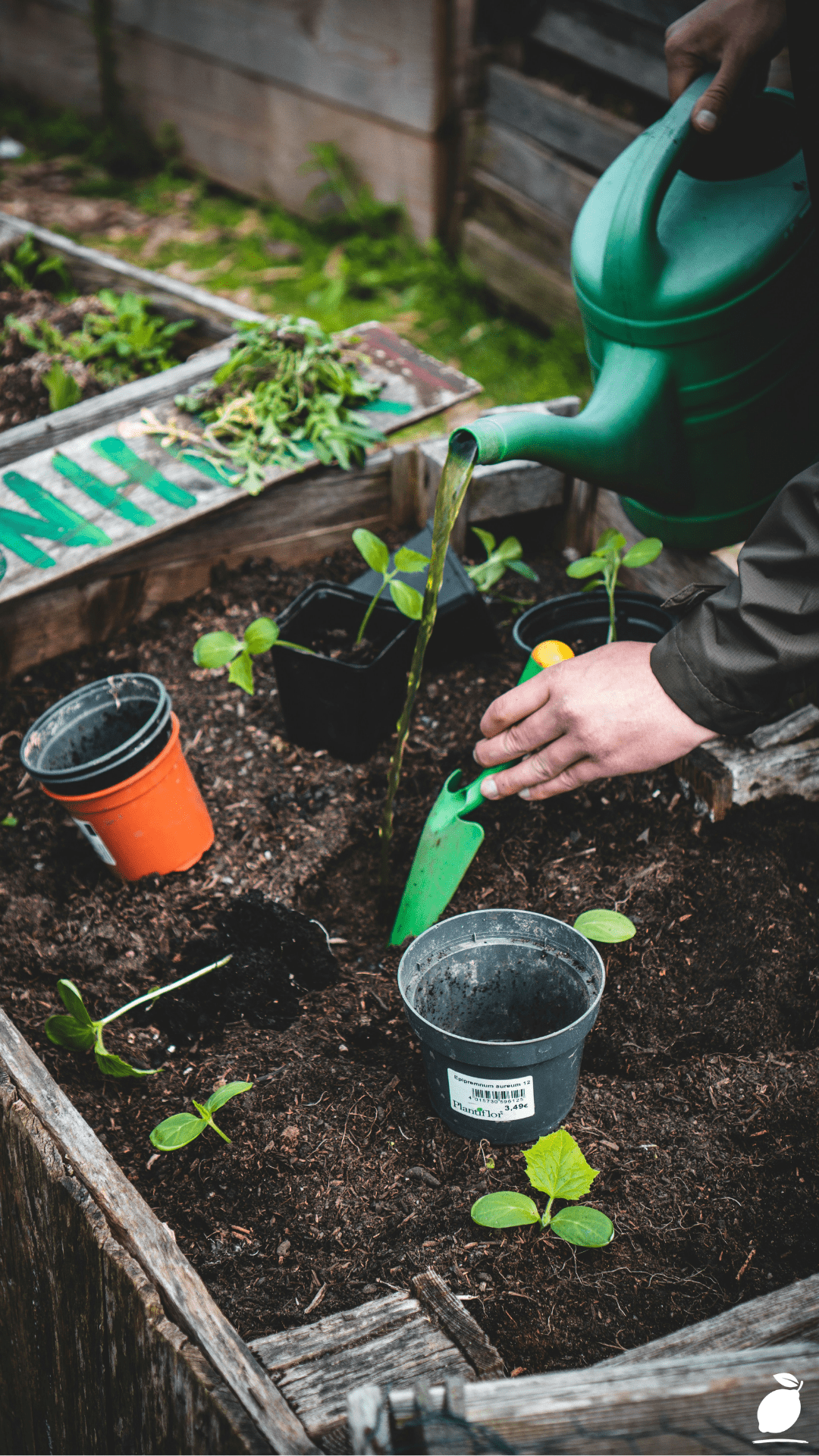
That image of hands pressing seedlings into dark, freshly worked soil in a weathered wooden planter box, a green watering can held overhead, small nursery pots scattered around the workspace, is the first act of that translation. Small garden ideas for Japanese design do not begin with raked gravel and stone lanterns. They begin with soil, with seedlings, with a planter box, and a considered intention about what grows in it and why. The philosophy arrives through the practice. Here is the blueprint I followed.
The Small Garden Ideas Blueprint
Japanese-influenced small garden ideas are applied in sequence from clearing and spatial assessment through material selection, planting, and the maintenance habits that sustain the design’s character over time. These steps are ordered by the dependencies between them: each one builds the foundation for the next.
Step 1: Clear Everything and Assess the Space as Structure
The first of all small garden ideas in a Japanese design framework is the subtractive one: remove everything from the garden that is not a permanent structure, the fence, the existing paving or ground surface, and any established trees or shrubs worth retaining. Pull the abandoned pots, remove the failing lawn section, and clear the weed-overrun planter. Stand in the space and look at it.
In a Japanese garden philosophy, the space is not the problem; it is the medium. Ma, the Japanese concept of meaningful space, is the principle that defines the relationship between the planted and the unplanted, the filled and the open. Small garden ideas that apply this principle begin by understanding the space’s actual geometry, where the fence lines run, where natural light falls at different times of day, and where the sightlines from the house windows land before deciding where anything permanent is placed. The cleared space assessment takes thirty minutes and prevents the most common small garden ideas failure: adding new elements to an unconsidered spatial framework that does not support them.
Step 2: Establish the Ground Plane — Gravel, Stone, or Moss
Japanese-influenced small garden ideas address the ground plane as a primary design decision rather than a background material. The ground surface establishes the garden’s tonal foundation and visual character more than any other single element. Three options dominate small garden ideas in this design tradition: raked decomposed granite or pea gravel for a dry garden (karesansui) aesthetic; flat stepping stones in an irregular or geometric pattern for a more human-scaled, navigable garden; and moss or ground-cover planting for a soft, textured surface that suits shaded, moisture-retentive small gardens.
For the weathered wood planter box context of the image, warm, tactile, slightly imperfect, a ground plane of fine gravel with flat stepping stones provides the correct material relationship: the gravel echoing the warm grey-brown of the weathered wood, the stepping stones providing both practical access and a visual rhythm that moves the eye through the small garden space. Lay the gravel to a minimum 8cm depth over a weed-suppressing membrane. Position stepping stones at a comfortable stride distance, approximately 55 to 60cm between centers, and bed them firmly into the gravel surface so they sit stable and level.
Step 3: Position the Planter Boxes with Spatial Intention
The wooden planter box is the central element of small garden ideas, adapted from Japanese design for a contemporary backyard. It combines the functionality of raised growing space with the material warmth and visual weight of a traditional wooden container. In small garden ideas of this type, planter boxes are positioned not to fill available space but to create a designed relationship between the box, the ground plane, and the fence or wall behind it.
Place planter boxes asymmetrically, one long box along the back fence, one shorter box at a right angle, creating a corner relationship rather than symmetrically on both sides of the garden. Asymmetry is a foundational principle of Japanese spatial composition: it creates the sense of a natural, discovered order rather than an imposed geometric one. Choose planter box materials that relate to the fence material: weathered cedar, larch, or Douglas fir planed to a consistent finish but left to silver naturally over time, as in the image. The weathered, aged quality of the wood is not a compromise in Japanese-influenced small garden ideas; it is the aesthetic destination.
Step 4: Select and Plant with Restraint — Japanese-Inspired Plant Palette
Plant selection for small garden ideas in a Japanese design tradition is guided by three principles: form over flower, texture over colour, and year-round interest over seasonal spectacle. This does mean no flowering plants; it means that flowering plants are chosen as seasonal accents within a palette of year-round structural plants rather than as the primary feature.
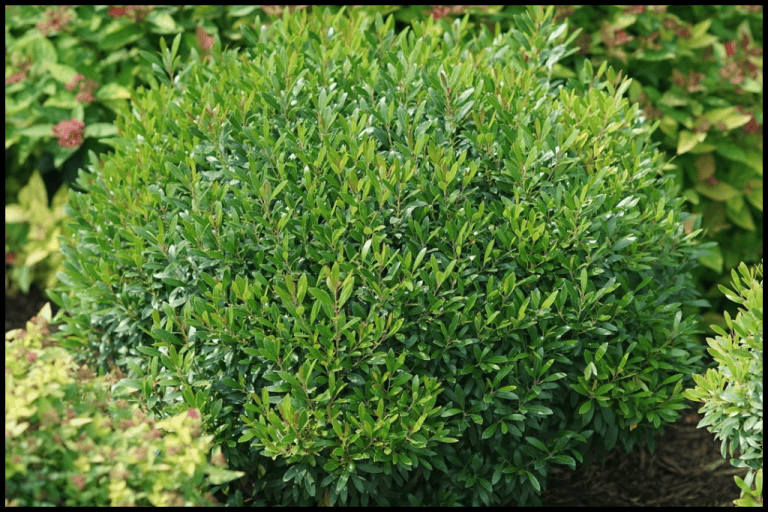
The structural plant palette for Japanese-influenced small garden ideas in a temperate backyard includes: Japanese forest grass (Hakonechloa macra) for its arching, light-catching golden-green form; compact Japanese maples (Acer palmatum varieties) for their three-season interest; clipped box or Ilex crenata spheres for their evergreen geometry; and ferns, in particular the autumn fern (Dryopteris erythrosora) and Japanese painted fern (Athyrium nipponicum) for their delicate texture and shade tolerance. These plants are placed in the planter boxes and in carefully positioned ground containers in odd-numbered groupings of three or five specimens, never two or four, which read as paired and static rather than naturally dynamic.
For the seedling stage visible in the image small nursery plants being pressed into dark soil in a freshly prepared planter box the most practical approach is to plant one primary structural specimen per box section (a compact maple, a grass clump, a clipped box ball) and fill between them with seasonal companions (moss, low ground-cover ferns, small spring bulbs) that provide ground-level texture without competing for visual dominance with the primary specimens.
Step 5: Introduce Stone, Water, or Lantern as a Singular Focal Point
Every well-executed application of Japanese-influenced small garden ideas includes one focal element, a single object that anchors the garden’s visual composition and provides the still point around which the planting and ground plane are organized. In a small backyard applying these small garden ideas, this focal point is typically one of three: a single significant stepping stone or boulder (ishi) positioned as a found natural object; a small water feature a stone tsukubai basin with a bamboo spout, or a simple ceramic bowl kept filled providing the sound and reflective quality of water in a contained, manageable form; or a weathered stone or ceramic lantern (toro), positioned at the back of the planter box or beside a stepping stone, providing a vertical accent and a reference to traditional Japanese garden composition.
The focal point should be introduced before the planting is complete, not added afterward as an afterthought, because its position organizes the planting arrangement around it. Position the focal element first, then arrange the planting to create a composed relationship with it, some planting screening one side, some planting framing it from behind, and clear gravel in front of it, providing the negative space that makes it readable as a significant object rather than simply another element in the garden.
Step 6: Water, Mulch, and Establish a Maintenance Rhythm
The final step in small garden ideas applied to Japanese design is establishing the maintenance rhythm that sustains the aesthetic over time. Japanese garden philosophy is not low maintenance; it is specific maintenance: regular, light, and attentive rather than occasional, heavy, and reactive. The weathered planter box in the image requires annual treatment with a natural wood oil to maintain its integrity while allowing the silver-grey patina to develop. The gravel ground plane requires occasional raking and periodic weed removal before weeds establish. The structural plants, the grasses, ferns, and compact maples need annual division or light pruning in early spring before new growth begins.
Water newly planted seedlings in the planter box daily for the first two weeks, then move to deep, infrequent watering twice weekly in dry conditions that encourages roots to develop downward into the planter’s full soil depth rather than sitting at the surface. Apply a 5cm mulch of composted bark around planted specimens immediately after watering in, keeping mulch clear of each plant’s base. This maintenance rhythm, applied fifteen minutes per week through the growing season and an hour per month through the remainder of the year, sustains the small garden’s Japanese design framework indefinitely.
Expert Secrets for Success
Pro-Tips for a Better Result
- Work from the back of the garden forward. Small garden ideas in a Japanese design tradition are composed for viewing from the house; the primary sightline is from inside looking out. Design and plant the back of the garden (the fence boundary) first as the backdrop, then work forward toward the house. The back layer establishes the depth and the tonal background; the middle layer provides the primary planting composition; the foreground, closest to the house door, is the arrival threshold that frames the whole. This back-to-front sequence produces a garden that reads as a composed landscape rather than a flat collection of objects.
- Use the planter box height as a compositional tool. The height of a planter box above the ground plane determines where in the visual field the planting sits, and in small garden ideas, this height relationship is a design decision. A planter at 40cm height brings the planting to a mid-height that creates a clear foreground-background relationship with the fence. A planter at 60cm or above brings the planting to near eye-level, which works well for Japanese grass and fern specimens whose fine texture is most readable at close range.
- Plant in the triangle composition. Japanese garden planting composition uses the triangle as its primary organisational form, with three elements of varying height arranged so they read as a dynamic, asymmetric group rather than a linear row. When positioning plants in the planter box, choose one tall specimen, one medium, and one low-spreading form, and position them so they create an irregular triangle when viewed from the primary sightline. This triangle composition works at every scale of small garden ideas, from a single planter box to a full garden bed.
- Choose plants that change with the season without requiring replacement. Small garden ideas in a Japanese framework favour perennials and seasonal deciduous specimens over annuals that need replacing. Japanese maples provide spring emergence, summer canopy, autumn fire, and winter silhouette. Hakonechloa grass provides spring green, summer gold, and winter straw. These plants earn their planter box space across twelve months rather than six, reducing both the maintenance burden and the cost of the small garden’s annual upkeep.
- Let the planter box weather naturally. The impulse to preserve weathered wood planter boxes in a permanent state with heavy varnish or paint defeats the Japanese aesthetic principle of accepting natural change and ageing. Apply a single coat of natural linseed or teak oil annually to slow but not prevent the natural silvering of the wood. The goal is controlled ageing, not preservation. The grey, weathered, slightly irregular quality of aged wood is precisely the material aesthetic that small garden ideas in a Japanese framework are designed to accommodate and honour.
Common Mistakes to Avoid
- Adding too many focal elements. The focused, meditative quality of Japanese-influenced small garden ideas depends on the garden having one primary focal element around which everything else is arranged. Two stone lanterns, a water feature, and a boulder in the same small garden create competing focal points that generate visual confusion rather than calm. Choose one focal element, position it with intention, and resist the temptation to add a second.
- Planting in even numbers and symmetrical arrangements. Symmetry reads as formal and imposes the opposite of the organic, discovered quality that Japanese-influenced small garden ideas create. Plant in groups of three, five, or one, never two or four. Arrange groups asymmetrically along the planter box length, clustering specimens toward one end and leaving space at the other, rather than spacing them evenly. Even spacing reads as planned in a way that contradicts the natural aesthetic the design philosophy requires.
- Choosing flowering plants as the primary structural plants. A planter box filled primarily with flowering annuals or heavily flowering perennials produces the English cottage garden aesthetic, not the Japanese-influenced one. Flowers in Japanese-influenced small garden ideas are seasonal accents, a single spring-flowering cherry, a few moss-covered primula at the base of the grasses, not the primary structural content. If the planting reads as primarily floral from the house window, the plant selection needs rebalancing toward form and foliage over flower.
- Using brightly colored pots alongside weathered wood planters. The image of an orange plastic nursery pot among natural wood and dark soil illustrates the temporary, working-in-progress quality of the planting stage; it is not the finished aesthetic. In the completed small garden, nursery pots are replaced by ceramic, stone, or wood containers in grey, white, or natural tones that belong to the garden’s palette. Brightly colored pots compete with the restrained, earthy aesthetic that small garden ideas in a Japanese framework require.
- Neglecting the fence as a compositional backdrop. The fence in a small garden is not background noise; it is the garden’s largest surface and its primary visual backdrop. In small garden ideas of Japanese influence, the fence is treated as a compositional element: allowed to weather naturally, planted against at its base with structural specimens that read clearly against it, and occasionally given a single element of deliberate accent, a bamboo panel section, a trained espalier, or a wall-mounted ceramic piece that acknowledges its role in the garden’s composition rather than ignoring it.
Why Small Garden Ideas Matter
Small garden ideas matter precisely because small gardens are the reality of the overwhelming majority of residential outdoor spaces, and the design principles that make them work are disproportionately underserved relative to those applied to large country gardens and sweeping landscape projects. The Japanese design tradition, which developed sophisticated garden aesthetics specifically for constrained urban spaces over centuries, is the most genuinely relevant design philosophy for the small backyard that most urban and suburban households actually have. Its principles ma, asymmetry, natural material, and seasonal change, evolved for exactly the scale of space that most people are working with, and most garden advice overlooks.
For families, a small garden made beautiful through the application of these small garden ideas is not a concession to limited space; it is a profoundly more useful outdoor experience than the same space managed as a low-maintenance paved area or an impractical lawn patch that serves no one well. A small garden with a planter box maintained through seasonal planting provides children with a living relationship with soil, growth, and seasonal change that no amount of screen time replicates. A well-designed small garden visible from the kitchen window changes the daily experience of the most-used room in the house from one that looks out onto neglect to one that looks out onto intention and care. These are the domestic returns that small garden ideas, correctly applied, deliver every day without demanding more than they give.
And for the individual who plants the seedlings, levels the gravel, and positions the focal stone, the process of creating a small garden through the application of considered small garden ideas is one of the most directly therapeutic activities available to a person in a domestic setting. Soil contact has been demonstrated to reduce cortisol. The act of planting seedlings and watching their establishment across a season provides a quality of patient, measured engagement with living things that daily life rarely offers. The small garden created through Japanese design principles is not just beautiful to look at, it is actively restorative to tend, season after season, as it deepens in character and settles more confidently into the space it was made for.
Frequently Asked Questions
How do I apply Japanese small garden ideas to a fully paved backyard?
A fully paved backyard can apply Japanese-influenced small garden ideas entirely through container and raised planter design, with no ground-level planting required. Replace the paved ground plane narrative with large, significant planter boxes in weathered timber or concrete positioned to create spatial rhythm rather than symmetrical row arrangements. Add a single water feature, a stone basin on the paved surface, as the focal element. Cover the most visible section of paved area with a large natural-fiber outdoor rug in grey or beige to introduce the organic material quality that paving alone cannot provide. Japanese small garden ideas are more about material relationships and spatial composition than about in-ground planting.
Which Japanese design small garden ideas work best in a shaded backyard?
Shaded small garden spaces are among the most naturally aligned with Japanese garden aesthetics, which traditionally favour the quality of filtered, dappled light over full sun. The best small garden ideas for a shaded Japanese-style space include: mosses and ground ferns as the primary ground cover (they thrive in shade and provide the soft, living carpet quality of traditional Japanese garden aesthetics); Japanese painted ferns and Hakonechloa grass in the planter boxes; compact Japanese maples (particularly purple-leaf varieties) for their dramatic color visible even in dappled light; and a stone water basin feature whose reflective surface amplifies available light at ground level.
How do I maintain a Japanese-style small garden through winter?
Japanese-influenced small garden ideas are designed for year-round interest, which means winter maintenance is primarily about appreciating the seasonal change rather than compensating for it. Leave deciduous specimens, Japanese maples, and ornamental grasses to display their winter silhouettes rather than cutting them back immediately. Rake the gravel ground plane clean of fallen leaves, a fifteen-minute task to maintain the clarity of the ground surface. Apply a winter mulch of composted bark around the base of planter box specimens to protect roots from hard frost. Check the annual wood oil treatment on planter boxes in October and apply if the surface has become dry or is showing signs of cracking. The Japanese garden in winter is a different aesthetic from the same garden in summer, leaning into the spare, structural quality rather than trying to compensate for it.
What is the minimum space needed to apply Japanese small garden ideas effectively?
Japanese small garden ideas are specifically suited to small spaces. The philosophy was developed in urban Japanese contexts, where courtyard gardens of 2 to 4 square meters were the norm. A space as small as 2 meters by 3 meters can accommodate a single planter box, a gravel ground plane, stepping stones, and one focal element effectively. The minimum practical requirement is a clear sightline from inside the house without a primary viewing point from which the garden is composed; the Japanese spatial principles lose their organizing logic. Any space with a window or door view, regardless of its dimensions, is a candidate for small garden ideas in a Japanese design tradition.