The sun used to be an enemy of the garden I had when I was gardening at my old house. In July, I would often stand over a bunch of wilted and shrivelled hydrangeas and snapdragon flowers, wilting hostas, holding onto a hose and trying to dump water on the plants to fix the structural problem I had caused with too much water from the hose.
The garden continued to be a source of daily stress with an ongoing cycle of high maintenance needs, meeting the reality of being in a climate with little rainfall. Weekends would be spent carrying heavy water cans up and down the steps of my deck and looking at increasing water costs on my bill, and yet all I could see every day outside my house were brown edges of the plants and sagging stalks of the flowers. The burden of having to keep the thirsty plants alive in a desert-like atmosphere was an extra burden on an already busy schedule of things to get done.
I came to the conclusion that the issue I was having with the garden was not that I was not working hard enough; the problem I was having was that I was out of sync with my garden. I was trying to impose a beautiful English garden style on an area that was screaming for something different altogether. There was such a disconnect between the style I wanted and what my environment dictated that it created a chaotic feedback loop. My garden, which was supposed to be my peaceful place to think and reflect, was actually a completely dead graveyard of failed plants and wasted nurseries. I needed to stop right there!
The Snapdragon Flowers Blueprint
Creating a high-functioning garden in 2026 is about architectural layering and choosing tough-as-nails varieties. Follow this blueprint to master the art of cultivating snapdragon flowers.
Step 1: Select the Ideal Site
To successfully grow snapdragon flowers, you must identify a spot in your garden that receives at least six to eight hours of direct sunlight. While they appreciate the sun, they also prefer soil that stays cool and well-drained.
Why it works: Proper site selection prevents the plants from becoming leggy. When snapdragon flowers receive adequate light, they produce sturdier stems and more vibrant petal colors.
Step 2: Soil Preparation and Planting
Before planting your snapdragon flowers, enrich the soil with a light layer of compost. Space the seedlings about 6 to 12 inches apart to allow for proper air circulation, which is vital for preventing disease.
Why it works: These flowers thrive in soil that is rich but not overly saturated. Good spacing ensures that the dark green, pointed leaves at the base of the blooms stay dry and healthy.
Step 3: The Pinching Technique for Fuller Blooms
Once your snapdragon flowers reach about 3 to 4 inches in height, pinch off the top of the stem. This might feel counterintuitive, but it encourages the plant to branch out into multiple spikes.
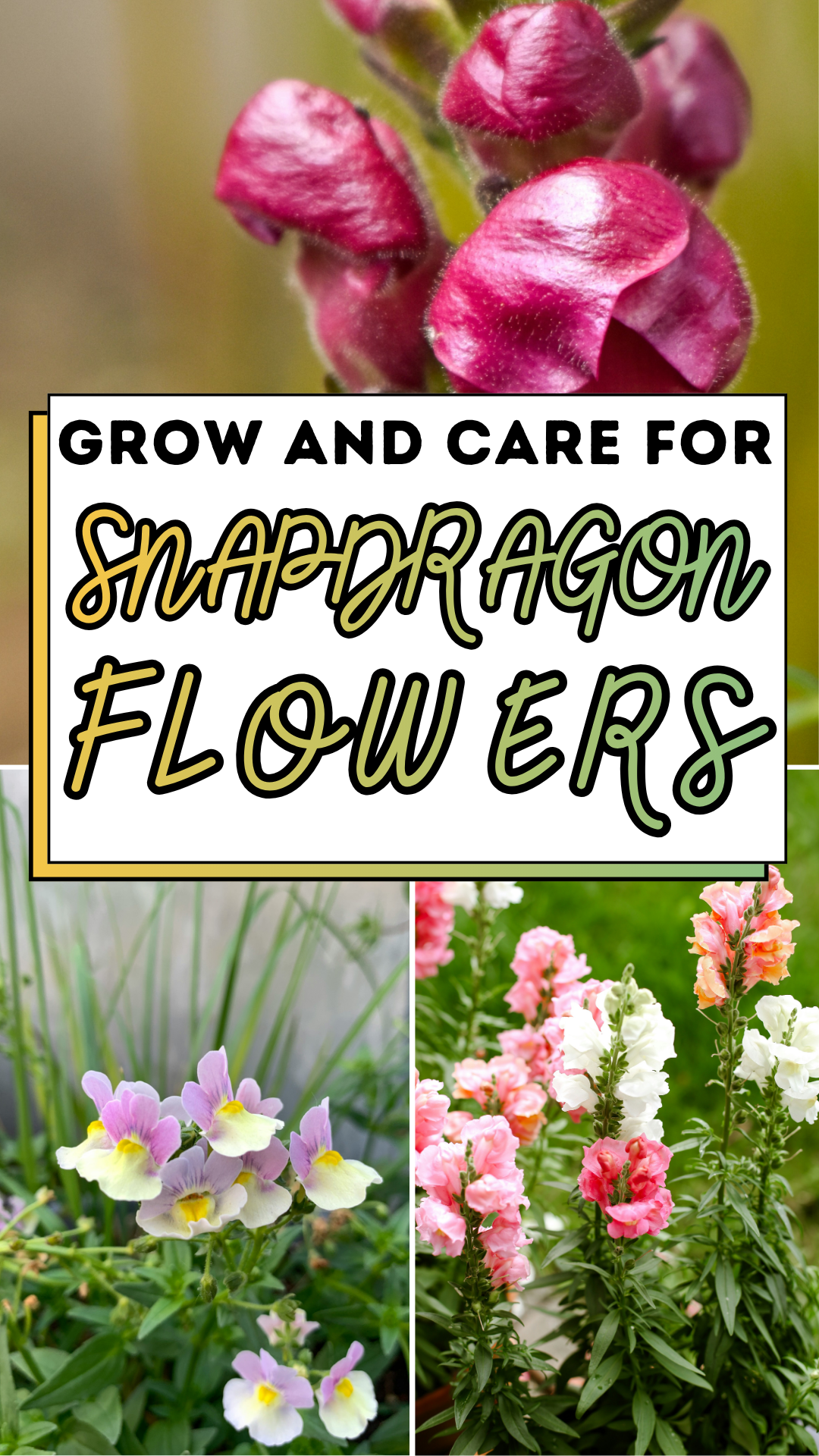
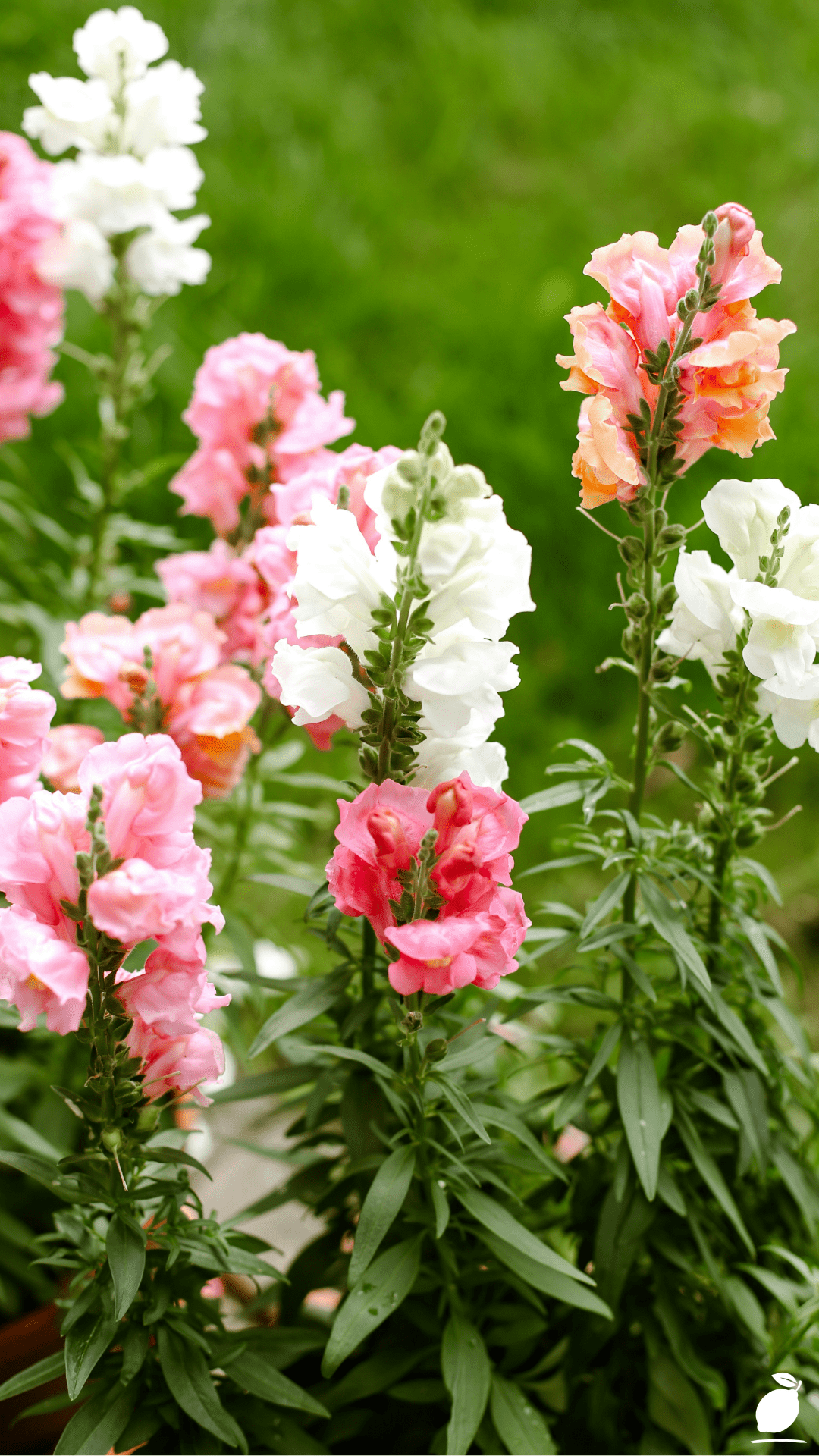
Why it works: Pinching results in a much bushier plant with significantly more flower spikes. This is the secret to achieving that dense, lush look with multiple salmon-pink and white stems visible in a single frame.
Step 4: Consistent Watering and Deadheading
Water the base of your snapdragon flowers consistently, especially during dry spells. As the flowers fade, remove the spent spikes to encourage the plant to produce a second or even third wave of blooms.
Why it works: Deadheading prevents the plant from putting energy into seed production. By removing old flowers, you ensure that your snapdragon flowers remain the focal point of your garden all season long.
Expert Secrets for Success
Pro-Tips for Better Results
- Temperature Timing: Remember that snapdragon flowers are cool-season performers. Plant them in early spring or late summer to avoid the most intense heat of the year, which can cause them to go dormant.
- Support for Tall Varieties: If you are growing the taller varieties of snapdragon flowers, provide a bit of support with stakes. This keeps the tall spikes from toppling over during spring rain showers.
- Mulching for Moisture: Apply a light layer of mulch around the base of your snapdragon flowers. This keeps the roots cool and helps the soil retain moisture without becoming waterlogged.
Common Mistakes to Avoid
- Over-Watering: While they need moisture, snapdragon flowers do not like soggy feet. Ensure your garden has excellent drainage to avoid root rot.
- Crowding the Plants: Resist the urge to pack them too tightly. Airflow is essential for snapdragon flowers to prevent common garden pests and fungal issues.
- Ignoring the Shade: In very hot climates, snapdragon flowers appreciate a little afternoon shade. Total exposure to 100-degree heat can cause the blooms to fade prematurely.
Why Snapdragon Flowers Matter
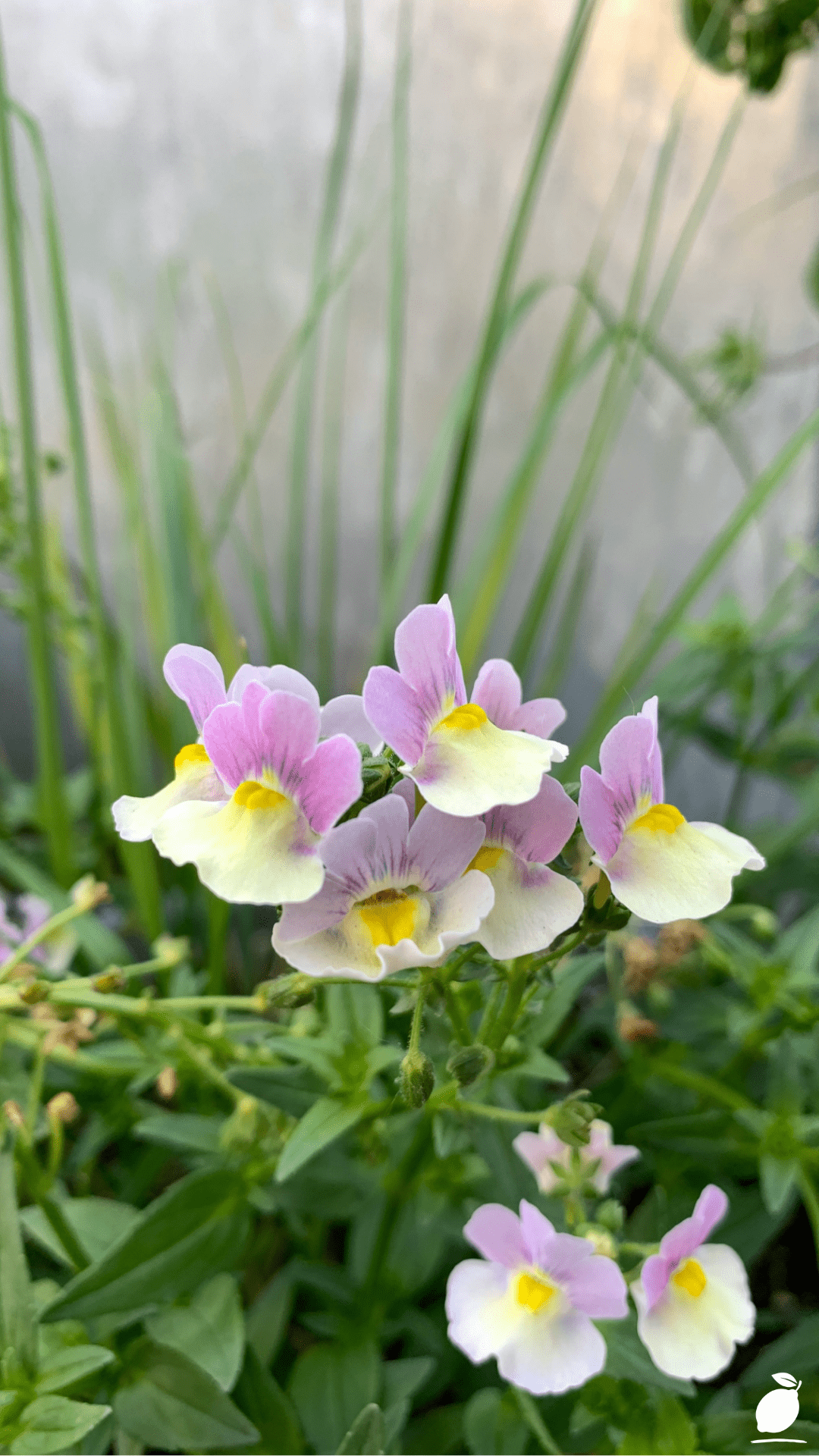
At Easy Peasy Life Matters, we believe that your external environment directly dictates your internal peace. When you stop fighting your climate and start working with snapdragon flowers, you are reclaiming your time and your mental clarity. There is a profound sense of DIY success that comes from seeing life thrive in conditions that look impossible.
A well-tended garden reduces the chaos of constant maintenance. It replaces the anxiety of a dying landscape with the calm of a resilient sanctuary built on the beauty of snapdragon flowers. This tranquility ripples out to the whole family, no more arguments over water restrictions or the cost of replacing dead shrubbery. By choosing plants that celebrate the earth, you are teaching yourself and your family that beauty doesn’t require a constant, frantic input of resources; sometimes, the most stunning results come from a little bit of grit and a lot of resilience.
FAQ
How long does it take for snapdragon flowers to bloom?
Typically, if you start from seed, snapdragon flowers will take about 2 to 3 months to reach their full flowering potential. Buying established seedlings can give you an immediate splash of color in your garden.
Can snapdragon flowers survive a light frost?
Yes! One of the best things about snapdragon flowers is their hardiness. They can actually tolerate a light frost, which makes them one of the first flowers to brighten up a spring garden.
Are snapdragon flowers attractive to pollinators?
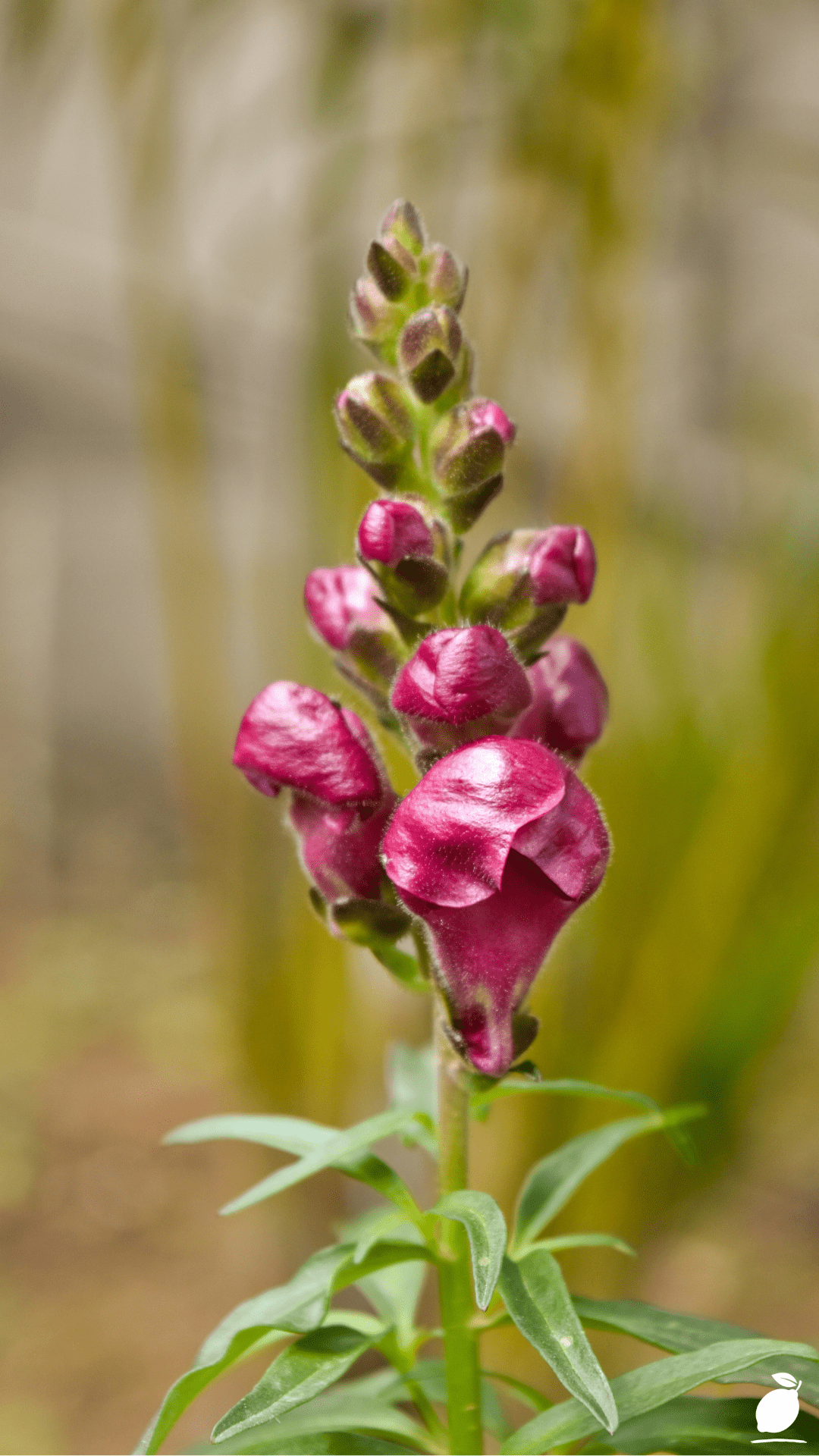
Absolutely. The unique tubular shape of snapdragon flowers is a favorite for bumblebees. Watching the bees navigate the zigzag pattern of the petals is a great way to connect with nature.
Do snapdragon flowers come in different colors?
While our focus is on the beautiful salmon-pink and white varieties, snapdragon flowers come in almost every color of the rainbow, including yellow, red, and deep purple.