We have all been there: that moment of quiet panic when you realize your once-stunning Monstera has stopped producing those iconic split leaves and is instead putting out small, pale, and lackluster growth. It is a messy, disheartening struggle to feel like you are doing everything “by the book,” watering correctly, checking for pests, yet your leafy companions still look like they are just barely hanging on, and indoor plants. It feels like a failure of care, adding another layer of “to-do” list guilt to an already cluttered mental space. You want that lush, urban jungle vibe, but instead, you are left with a collection of dusty pots that feel more like a burden than a blessing.
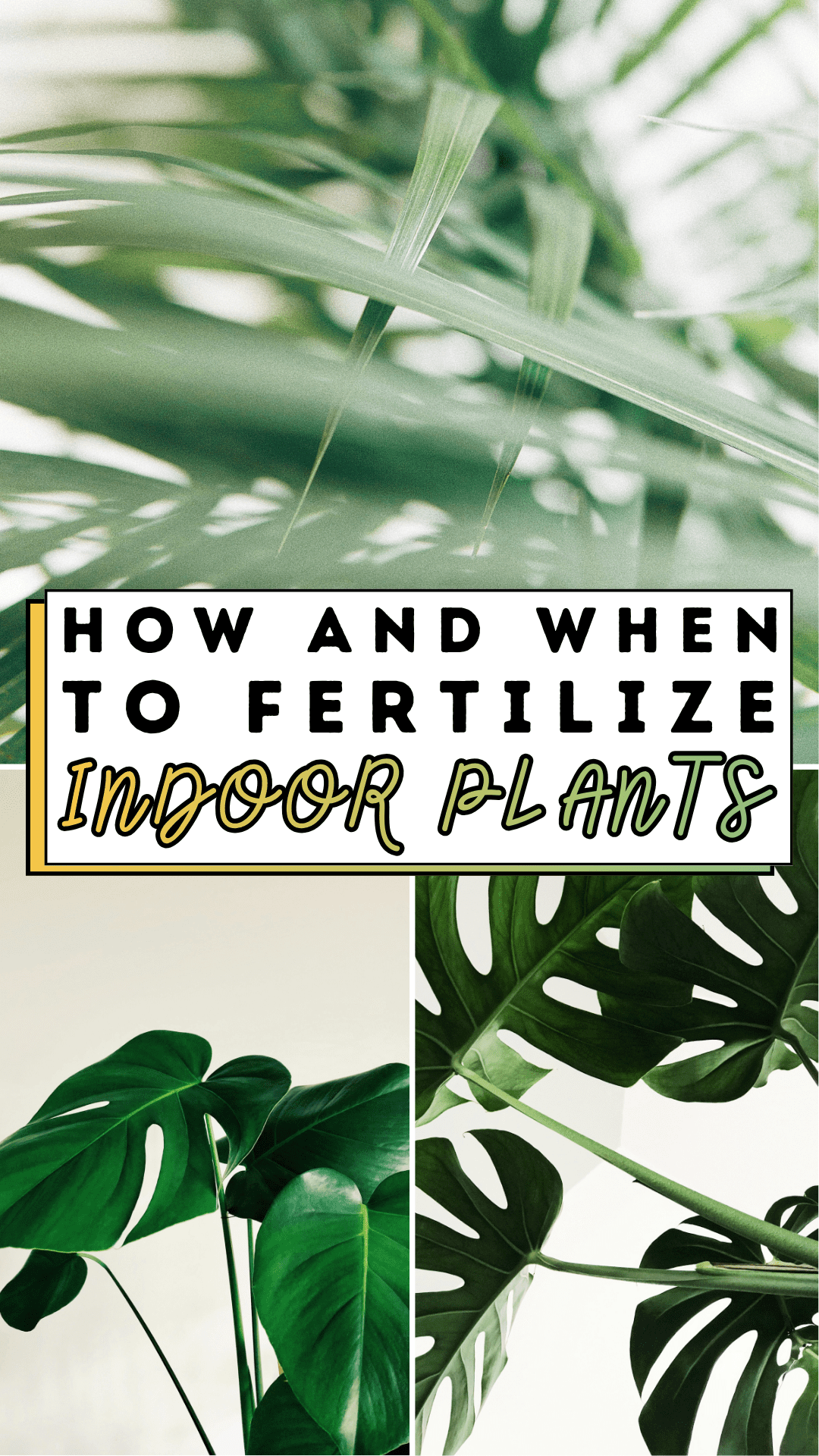
But imagine a different scene, one that looks like a high-end botanical gallery. Picture a single, massive Monstera leaf against a crisp white wall, its deep, vibrant green surface catching the soft morning light. The split and fenestrated patterns are sharp, creating a natural masterpiece of segments and holes. The leaf is glossy and full of life modern shadow that feels both minimalist. This isn’t just a plant; it is a statement of vitality. When you master the rhythm of nourishment, your indoor plants stop being a chore and start being the high-contrast, living art they were meant to be.
The secret to moving from “struviving” to thriving is understanding that fertilization isn’t a random act of kindness; it is a strategic fuel injection. At Easy Peasy Life Matter, we believe that nurturing your space should be an intuitive, streamlined process. By learning how and when to fertilize indoor plants, you are reclaiming the health of your home environment. You are trading the guesswork and the “messy” anxiety for a clear, seasonal system that ensures every new leaf is bigger and more resilient than the last. It is time to turn that dusty corner into a vibrant, botanical sanctuary.
The Indoor Plants System
To get those deep green, glossy results, you need a feeding schedule that respects the natural dormant and active cycles of your greenery. Use this three-step system to fuel your indoor forest.
Step 1: Prepare
Before you ever reach for the fertilizer, you must assess the “readiness” of your indoor plants. Never fertilize a bone-dry plant; the salts in the fertilizer can actually burn the thirsty roots. Start by watering your plants with plain, room-temperature water a day before you plan to feed. Next, choose your fuel. For foliage-heavy stars like the Monstera, look for a liquid fertilizer with a balanced N-P-K ratio (nitrogen, phosphorus, and potassium). This ensures the plant has the nitrogen it needs for those vibrant green leaves and the potassium required for strong, thick stems.
Step 2: Implement
Timing is everything. For most indoor plants, the active growing season runs from early spring through late summer. This is when the light is strongest, and the plant is working overtime to produce new growth. During these months, implement a “weakly, weekly” approach, dilute your fertilizer to half the recommended strength, and apply it every other time you water. This provides a steady, gentle stream of nutrients rather than a high-dose “shock” to the system. Always pour the mixture directly onto the soil, avoiding the leaves to prevent any spotting or salt buildup on that glossy surface.
Step 3: Maintain
Maintenance in the “Easy Peasy” world means knowing when to stop. As the days grow shorter in autumn and winter, your indoor plants naturally slow down their metabolism. During this dormant phase, stop fertilizing entirely. Forcing a resting plant to grow with chemical nutrients can lead to weak, leggy stems and “salt burn” in the soil. Additionally, every few months, “flush” your pots by watering them until the water runs freely out of the drainage holes for several minutes. This washes away any accumulated mineral salts, keeping the soil environment fresh and healthy.
The Secrets to Indoor Plants
Achieving that minimalist, botanical look requires a few “insider” moves that protect the health of your foliage and the aesthetic of your space.
Expert Pro-Tips
- The “Bottom-Up” Hack: If you are worried about over-fertilizing, try “bottom-watering” with a diluted fertilizer solution. Let the plant soak up the nutrients it needs through the drainage holes; it will naturally stop when the root ball is saturated.
- Foliar Feeding for Shine: Occasionally, use a very weak fertilizer spray on the leaves themselves. This “foliar feeding” provides an instant boost and can help maintain that deep, vibrant green luster seen in professional photography.
- Use Rainwater if Possible: Tap water often contains chlorine and fluoride which can react with fertilizers. Using rainwater or filtered water ensures the nutrients remain “bio-available” to your indoor plants without any chemical interference.
Common Mistakes to Avoid
- Fertilizing a Sick Plant: If your plant is yellowing due to pests or root rot, adding fertilizer is like giving a marathon to someone with the flu. Fix the underlying health issue first before trying to “feed” it back to health.
- Ignoring the “New Leaf” Rule: If your plant isn’t putting out any new growth, it likely doesn’t need fertilizer. Only feed when you see active signs of life, such as new leaf spikes or height increases.
- Using Full-Strength Formulas: Most commercial fertilizers are formulated for outdoor use. For indoor plants, always cut the recommended dose in half. It is much easier to fix an under-fed plant than one with “fried” roots from over-fertilization.
Why Indoor Plants Matter

At Easy Peasy Life Matter, we talk about the “Organized Atmosphere.” Your home is a reflection of your internal state, and a thriving, deep-green Monstera is a visual anchor for a calm mind. There is a profound connection between plant care and mental health; the act of nourishing something else reminds us to nourish ourselves.
When your indoor plants are healthy, they act as natural air purifiers and stress reducers. The minimalist, high-contrast aesthetic of a well-fed plant provides a sense of visual order that lowers cortisol levels. It is a form of “Active Mindfulness.” The few minutes you spend checking the soil and mixing your nutrients allow you to disconnect from the digital noise and reconnect with a biological rhythm. By organizing your care routine into a simple, seasonal system, you are removing the “messy” mental load of care and replacing it with a rewarding, living ritual that makes your home feel like a true sanctuary.
FAQ
When is the best time of day to fertilize?
Morning is ideal. This allows the plant to take up the nutrients and use them throughout the day as it engages in photosynthesis. Avoid fertilizing in the evening, as sitting in wet, nutrient-heavy soil overnight can sometimes encourage fungal issues.
Can I use coffee grounds as fertilizer for my indoor plants?
While coffee grounds contain nitrogen, they are not a complete fertilizer and can actually create a “crust” on the soil that prevents water from reaching the roots. It is better to compost the grounds first or stick to a balanced, liquid indoor plant fertilizer.
How do I know if I have over-fertilized my plants?
Look for “fertilizer burn.” This typically appears as brown, crispy tips on the leaves or a white, crusty buildup of salts on the surface of the soil. If you see these signs, immediately flush the soil with plenty of clear water and stop feeding for at least two months.