The feeling of a backyard that feels like a chore is something we have all battled. You look out the window and see a patch of grass that needs mowing, a fence that needs painting, and garden beds that look more like a chaotic storage unit for weeds than a place of rest. It is a messy, visual weight that adds to the mental clutter of a long work week and hummingbird plants. We want our outdoor spaces to be a retreat, but often, they just feel like another room to clean, a static environment that demands everything and gives back very little in the way of inspiration.
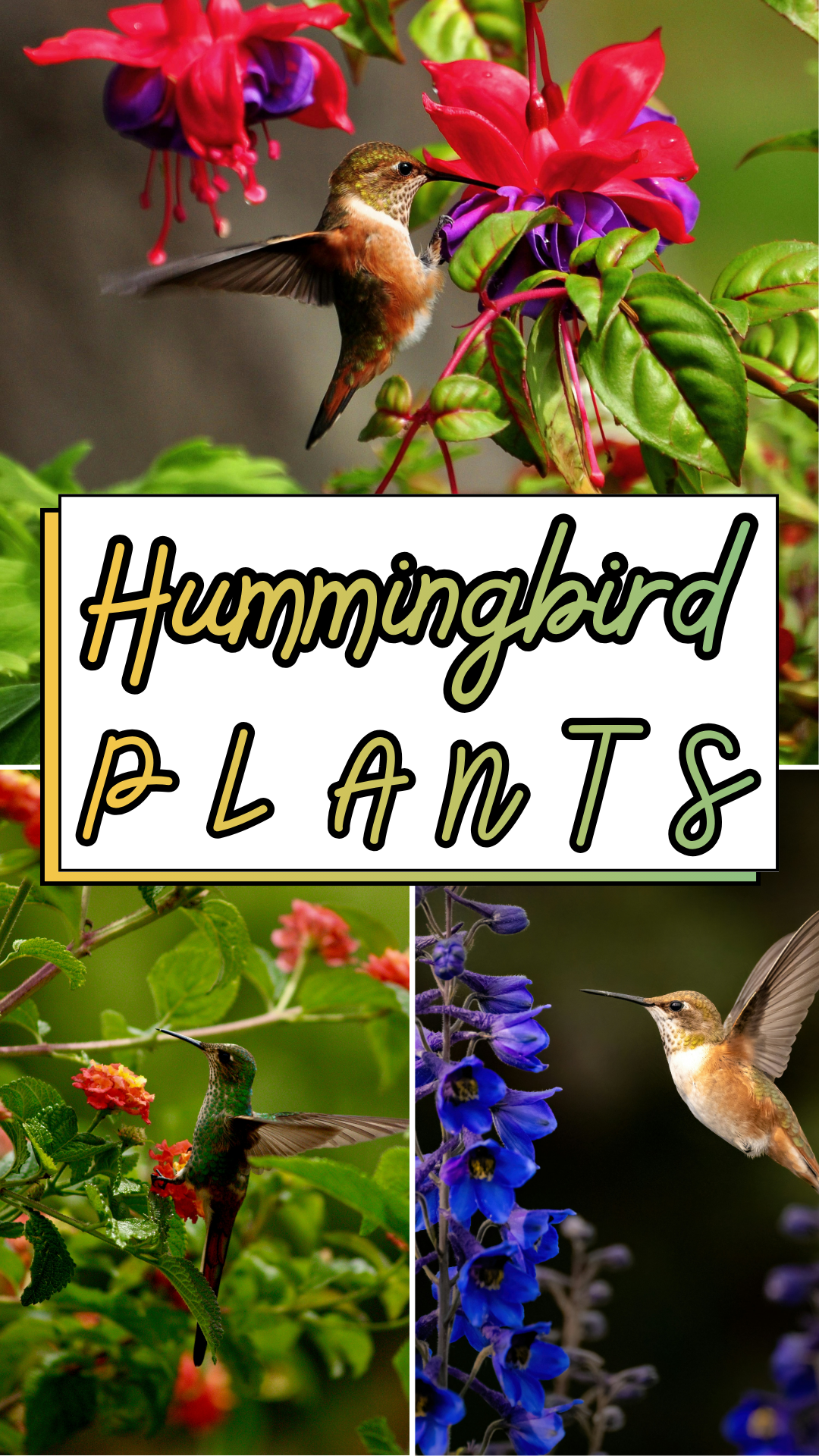
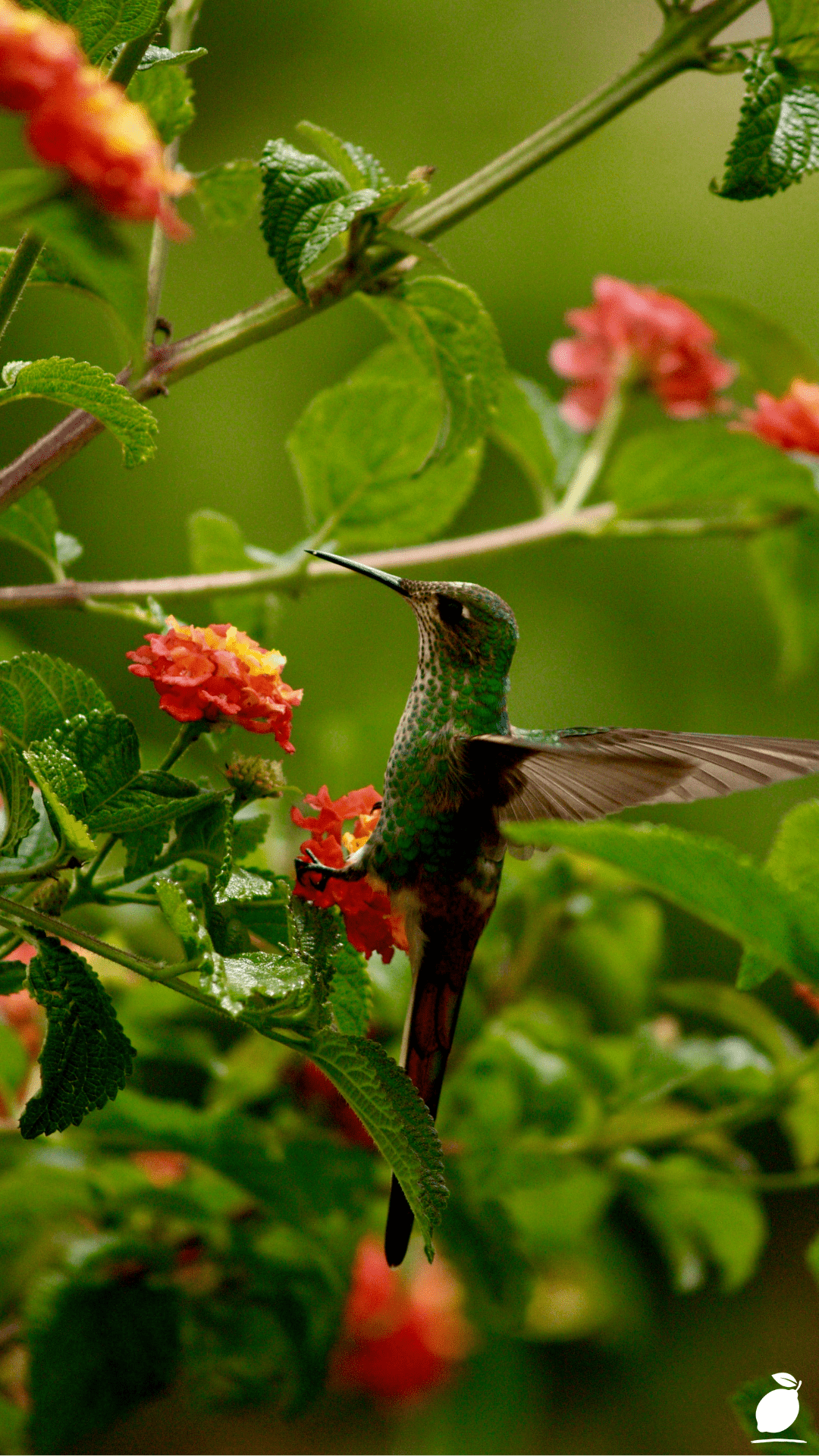
But imagine a shift from static to cinematic. Picture a quiet Tuesday morning where you are sitting on your porch with a coffee, and the world suddenly comes alive. A tiny, iridescent green into your peripheral vision, its translucent wings a soft blur as it settles onto a vibrant cluster of coral-colored lantana. The bird’s long, thin beak finds the heart of a tubular bloom, its metallic feathers shimmering in natural light. In that moment, your garden isn’t just a plot of land; it is a high-vibe ecosystem, a living Kaboompics-style gallery where the colors are saturated, and the energy is electric.
This transformation is the heart of the Easy Peasy Life Matter philosophy. By strategically choosing hummingbird plants, you aren’t just adding “decor” to your yard; you are inviting a dynamic into your daily routine. You are trading the “messy” struggle of high-maintenance landscaping for a purposeful design that attracts nature’s most fascinating visitors. It is about creating a space that breathes, moves, and heals, turning a chore-filled backyard into a vibrant sanctuary that restores your spirit every time you look out the window.
The Hummingbird Plants System
Designing a garden that attracts these “flying jewels” requires more than just a few random flowers. Follow this three-step system to build a reliable, high-traffic habitat.
Step 1: Prepare
To create a true haven, you must look beyond the bloom. Hummingbirds don’t just need sugar; they need safety and “perch points.” Before planting your hummingbird plants, evaluate your space for shelter. Do you have shrubs or trees nearby where a bird can hide from predators or rest between feedings? Next, prepare your soil with organic matter. Avoid chemical pesticides at all costs; hummingbirds eat small insects for protein, and toxins in your garden can be fatal to these tiny creatures.
Step 2: Implement
When you are ready to plant, think in “color corridors.” Hummingbirds are highly visual and are naturally drawn to reds, oranges, and bright corals. Group your hummingbird plants in large clusters rather than scattered single stems. This creates a bold visual signal that can be seen from a distance. Include a variety of heights. Use low-growing lantanas as a foreground, mid-sized salvia in the center, and tall trumpet vines or bee balm in the back. This tiered approach maximizes the feeding “real estate” in a small footprint.
Step 3: Maintain
The key to a successful hummingbird garden is consistent blooming. To maintain the “Easy Peasy” vibe, choose a mix of species that bloom at different times throughout the spring and summer. Deadheading (removing spent flowers) is crucial here; it signals the plant to keep producing those nectar-rich tubular blooms. Additionally, provide a consistent water source. A shallow birdbath with a “mister” attachment is ideal, as hummingbirds prefer to fly through a fine spray to clean their feathers rather than dipping into deep water.
The Secrets To Hummingbird Plants
If you want your garden to be the top-rated destination for local pollinators, you need to understand the mechanics of how these birds feed and move.
Expert Pro-Tips
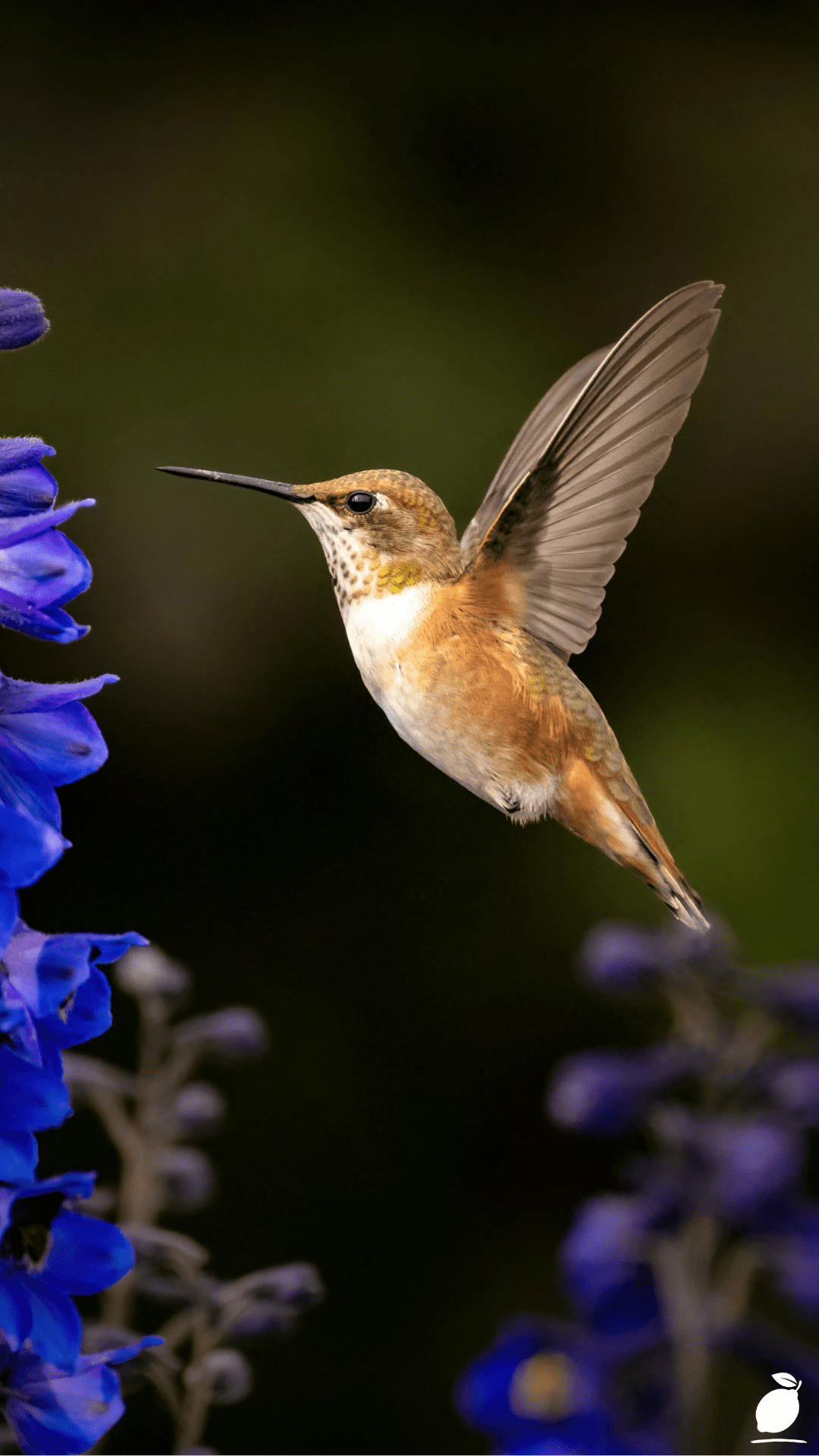
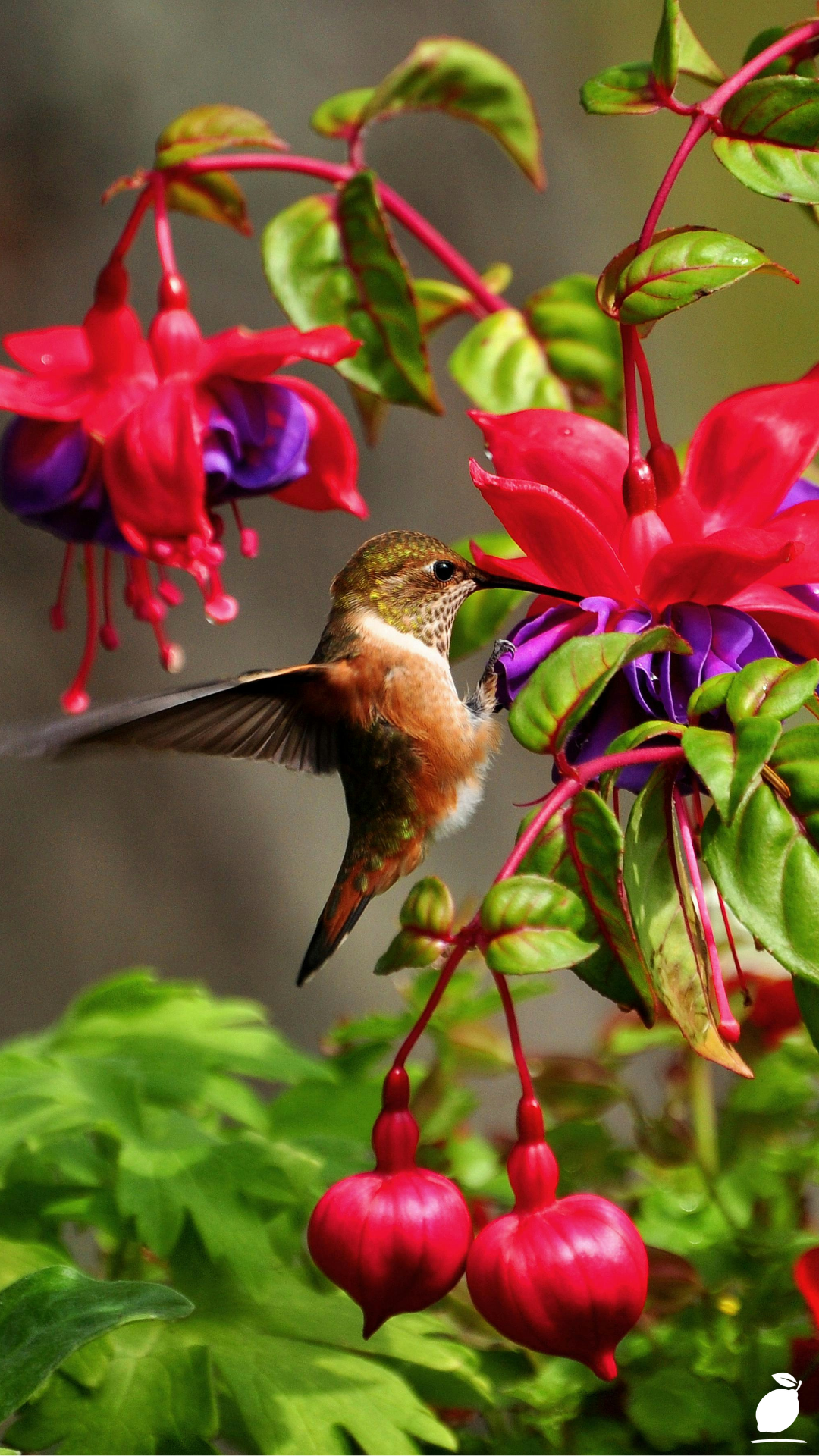
- Focus on Tubular Shapes: While they will visit many flowers, hummingbirds are evolutionarily designed for tubular shapes. Plants like honeysuckle, fuchsia, and salvia are perfect matches for their long beaks.
- The Red Ribbon Trick: If you are starting a new garden, hang small red ribbons or use red garden stakes. This acts as a “neon sign” to help scouting birds find your hummingbird plants faster during their migration.
- Native is Better: Native plants typically produce more nectar than highly hybridized “show” flowers. Look for varieties local to your region to provide the highest quality fuel for your visitors.
Common Mistakes to Avoid
- Over-Cleaning the Garden: While we love an organized look, don’t be too quick to clear away every spiderweb. Hummingbirds actually use spider silk to bind their nests together.
- Using Red Dye: If you use a feeder alongside your hummingbird plants, never use red dye in the nectar. It is unnecessary and can be harmful. The natural color of your coral or red flowers is all the “advertising” you need.
- Single-Season Planting: Many gardeners only plant for the peak of summer. The mistake is forgetting the early spring arrivals and the late autumn travelers. Ensure you have nectar available for the entire duration of the migration season.
Why Hummingbird Plants Matter
At Easy Peasy Life Matter, we talk a lot about the intersection of environment and mental health. A garden full of hummingbird plants is a powerful tool for mindfulness. In our fast-paced, digital world, our attention is often fragmented. We are constantly “multi-tasking” our way into burnout.
When a hummingbird enters your space, it demands a specific kind of “soft fascination.” You cannot check your email while watching a bird that moves at 50 wingbeats per second. You are forced into the present moment. This “micro-meditation” lowers cortisol levels and resets your nervous system. By organizing your outdoor space to support these creatures, you are creating a feedback loop of wellness. You give them life-sustaining nectar, and they give you a reason to pause, breathe, and appreciate the world’s intricate beauty. It is the ultimate form of lifestyle organization: curating your surroundings to protect your peace.
FAQ
Which hummingbird plants are best for small porches?
Lantana and Fuchsia are excellent for containers and hanging baskets. They provide dense clusters of blooms in a compact space, making them perfect for those with limited gardening area who still want to attract pollinators.
How long does it take for birds to find new hummingbird plants?
It can happen in minutes or take a few weeks. Hummingbirds have incredible spatial memory and follow set “traplines” (feeding routes). Once they discover your garden is a reliable source, they will return to the same spot year after year.
Do I need a feeder if I have a lot of hummingbird plants?
Not necessarily. While feeders can provide a supplemental boost, a well-planned garden with a variety of nectar-rich flowers is more than enough to sustain them. In fact, many bird enthusiasts find that a flower-heavy garden is easier to maintain than cleaning and refilling feeders daily.