We have all felt that pang of “garden envy” while scrolling through perfectly curated lifestyle feeds. You see those lush, ever-blooming backyards and then look out at your own patch of dirt, which seems to have two modes: overgrown jungle or brown, dormant sticks and long blooming perennials. It is a messy, frustrating cycle to buy a plant that looks stunning for exactly ten days in May, only to spend the next eleven months staring at a sad, leafy clump that refuses to do anything else. This “blink-and-you-miss-it” style of gardening feels like a poor return on your hard-earned time and energy.
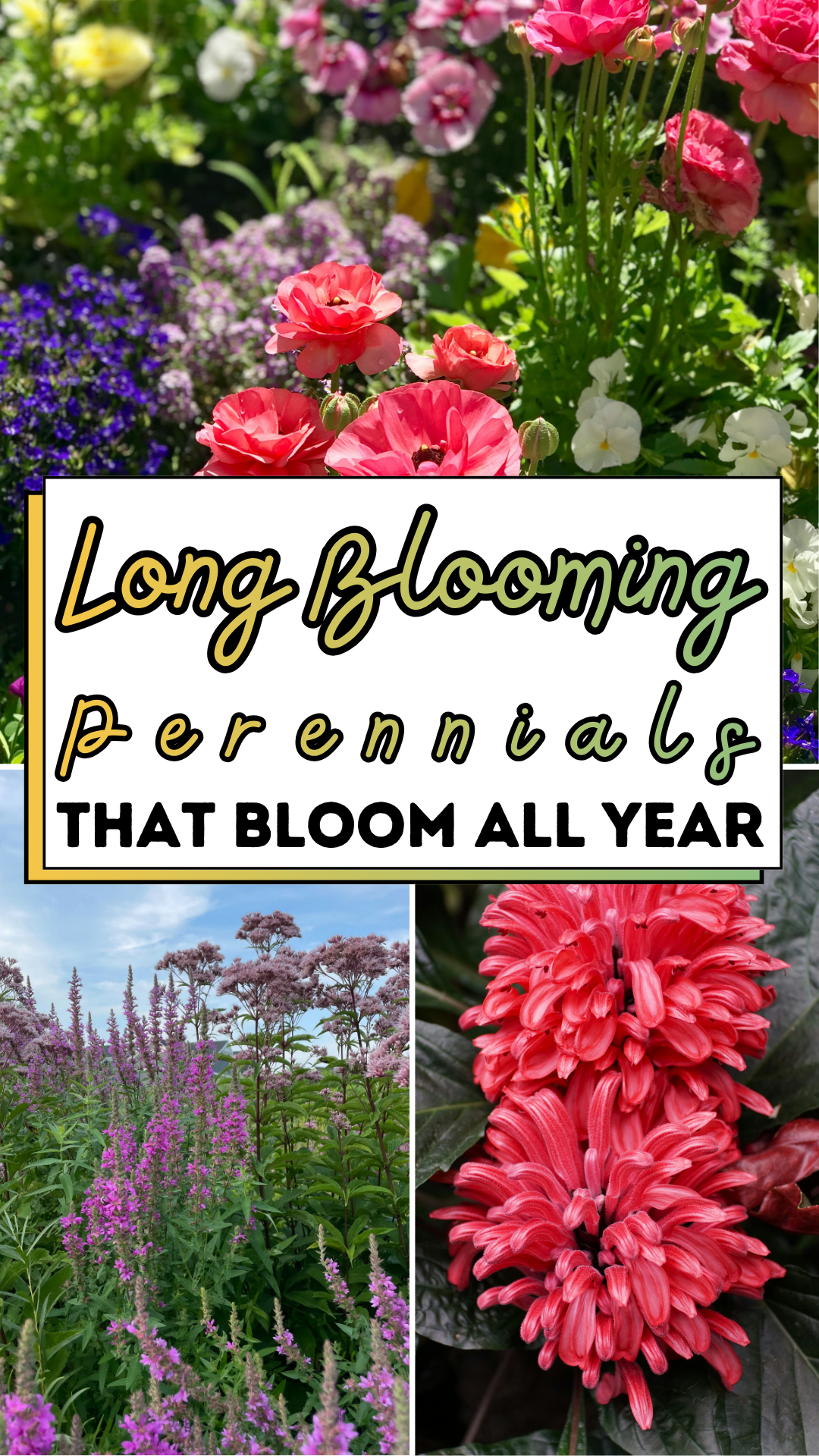
But imagine a different rhythm, one where the color does not just arrive and vanish. Picture a crisp afternoon when you step outside to find two vibrant coral-pink chrysanthemums in full bloom. Their petals are densely packed, with a layered effect that looks like hand-stitched silk. Positioned against a backdrop of glossy, dark green leaves, these blooms catch the light with a subtle sheen, standing tall and proud. This is the calm, high-definition reality of a garden built on consistency. When you choose the right long blooming perennials, you are not just planting a flower; you are installing a permanent piece of living art.
Transitioning to an Easy Peasy Life Matter philosophy means moving away from the “one-hit wonders” and embracing plants that work as hard as you do. By curating a space filled with long blooming perennials, you effectively stop the exhausting cycle of planting and pulling. You create a visual sanctuary that remains in sharp focus, offering a soft bokeh of natural beauty month after month. It is about simplifying your outdoor chores while maximizing your joy, turning a high-maintenance struggle into a reliable, year-round retreat that feels like a deep breath for your home.
The Long-Blooming Perennial System
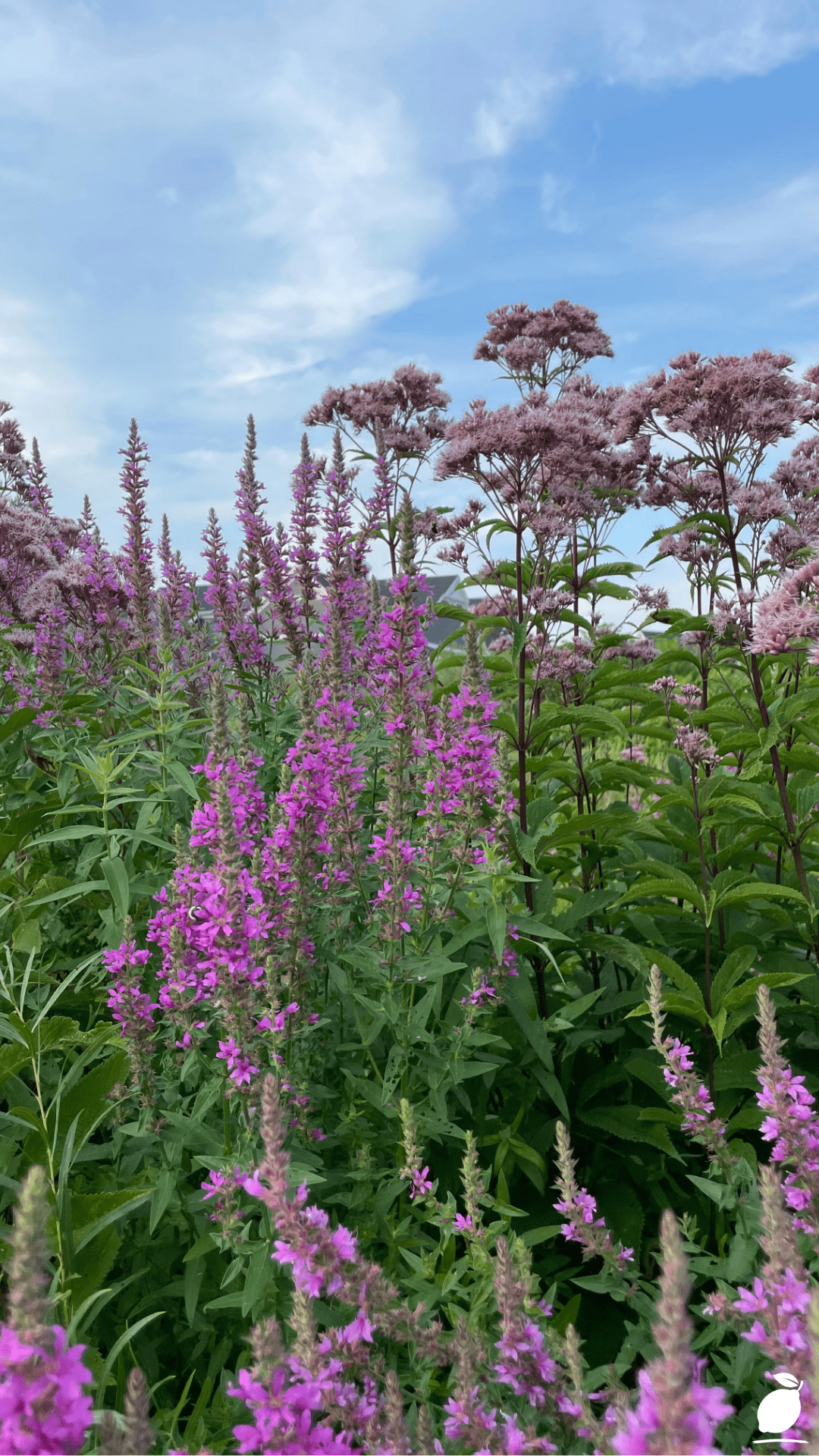
To achieve a garden that feels like it is constantly in bloom, you need more than just good soil; you need a strategic timeline. Use this three-step system to build a landscape that never hits the “off” switch.
Step 1: Prepare
Success starts with a soil audit. Because long blooming perennials will be living in the same spot for years, they need a “long-term lease” on high-quality nutrients. Before planting, mix in a generous amount of organic compost and a slow-release phosphorus-rich fertilizer to support continuous flowering. Check the drainage in your chosen area; most persistent bloomers hate “wet feet,” which can cause root rot and cut their blooming season short. Ensuring a well-draining foundation is the most important step in the Easy Peasy approach.
Step 2: Implement
When you are ready to plant, focus on “The Bloom Gap.” Most long blooming perennials have a peak season, so the secret to an “all year” look is overlapping your varieties. Plant early-season bloomers next to late-season stars like the coral chrysanthemums. Ensure you are following the spacing requirements on the plant tags. It is tempting to crowd them for an instant full look, but long-term bloomers need air circulation to prevent the powdery mildew that can stop a flowering cycle in its tracks.
Step 3: Maintain
The engine of a long-blooming garden is the “Deadhead Drive.” To keep the color coming, you must remove faded flowers before they go to seed. When a plant produces seeds, it tells itself that its job is done for the year. By snipping off the old blooms, you trick the plant into thinking it needs to try again, resulting in a fresh flush of petals. Additionally, a mid-season “haircut” trimming the plant back by a third in mid-summer can often trigger a second, massive wave of flowers that lasts well into the autumn.
The Secrets to Long-Blooming Perennials
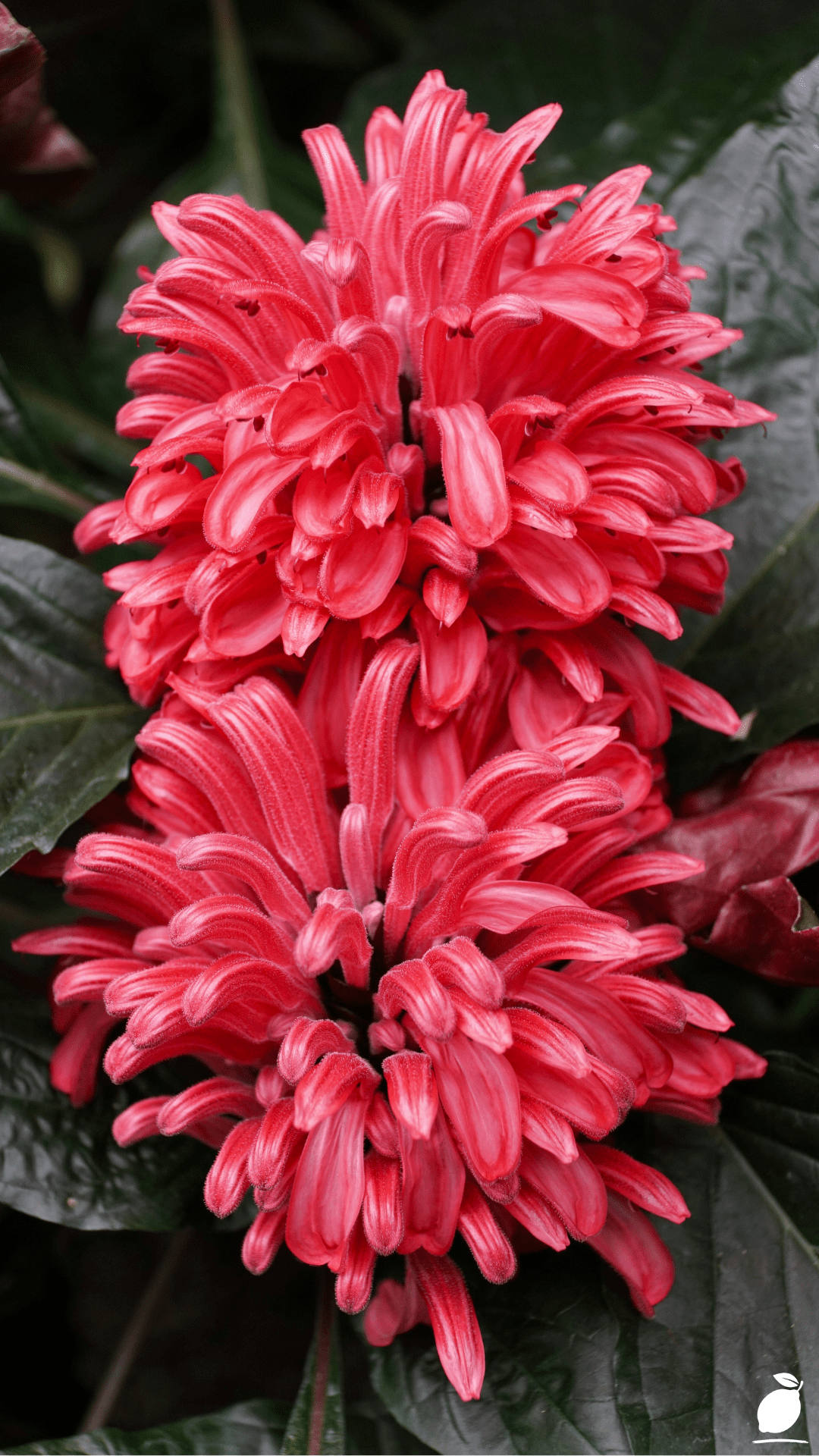
Achieving that professional, cinematic garden look requires a few expert maneuvers that go beyond the basic watering can.
Expert Pro-Tips
- Feed for Flowers, Not Leaves: Avoid high-nitrogen fertilizers once the plant has established its leaves. Nitrogen creates green growth, but phosphorus (the middle number on the bag) is what fuels those ruffles of coral-pink petals.
- Layer Your Mulch: Use a dark, organic mulch to help the soil retain moisture. This prevents the “stress cycles” that cause plants to drop their buds during a heatwave.
- The “Chelsea Chop”: For many long blooming perennials, cutting the stems back by half in late May will result in a bushier plant with twice as many flower heads, extending the show much longer than usual.
Common Mistakes to Avoid
- Forgetting the Water Schedule: Even the toughest long blooming perennials need consistent moisture to produce flowers. If the soil stays dry for too long, the plant will go into “survival mode” and stop blooming to save energy.
- Ignoring Sunlight Requirements: A “full sun” perennial planted in the shade will grow tall and leggy, producing more leaves than flowers. Match your plant’s light needs to the specific spot in your yard.
- Over-Fertilizing in Winter: Stop all feeding once the weather cools down. Forcing a plant to bloom when it should be resting can weaken its root system, making it less likely to return the following year strongly.
Why Long Blooming Perennials Matter
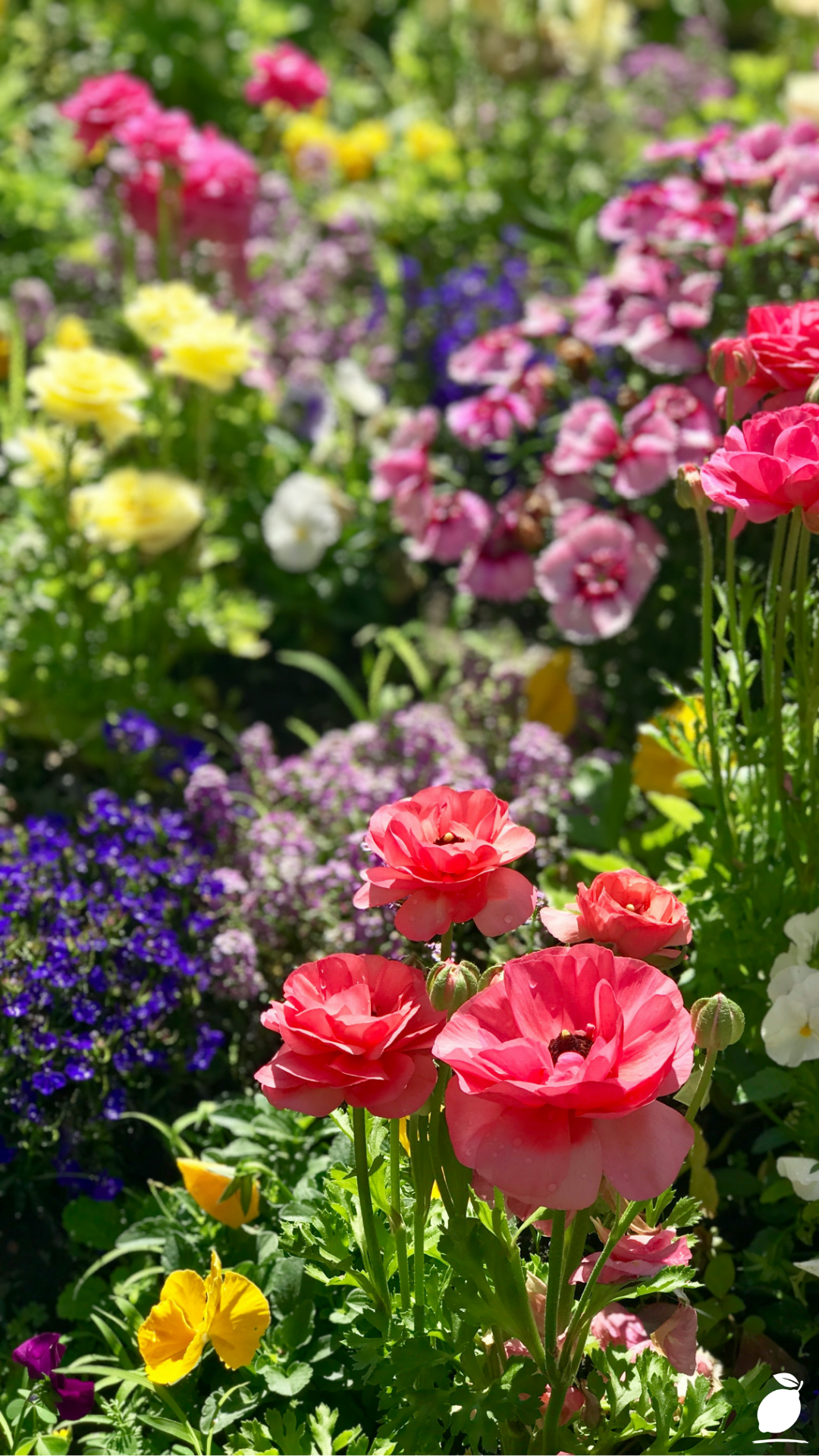
At Easy Peasy Life Matter, we believe that your environment is the silent architect of your mood. A garden that is constantly “failing” or looking brown is a subtle, persistent stressor. It represents a loss of control and a waste of resources. Conversely, a garden filled with long blooming perennials provides a sense of “Visual Reliability.”
When you look out and see those silky, coral-pink chrysanthemums month after month, your brain registers a signal of stability. This consistency is a powerful antidote to the chaos of modern life. It reduces the “mental load” of home maintenance, allowing you to focus your energy on the things that truly matter. Organizing your landscape to be self-sustaining is a form of self-care; it is an investment in a future where your home provides beauty without demanding a daily sacrifice of your time.
FAQ
Which long blooming perennials are best for beginners?
Chrysanthemums, Coneflowers (Echinacea), and Black-Eyed Susans are excellent choices. They are incredibly hardy, drought-tolerant once established, and provide color for months at a time with very little intervention.
Do I need to replant long blooming perennials every year?
No, that is the best part! Unlike annuals, long blooming perennials come back from the roots every year. While some may need a bit of maintenance or division every three to four years, they are a permanent investment in your landscape.
Can Long Blooming perennials really bloom “all year”?
While few plants bloom literally every day of the year in colder climates, the term refers to varieties that have an exceptionally long flowering window. By choosing a mix of early, mid, and late-season long blooming perennials, you can ensure there is always something vibrant and colorful in your garden from the first thaw to the first hard frost.