For years, the lawn was the standard. Every weekend, the mower came out, the edges got trimmed, the same patch of green got tamed back into submission, and then seven days later, you did it all again. It’s the kind of maintenance cycle that feels productive in the moment but quietly exhausting over time. You pour hours into a space that offers nothing back: no wildlife, no seasonal change, no color, no scent, no surprise. Just flat, uniform green demanding your Saturday mornings indefinitely. If you’ve ever stood at your back door on a summer afternoon and thought, there has to be a better way to do this you were right.
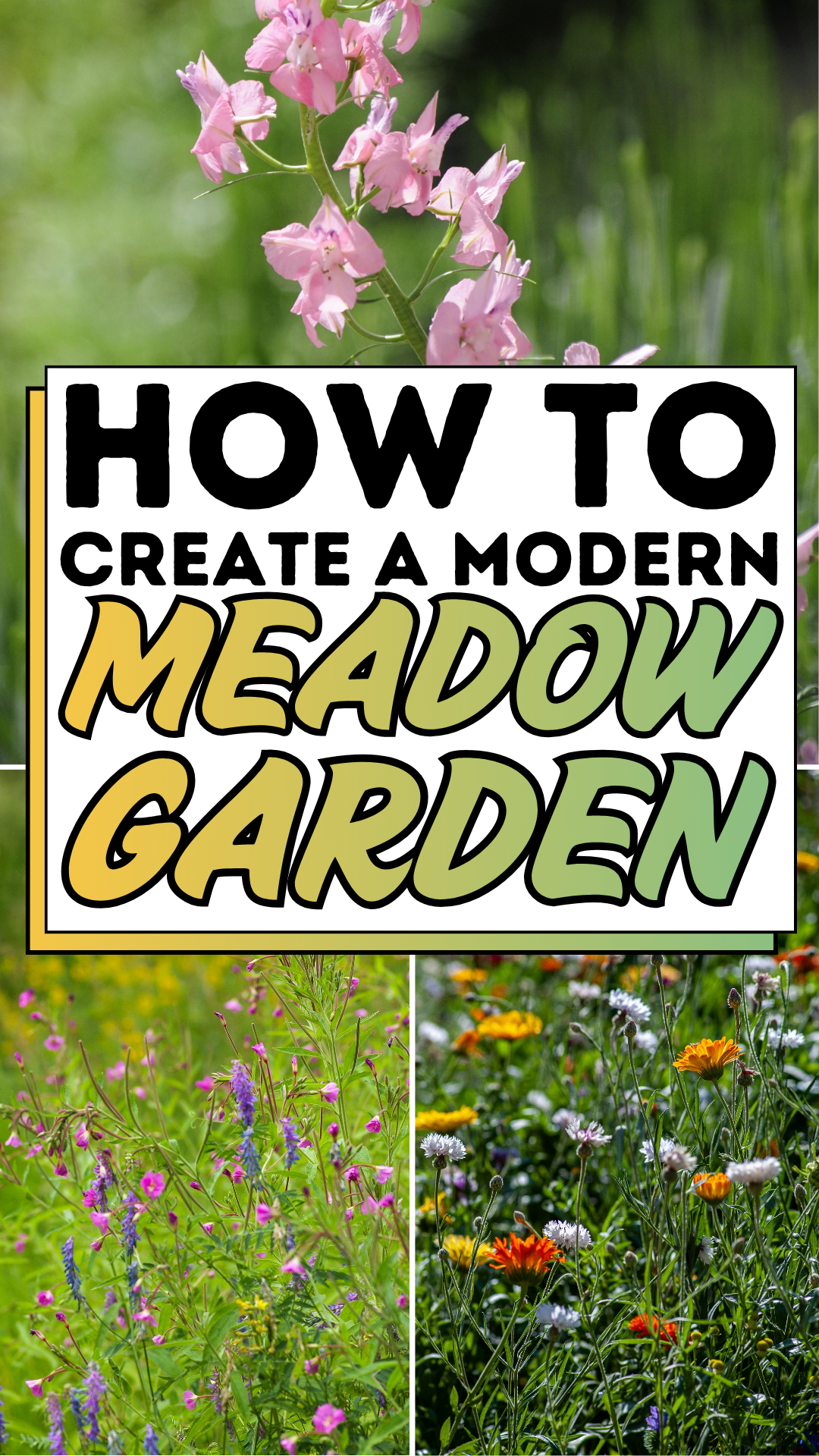
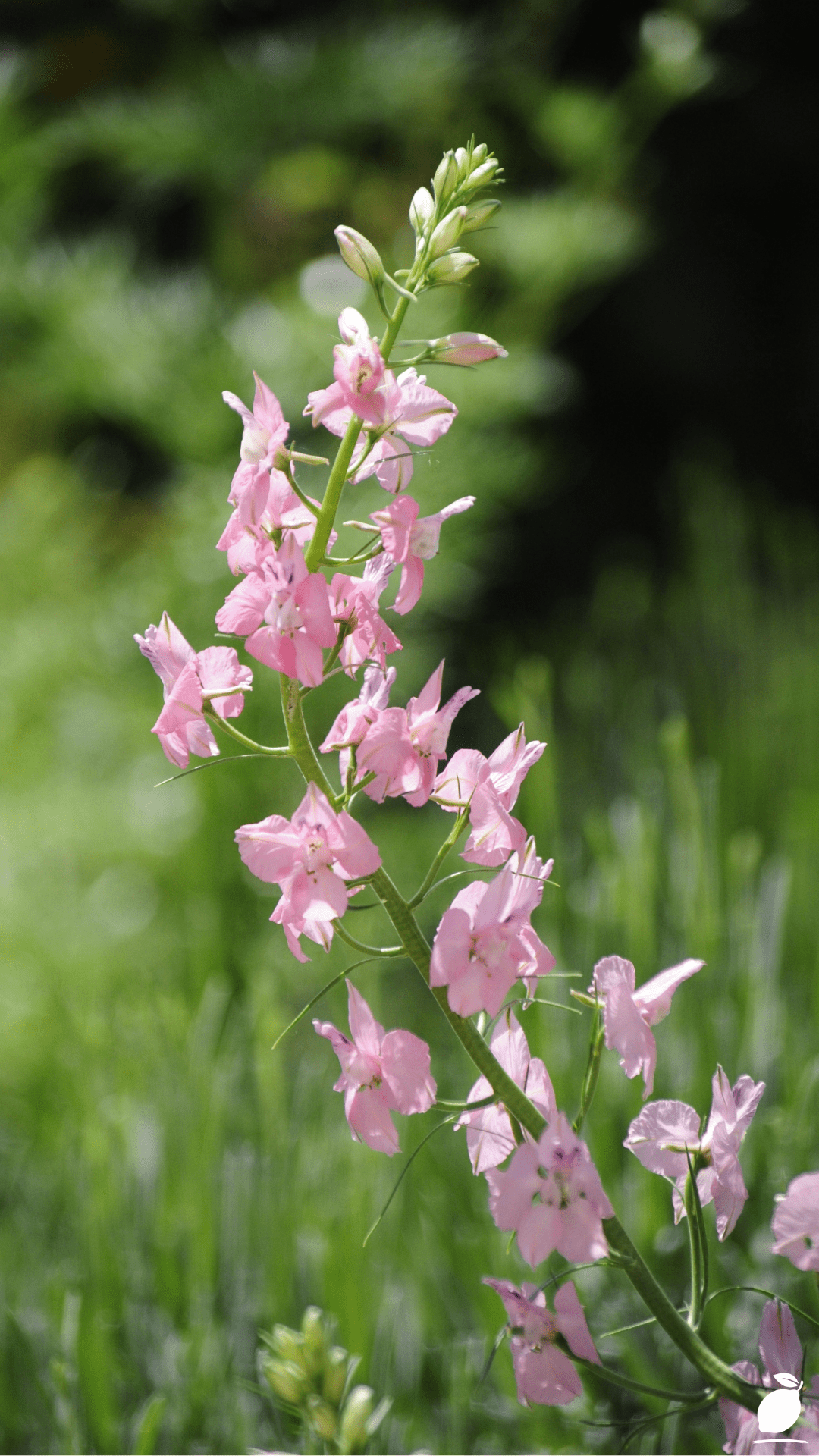
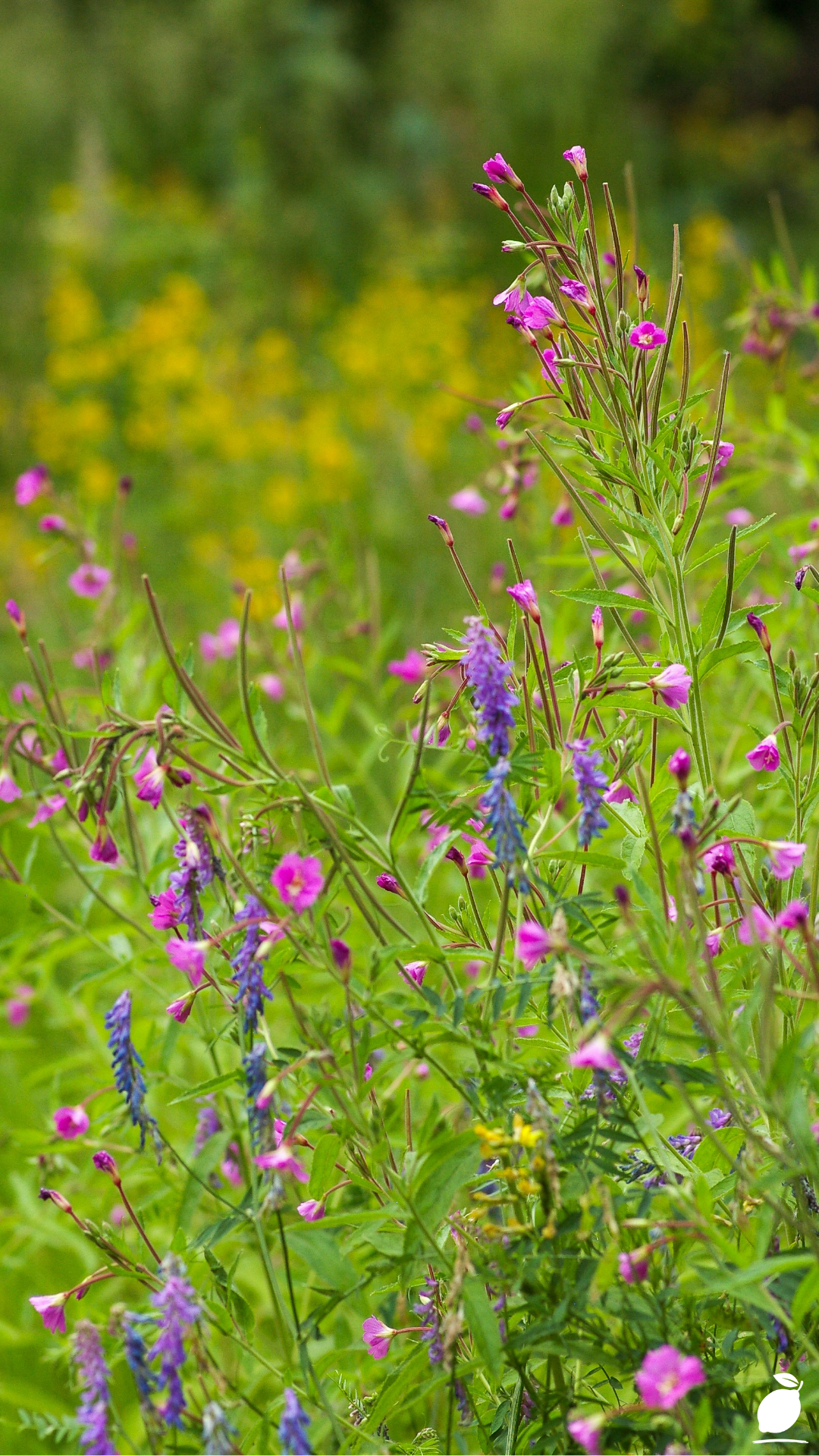
The image that inspired this post tells a completely different story. Purple lupines stretch upward in elegant vertical lines. Bright pink fireweed clusters catch the light between them. Behind it all, a dreamy soft-focus blur of yellow-green meadow stretches gently out of frame. It’s wild and intentional at the same time, effortlessly beautiful in the way that only nature, guided by a light hand, can be. This is a modern meadow garden: not a neglected patch of weeds, but a thoughtfully planted, low-maintenance ecosystem that works with your land instead of against it. The best part? It’s far more achievable than it looks.
Whether you have a sprawling back garden, a modest suburban yard, or even a long strip of ground beside a fence, a meadow garden can transform the way your outdoor space feels and the way you feel in it. This guide will walk you through every step of creating your own modern meadow garden, from soil preparation to plant selection, so that by next summer, your outdoor space is the kind of place you actually want to spend time in.
The Meadow Garden Blueprint
Step 1: Assess Your Space and Sun Exposure
Before buying a single seed packet, spend a week simply observing your garden. Note which areas receive full sun (six or more hours), partial sun, or full shade throughout the day. Traditional meadow gardens thrive in full to partial sun, so identify your sunniest patch as your primary planting zone. Also, assess your soil, is it heavy clay, sandy and free-draining, or somewhere in between? Meadow plants are generally tolerant, but knowing your baseline helps you choose species that will genuinely thrive rather than merely survive.
Step 2: Choose Between Seed and Plug Plants
This is one of the most consequential decisions in creating a meadow garden, and it’s entirely personal. Starting from seed is cost-effective and deeply rewarding, but it requires patience; most wildflower meadows seeded in autumn won’t reach their full glory until the second growing season. Plug plants (young, pre-grown plants ready to go into the ground) give you a faster, more controlled result and are ideal if you want impact within the first year. Many experienced meadow gardeners use a hybrid approach: plug plants for statement species and direct seeding for ground-cover and filler wildflowers.
Step 3: Prepare the Ground Properly
This step is where most beginners either skip ahead or give up, and it’s the single biggest predictor of meadow success. Wildflowers are not difficult to grow, but they hate competition from vigorous lawn grasses and perennial weeds. To prepare your ground: remove existing turf either by hand, by smothering with cardboard for several months, or by using a turf cutter for larger areas. Then, critically, reduce soil fertility. This sounds counterintuitive, but nutrient-rich soil encourages coarse grasses to outcompete your wildflowers. Scraping away the top layer of topsoil or adding horticultural sand to your planting area gives meadow species the lean, open conditions they love.
Step 4: Select Your Plant Palette
A modern meadow garden works best when it blends native wildflowers with ornamental species that mimic the wild aesthetic. Aim for a mix of grasses, short-season bloomers, and long-season perennials to create layered interest from spring through autumn. Prioritize plants with varying heights, bloom times, and textures so the meadow evolves through the seasons rather than peaking once and disappearing. See the plant guide below for specific recommendations that work beautifully together.
Step 5: Sow or Plant at the Right Time
Timing matters enormously. For seed, autumn sowing (September to November in most temperate climates) mimics nature’s own schedule, seeds stratify over winter and germinate energetically in spring. Spring sowing (March to May) also works but may produce slower, patchier results. For plug plants, late spring after the last frost is ideal. Avoid planting in midsummer heat or midwinter cold, as establishment stress during these periods significantly reduces survival rates.
Step 6: Establish a Minimal Maintenance Routine
One of the greatest joys of a meadow garden is how little it asks of you once established, but that first season does require some attentiveness. Water plug plants regularly for their first six weeks until roots are established. Hand-weed aggressively in year one, removing any coarse grasses or dock before they set seed. Resist the urge to tidy in autumn: standing seedheads and dried grasses provide critical overwintering habitat for insects and birds, and they look genuinely beautiful against frost and low winter light.
Step 7: Cut Once a Year and Repeat
The annual cut is the single most important maintenance task in meadow gardening, and it couldn’t be simpler. Once your meadow has finished flowering and set seed, typically late August to October, cut the entire area to approximately 10cm (4 inches) with a scythe, strimmer, or hired contractor. Remove all the cut material (leaving it would re-fertilize the soil). Then leave it alone until the following spring. That’s it. One cut per year. Compare that to your previous weekly mowing schedule and let the math speak for itself.
The Modern Meadow Plant Guide
Purple Lupine (Lupinus species)
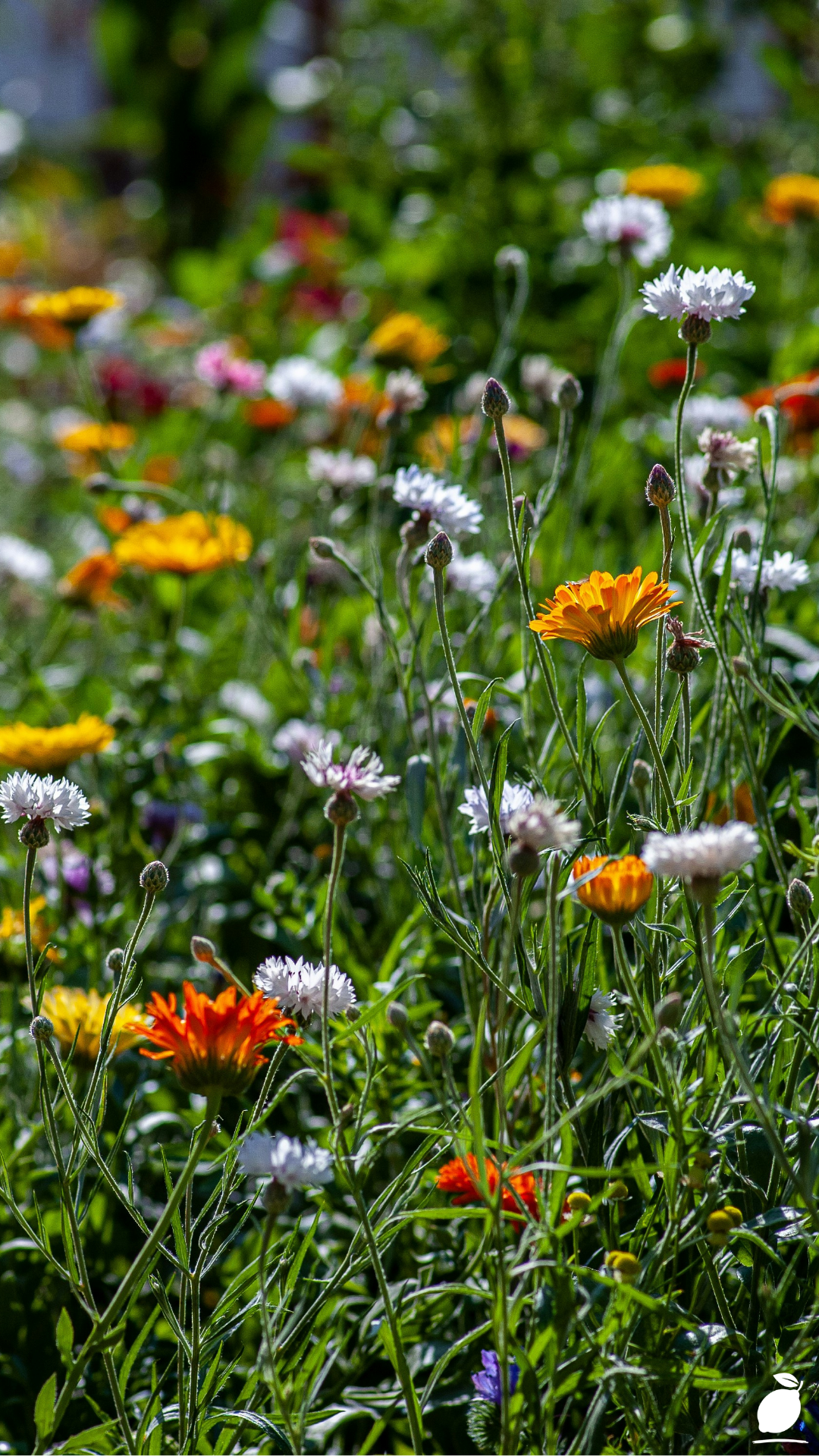
Why it works: Lupines are the vertical backbone of any meadow planting. Their tall, dramatic flower spikes in purple, pink, and white create strong structural lines that give a meadow its characteristic upright energy. They’re nitrogen-fixers too, quietly improving soil fertility for neighboring plants. Lupines bloom heavily in late spring and early summer, and self-seed reliably, meaning you plant them once, and they return year after year.
Fireweed (Chamerion angustifolium)
Why it works: As seen in our featured image, fireweed’s vivid pink blooms are among the most eye-catching of all wildflowers. It spreads enthusiastically via underground runners, filling gaps in the meadow with color from midsummer into autumn. Its tall stems and bright clusters create movement in the breeze, and it’s beloved by bumblebees. In autumn, the seed heads burst into silky white plumes that add a different kind of beauty to the late-season garden.
Ox-Eye Daisy (Leucanthemum vulgare)
Why it works: The classic meadow flower. Ox-eye daisies provide a clean white-and-yellow contrast that makes bolder colors like lupine and fireweed pop. They bloom profusely in early summer, tolerate poor soils exceptionally well, and attract an impressive range of pollinators. Their cheerful simplicity is the visual anchor that keeps even the most exuberant meadow planting from feeling chaotic.
Field Scabious (Knautia arvensis)
Why it works: Scabious produces delicate, lavender-blue pincushion flowers on long, wiry stems from midsummer well into autumn, making it one of the most valuable long-season bloomers in any meadow palette. It bridges the color gap between the purples and pinks, and it’s a magnet for butterflies, particularly skippers and fritillaries. As a bonus, it tolerates chalky, alkaline soils where many other wildflowers struggle.
Quaking Grass (Briza media)
Why it works: Every meadow needs grasses, and quaking grass is the most charming of all. Its heart-shaped seed heads tremble at the slightest breeze, creating a subtle, animated quality that no flowering plant can replicate. It stays relatively compact, works beautifully as a filler between taller flowering species, and turns a warm golden tan in autumn that extends the meadow’s visual interest deep into the colder months.
Yellow Rattle (Rhinanthus minor)
Why it works: This one is a secret weapon. Yellow rattle is a semi-parasitic annual that attaches to the roots of vigorous grasses and weakens them, deliberately reducing grass competition and opening up space for wildflowers to establish. Seeding yellow rattle into an existing grassy area is one of the most effective long-term strategies for converting a lawn into a wildflower meadow without heavy ground preparation. It’s also a pretty little plant in its own right, with small yellow hooded flowers loved by bumblebees.
Expert Secrets for Success
Pro-Tips for Better Results
Layer your bloom times deliberately. Map out when each of your chosen plants flowers before you plant, and make sure you have species blooming in spring, midsummer, late summer, and early autumn. A meadow that peaks in June and fades by July misses the richest months of the garden year. Aim for continuous interest from April through October.
Introduce a mown path. One of the most visually effective and practically useful additions to any meadow garden is a narrow mown grass path winding through the planted area. It signals intentionality, immediately communicating to visitors (and neighbors) that this is a designed garden, not an abandoned one, and it gives you access to enjoy the space up close without trampling plants.
Buy from specialist nurseries. Generic garden center wildflower mixes are often poorly matched to local conditions and may include cultivated varieties that don’t support native pollinators as effectively as true wildflower species. Seek out reputable wildflower nurseries and seed suppliers who specify provenance and native status. The investment is modest; the difference in results is significant.
Take photographs monthly. A meadow garden changes more dramatically month-to-month than almost any other garden style. Documenting it photographically not only helps you track what’s working but builds a record you’ll want to return to year after year as the planting matures and evolves.
Common Mistakes to Avoid
Don’t plant into unprepared, fertile soil. Skipping ground preparation and sowing seeds directly into your existing lawn will almost always result in disappointment. Vigorous lawn grasses outcompete wildflower seedlings so effectively that most never establish at all. The preparation stage is non-negotiable if you want a genuine meadow rather than a weedy lawn.
Don’t cut too early. Cutting your meadow in July because it looks “finished” removes the setting seed that drives next year’s display. Patience through the late-season shaggy phase is rewarded the following spring when the meadow re-emerges denser and more floriferous than the year before.
Don’t expect instant results. A modern meadow garden is a living system, and living systems take time to establish. Year one often looks sparse and patchy. Year two looks considerably better. Year three is typically when visitors start asking how you did it. Commit to the timeline and resist the urge to intervene with fertilizers or extra watering that will upset the lean-soil balance you worked to create.
Don’t underestimate the perimeter. A tidy border, a clean-edged lawn, a neat fence line, and a clipped hedge around your meadow area signal design intent and prevent the space from appearing neglected to less-botanically-minded neighbors. The wilder the interior, the crisper the boundary should be.
Why Meadow Garden Matters
There’s a tiredness that settles into weekends dominated by maintenance tasks, the kind of bone-deep depletion that comes not from hard work but from purposeless work. Mowing the same patch of grass, watering plants that offer nothing back, trimming edges that will need trimming again in a week. It accumulates quietly, this sense of your outdoor space being something to manage rather than something to enjoy, until the garden starts to feel like one more item on an already overwhelming list.
A meadow garden inverts that relationship completely. It asks less of you with each passing year, not more. It rewards patience rather than punishing it. It fills with sound bees, grasshoppers, birds, and with the particular quality of aliveness that a monoculture lawn simply cannot generate. Research consistently shows that exposure to biodiverse natural environments reduces cortisol levels, improves attention, and lifts mood more effectively than time spent in manicured or artificial spaces. When you plant a meadow garden, you’re not just changing your garden. You’re changing what your weekends feel like.
And for families, the meadow garden offers something even more valuable than beauty or biodiversity: it offers a space that invites curiosity. Children who grow up around wildflowers develop attention to the natural world, the ability to notice the first bee of spring, to recognize a butterfly species, and to understand that land can be generous when you work with it rather than against it. Easy Peasy Life Matters is rooted in the belief that small, intentional choices compound into lives that feel more whole. Creating a meadow garden is one of those choices.
Frequently Asked Questions
How long does it take for a meadow garden to establish?
Most meadow gardens begin to show real character in their second growing season, with full establishment typically achieved by year three. Annual wildflowers will bloom in their first season if sown at the right time, but perennial species, the ones that form the long-term backbone of the meadow, need a full growing season to put down roots before they flower. The patient gardener is always rewarded.
Can I create a meadow garden in a small yard?
Absolutely. Even a 10-square-meter strip alongside a path or fence can support a genuinely beautiful and wildlife-rich meadow planting. In smaller spaces, the key is edited plant selection, choose three to five compatible species rather than a broad mix, and focus on ones with varying heights and bloom times. A small meadow that’s well-planted outperforms a large meadow that’s been haphazardly seeded every time.
Do I need to water a meadow garden?
Once established, typically after the first full growing season, meadow gardens are largely self-sufficient and require little to no supplemental irrigation in most temperate climates. Their drought tolerance is one of their greatest practical virtues. In the establishment phase, water plug plants weekly for six to eight weeks. After that, let rainfall do the work. Overwatering mature meadow plants encourages the lush, leafy growth that weakens their natural resilience.
Will my neighbors complain about a meadow garden?
This concern is more common than it needs to be, and two simple strategies address it effectively. First, install a crisp, maintained border or path that visually frames the meadow and communicates design intent. Second, add a small sign “Wildflower Conservation Planting” or similar, which both educates passersby and signals deliberate stewardship. Most objections dissolve when neighbors see the space in full summer bloom. A few become converts.
What’s the difference between a wildflower meadow and a modern meadow garden?
A traditional wildflower meadow prioritizes purely native species for maximum ecological value. It’s a conservation-focused approach. A modern meadow garden blends native wildflowers with ornamental species that mimic the wild aesthetic, giving you greater design control over color, height, and seasonal interest while still supporting pollinators and reducing maintenance. Both are valuable; the modern meadow simply places slightly more emphasis on visual intentionality alongside ecological benefit.
Is a meadow garden suitable for clay soil?
Yes, with some amendment. Heavy clay soils retain moisture, which many meadow plants appreciate, but they can become waterlogged in winter and baked hard in summer, both of which stress wildflower roots. Improve clay soil by incorporating horticultural grit or coarse sand before planting, and consider raising the planting area slightly to improve drainage. Species like ragged robin, meadowsweet, and purple loosestrife actually prefer slightly moister conditions and will thrive in clay where drier-loving species struggle.