You brought it home because it was stunning. Those deep green leaves with their bold white veining, the glossy surface catching the light just so it looked like something out of a botanical illustration, and it was going to be the perfect living centerpiece for your shelf, your desk, your bedroom corner. For a week or two, it was everything you hoped. Then the edges started to go. Crispy brown tips crept inward along the leaf margins, and no matter what you did, more water, less water, moving it closer to the window, moving it further away, the browning kept spreading. That beautiful, architectural plant started looking like it was slowly giving up, and so, quietly, were you.
Calathea leaves browning is one of the most common and most misunderstood problems in indoor plant keeping. It’s the kind of issue that makes people feel like they’ve failed, when in reality the plant is simply communicating very specifically that one or two conditions in its environment aren’t quite right. Calatheas are expressive plants. Their leaves move toward light in the morning and fold upward at night.
They respond to their surroundings with a sensitivity that most houseplants don’t have. That same sensitivity that makes them so visually extraordinary is what makes them quick to show distress. But distress is not the same as disaster, and once you understand what your Calathea is actually telling you, fixing it is genuinely straightforward.
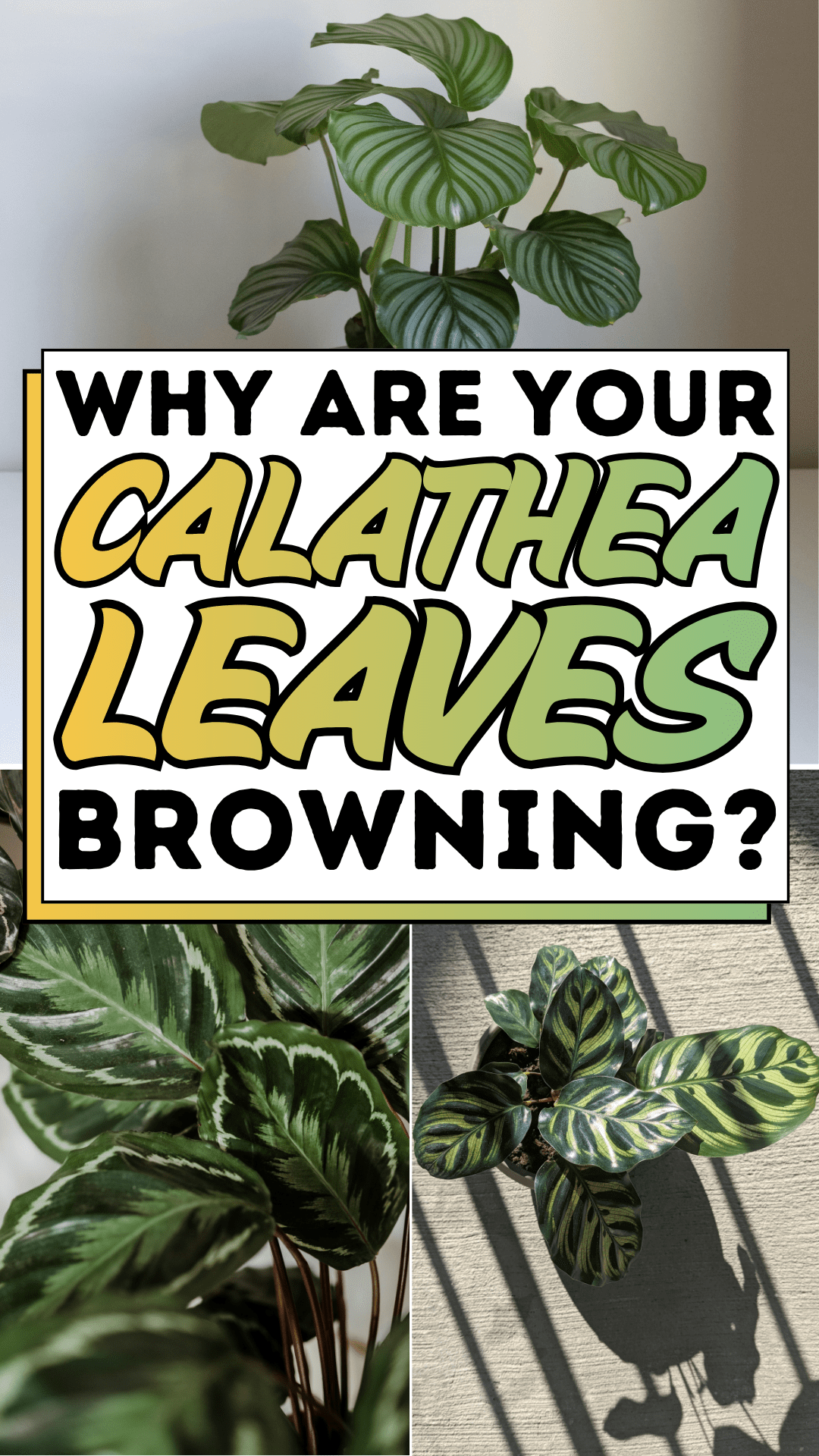
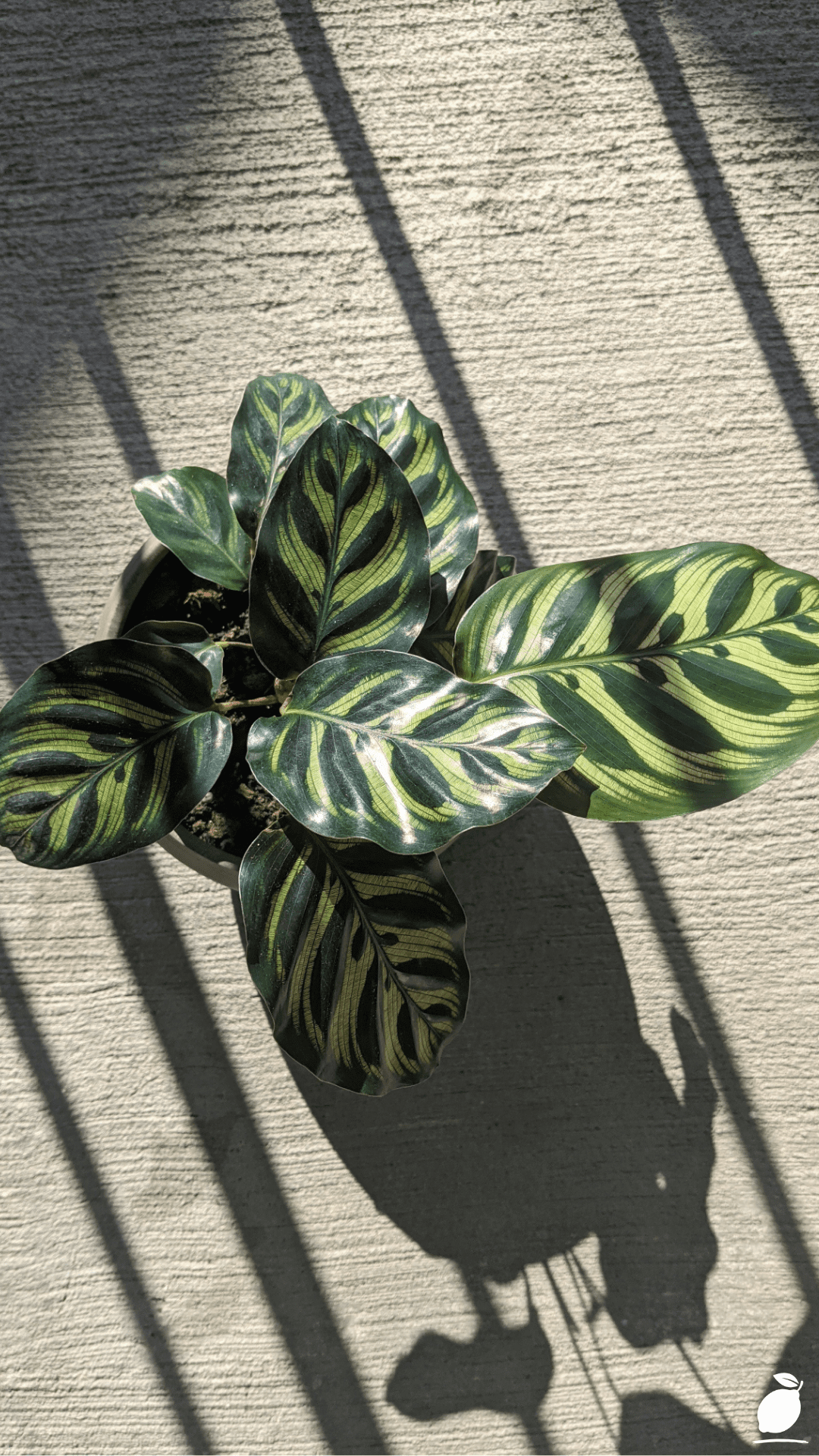
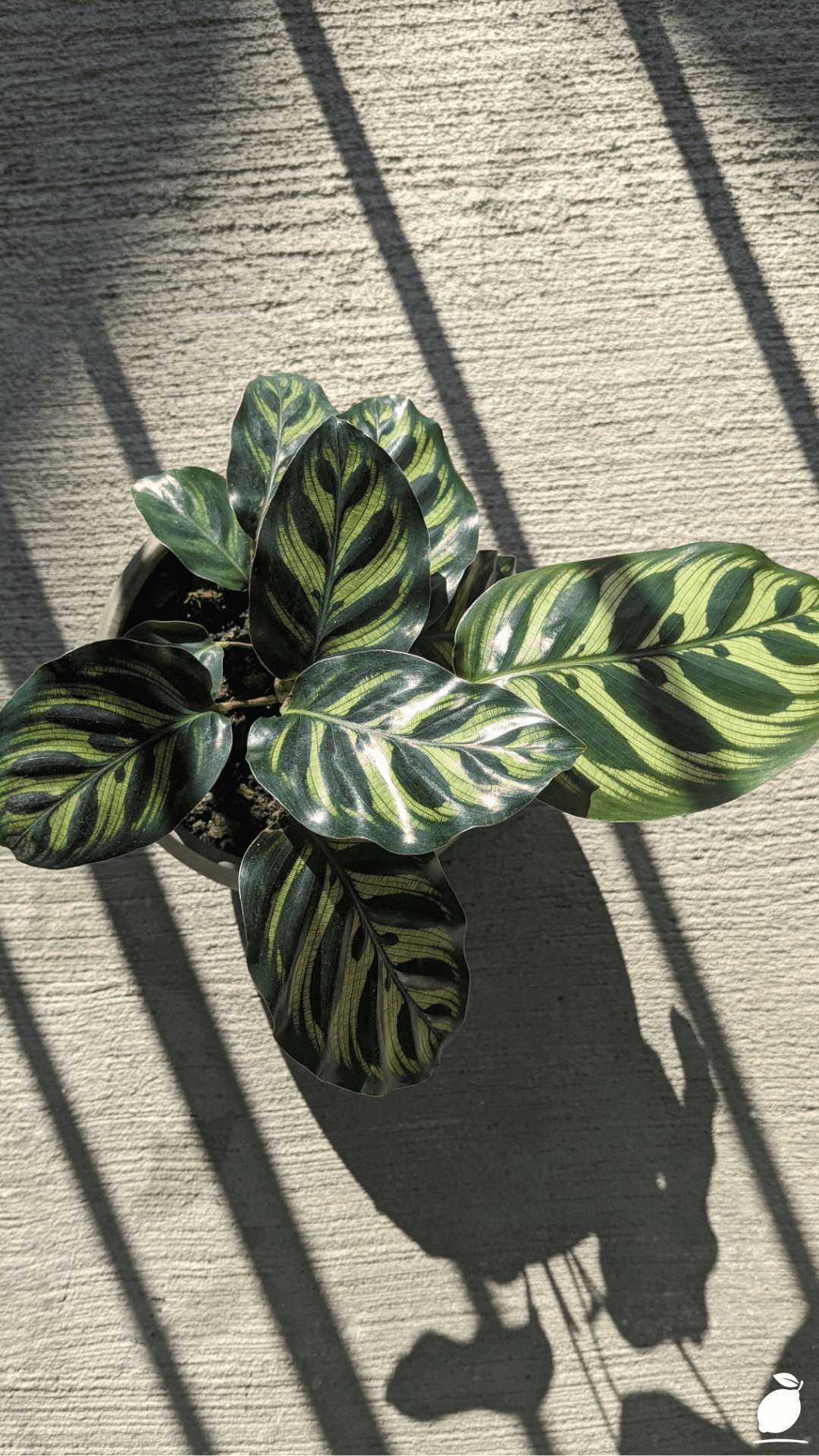
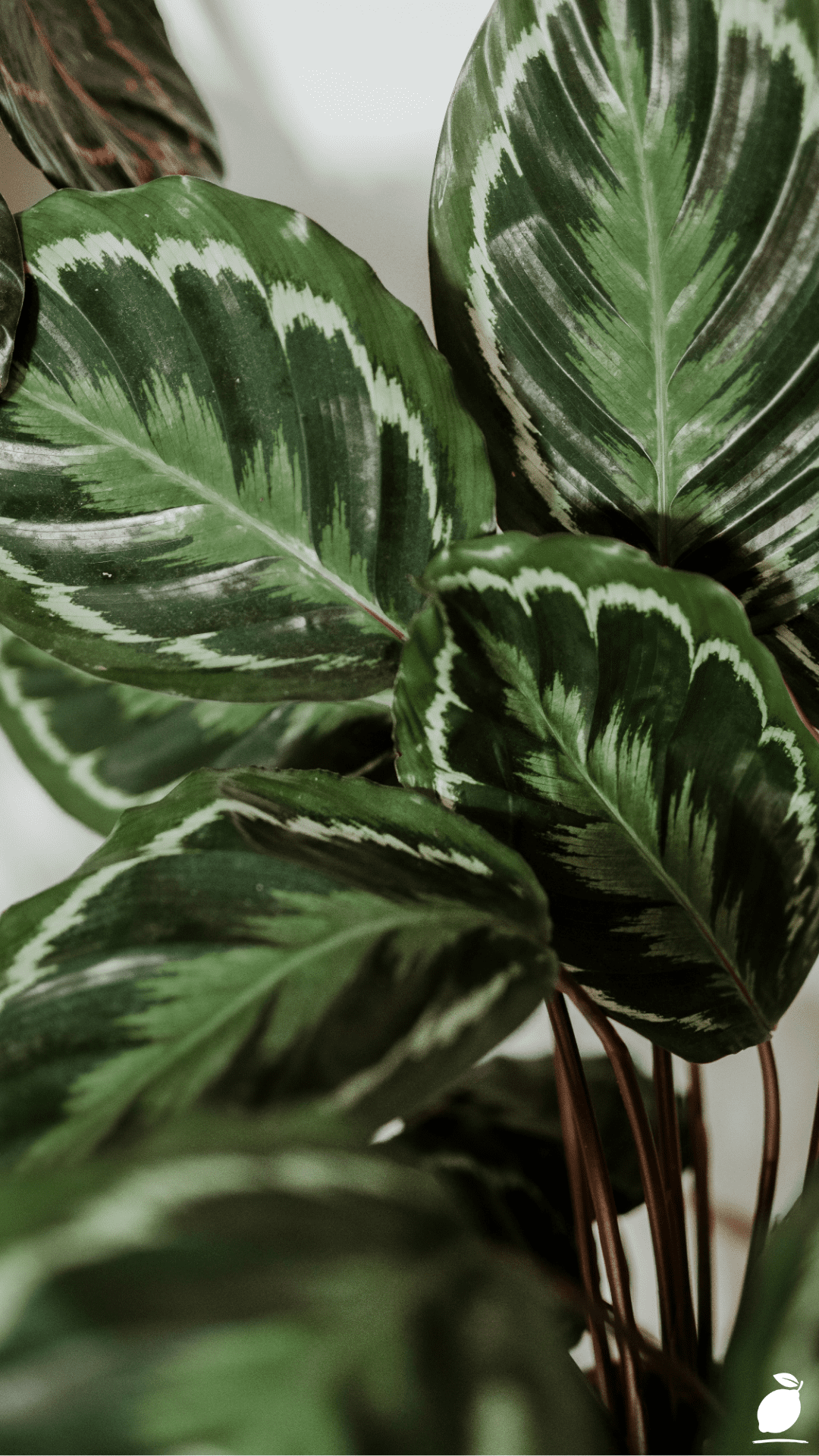
The lush, glossy, perfectly patterned leaves in the image above represent what a healthy, well-cared-for Calathea actually looks like: deep color, clean edges, prominent veining without a single brown tip in sight. That’s not an unattainable ideal. It’s simply the result of matching the plant’s specific needs to its environment. This guide breaks down every cause of Calathea leaves browning, from the most common to the most overlooked, and gives you the exact steps to bring your plant back to its best and keep it there.
The Calathea Leaves Browning Guide
Water Quality: The Most Overlooked Cause
Why it works to fix this first: Calatheas are exceptionally sensitive to the minerals, fluoride, and chlorine found in standard tap water, far more so than most other houseplants. When these compounds accumulate in the soil and are absorbed into the leaf tissue, the result is the classic Calathea leaves browning pattern: crispy, brown-tipped edges that frustrate so many owners. The damage begins at the leaf tips because that’s where water travels last and where mineral concentrations are highest.
The fix is simple but requires consistency: switch to filtered water, rainwater collected from a clean source, or tap water that has been left uncovered in a jug for at least 24 hours to allow chlorine to off-gas. Many plant owners who make this single change report a dramatic improvement within a few weeks, with new growth coming in clean and the browning halted on existing leaves. Use room-temperature water, cold water shocks tropical root systems, and compounds stress.
Humidity Levels: What Calatheas Actually Need
Why it works to fix this: Calatheas are native to the tropical rainforests of South America, where humidity levels regularly exceed 70 to 80 percent. The average home sits somewhere between 30 and 50 percent humidity, enough for most houseplants, but chronically dry for a Calathea. Low humidity is the second most common driver of Calathea leaves browning, and it mimics water quality damage almost exactly: edges and tips go brown and crispy, curling inward across the leaf surface.
The solution isn’t misting, which provides only a few minutes of surface moisture and can promote fungal issues if water sits on leaves in low-airflow environments. Instead, group your Calathea with other humidity-loving plants to create a localized microclimate, place the pot on a pebble tray filled with water (ensuring the pot base sits above, not in, the water), or invest in a compact cool-mist humidifier near your plant cluster. Consistent ambient humidity of 50 to 60 percent is enough to see a significant improvement.
Watering Frequency: The Balance Between Too Much and Too Little
Why it works to fix this: Calatheas need consistently moist but never soggy soil. Both overwatering and underwatering produce browning, though in slightly different patterns. Underwatering tends to cause dry, papery Calathea leaves browning at tips and edges; overwatering produces softer, yellowing leaves that often start further into the leaf and may be accompanied by wilting or mushy stems near the soil line.
Check soil moisture by inserting your finger approximately two centimeters into the potting mix. Water thoroughly when the top layer is dry to the touch, but the soil below still holds faint moisture. In winter, when growth slows and evaporation decreases, reduce watering frequency by roughly a third. Always water deeply until water runs from the drainage hole rather than lightly and frequently, which encourages shallow root growth and uneven moisture distribution.
Light Conditions: Bright but Indirect Is Non-Negotiable
Why it works to fix this: Direct sunlight is one of the fastest ways to trigger widespread browning of Calathea leaves. Unlike many houseplants that will tolerate a few hours of direct sun, Calatheas evolved under dense forest canopies and have almost no tolerance for harsh, direct light. Sun-scorched browning appears as large, bleached, or tan patches across the middle of the leaf surface rather than just at the edges, a distinguishing characteristic that helps diagnose this cause.
Calatheas thrive in bright, indirect light positioned near an east-facing window, or set back from a south or west-facing window where curtains or blinds diffuse the light. They can tolerate lower light than most tropical plants, though very dark corners will slow growth and deepen the colors rather than cause browning. If you’re seeing Calathea leaves browning as center-leaf patches, and your plant sits near a south or west window, moving it back or adding a sheer curtain is often all that’s needed.
Root Bound Stress and Soil Degradation
Why it works to fix this: Calatheas are not aggressive rooters, but when a plant becomes significantly pot-bound, roots circling tightly and filling all available soil space, its ability to take up water and nutrients is compromised. A compacted, exhausted potting mix that has broken down into a dense, poorly aerated mass causes similar stress, preventing oxygen from reaching roots and reducing the soil’s moisture regulation. Both conditions contribute to Calathea leaves browning through nutrient deficiency and water stress, even when surface-level care appears correct.
Repot your Calathea every one to two years into fresh, well-draining potting mix. A blend of standard houseplant compost with added perlite or orchid bark works well. Choose a pot only one size larger than the current one; oversized pots hold excess moisture and dramatically increase the risk of root rot. Spring is the ideal time to repot, as the plant enters its active growing season.
Temperature Fluctuations and Cold Drafts
Why it works to fix this: Sudden temperature drops, cold drafts from windows or air conditioning vents, and exposure to temperatures below 15°C (59°F) cause rapid cellular damage, often in the most dramatic form of Calathea leaves browning, appearing as widespread patches across multiple leaves simultaneously. This type of browning is distinguishable by its speed: a plant that looked fine yesterday, developing significant brown areas overnight, is almost always a temperature or cold air response.
Keep Calatheas away from exterior doors, drafty window frames, and air conditioning units. The ideal temperature range is 18 to 27°C (65 to 80°F), with consistency being as important as the specific number. Calatheas respond very poorly to fluctuation, even within otherwise acceptable ranges, so avoid positioning them near heating vents that cycle on and off, which creates repeated thermal stress.
Expert Secrets for Success
Pro-Tips for Better Results
Diagnose before you treat. The most common mistake Calathea owners make when dealing with Calathea leaves browning is treating symptoms without identifying the cause. Brown tips from water quality require a completely different response than brown patches from direct sun. Before changing anything, examine where the browning starts, what pattern it takes, and what environmental changes preceded it. A correct diagnosis followed by a single targeted change will always outperform multiple simultaneous interventions.
Use the shower method for deep cleaning and watering. Once a month, move your Calathea to the shower and rinse the leaves gently with lukewarm water while watering the soil deeply. This removes accumulated dust from the leaf surface (which reduces the plant’s ability to photosynthesize), flushes mineral salts from the soil that contribute to Calathea leaves browning over time, and provides a brief humidity boost. It’s one of the highest-return, lowest-effort maintenance habits for tropical houseplants.
Wipe leaves with a damp cloth, not leaf shine products. Commercial leaf shine sprays clog the microscopic pores on Calathea leaves and reduce gas exchange. A soft, damp cloth is all you need to restore that glossy, healthy sheen, and your plant will function better for it.
Trim brown edges with clean scissors. Existing brown areas will not revert to green, but you can follow the natural leaf shape with clean scissors to remove damaged tissue neatly. This is purely cosmetic but matters for the plant’s overall presentation and helps you track whether new growth is coming in healthy after you’ve resolved the Calathea leaves browning at their source.
Common Mistakes to Avoid
Don’t mist as your primary humidity strategy. Misting is one of the most commonly recommended but least effective humidity solutions for Calatheas. It provides only momentary surface moisture, and if water sits on leaves in still air, it can promote fungal leaf spot. Invest in a pebble tray or small humidifier; both deliver sustained humidity rather than a brief surface wetting.
Don’t repot into a significantly larger container. When moving up pot sizes, the instinct is often to give the plant plenty of room to grow. For Calatheas, excess soil volume holds water long after the roots have taken what they need, creating chronically wet conditions that lead to root rot. Always go one pot size up, roughly 5cm wider in diameter, not two or three.
Don’t fertilize a stressed plant. If your Calathea is already showing significant Calathea leaves browning, adding fertilizer will worsen rather than help the situation. Fertilizer salts further stress already compromised roots and soil. Stabilize the plant’s environment first, allow two to three weeks of recovery, and only then introduce a diluted, balanced liquid fertilizer during the growing season.
Don’t assume more care means better care. Calatheas suffer as much from over-attention as from neglect. Frequent soil disturbance, repeated repotting, and constantly adjusting the plant’s position disrupt the stability these tropical plants depend on. Make one change at a time, give the plant several weeks to respond, and then reassess. Patience and consistency beat intensity every time.
Why Calathea Leaves Browning Matters
There’s something disproportionately defeating about a struggling houseplant. It sounds small, it’s just a plant, after all, but for many people, indoor plants represent something much larger: an attempt to bring life, calm, and natural beauty into a home that can sometimes feel overwhelmingly dominated by screens, schedules, and stress. When Calathea leaves, browning starts creeping across your favorite plant; it can feel like yet another thing slipping out of your control. And that feeling, stacked on top of everything else, is heavier than it should be.
What research in environmental psychology consistently shows is that thriving indoor plants genuinely improve their inhabitants’ wellbeing, not just aesthetically but physiologically. Being around healthy green plants reduces blood pressure, lowers stress hormone levels, and improves concentration and mood.
A Calathea with its vividly patterned leaves, its gentle daily movement toward the light, and its evident aliveness is actively contributing to the atmosphere of your home in ways that go beyond decoration. Calathea leaves browning disrupts that contribution; when the plant struggles, something in the room’s quality shifts. When it thrives, the space feels more alive, more cared for, more like a place that sustains you.
Easy Peasy Life Matters is about finding the simple, intentional solutions that make daily life feel less like a series of problems to manage and more like a life you’ve genuinely built. Understanding why your Calathea leaves are browning, and knowing exactly how to fix it, is one of those small acts of competence that compound. A plant that’s returned to health. A corner of your home that looks and feels exactly the way you imagined it. That quiet satisfaction, that’s what we’re here for.
Frequently Asked Questions
Can brown Calathea leaves turn green again?
No, once leaf tissue has browned, the damage is permanent in that area. However, the plant absolutely can produce healthy new growth once the underlying issue is corrected. When Calathea leaves, browning stops appearing on incoming growth; that’s your confirmation that the fix has worked. Trim brown edges neatly following the leaf’s natural shape, address the root cause, and monitor new leaves closely. Healthy new growth with clean, undamaged edges confirms your intervention has worked.
How often should I water my Calathea?
Most Calatheas in average home conditions need watering every seven to ten days in spring and summer, and every ten to fourteen days in autumn and winter. However, frequency should always be guided by soil moisture rather than a calendar. The top 2cm of soil should be dry before you water again. Factors like pot size, potting mix composition, humidity, and season all influence the ideal interval significantly.
Is tap water really that damaging to Calatheas?
For many Calatheas, yes. Tap water in hard water areas contains calcium, magnesium, chlorine, and fluoride at levels that can cause visible Calathea leaves browning, specifically at the tips and edges over time. The effect is cumulative; you may not see damage immediately, but after several months of tap water use, mineral buildup in the soil reaches a level the plant can no longer tolerate. Switching to filtered or collected rainwater and flushing the soil periodically makes a measurable difference.
Why do my Calathea’s leaves curl?
Leaf curling in Calatheas is typically a response to either underwatering or low humidity. The plant rolls its leaves inward to reduce surface area and conserve moisture. It’s distinct from Calathea leaves browning, but it often occurs alongside it as both issues share the same root causes. If curling appears, check soil moisture and ambient humidity before adjusting watering. Adding water to already moist but poorly-humidified soil won’t solve a humidity problem and may create overwatering stress.
Should I cut off brown Calathea leaves entirely?
Remove a leaf entirely only if it is more than 50 percent damaged by Calathea leaves browning, as healthy green tissue still performs photosynthesis and supports the plant’s overall energy budget. For partially browned leaves, trim only the damaged area with clean, sharp scissors, following the natural leaf contour as closely as possible. Sterilize scissors between plants to prevent the spread of any potential fungal issues.
Are Calatheas safe for pets and children?
Yes, Calatheas are non-toxic to cats, dogs, and humans, making them one of the most family-friendly choices in the tropical houseplant category. This is one of the reasons they’re so popular as indoor plants despite their slightly demanding care requirements. You can place them freely throughout your home without concern for curious pets or small children.