Every spring, it starts with good intentions and a trip to the garden center. You come home with a flat of annuals, a bag of potting mix, and the firm conviction that this will be the year your patio finally looks like something out of a magazine. You fill the pots. You water. You wait. And then, somewhere around July, you look out at a collection of stiff, upright plants sitting awkwardly in containers that look more like they belong in a parking lot than a garden, no softness, no movement, no sense that anything is flowing or alive. Flat. Disappointing. Nothing like the vision in your head
The problem, more often than not, is not the effort or the care you put in. It is the plant selection. Most gardeners default to upright varieties that fill a pot but do nothing with the space below and beyond it. They add volume without adding character. They grow up without spilling over, and that spilling-over, that generous, soft tumble of blooms over the edge of a pot or basket, is exactly what separates a container that stops people in their tracks from one that simply exists. It is a design element most people do not even know they are missing until they see it done right.
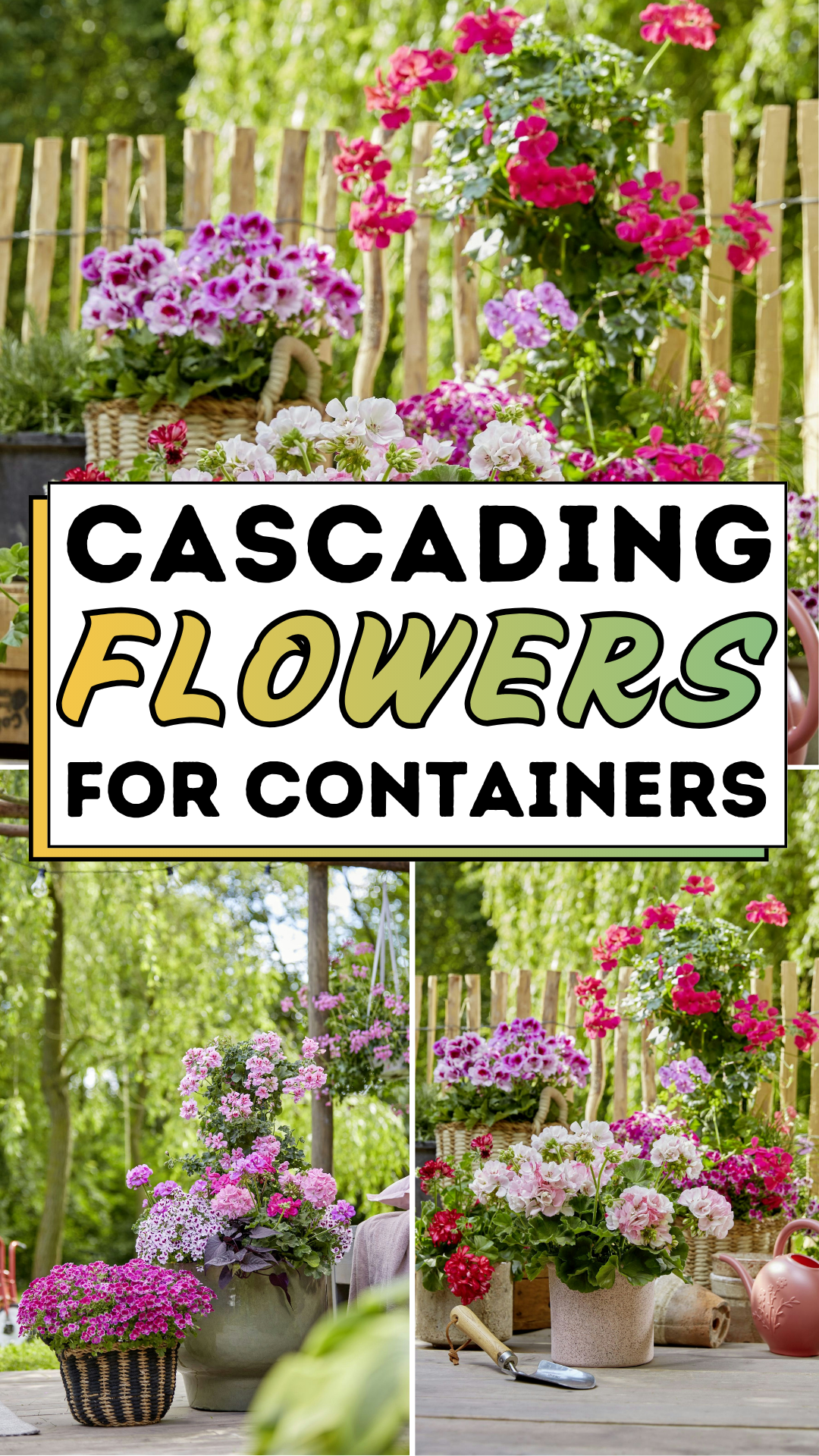
That is where cascading flowers change everything. Look at a wicker basket planter overflowing with full pink geraniums, petunias tumbling from terracotta at every height, blooms layered from the ground up against a warm stone wall, and something in you immediately relaxes. It looks effortless. It looks intentional. And with the right plant choices for your containers, it absolutely is. Cascading flowers are the secret ingredient that transforms a collection of pots into a garden moment worth pausing for. Here is your guide to the varieties that do it best.
The Cascading Flowers Guide
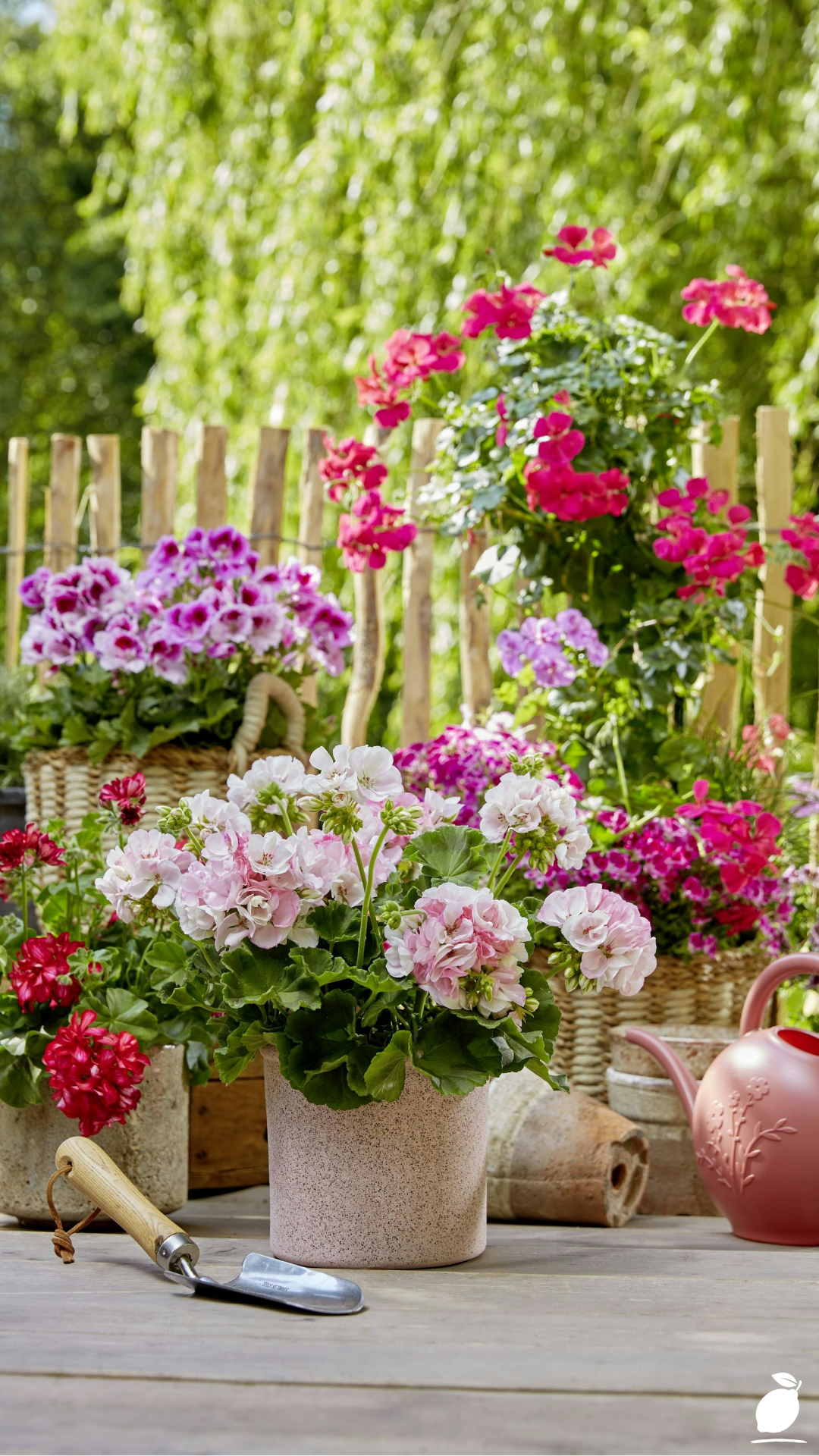
Since this is a plant selection and inspiration topic, the best format is a curated guide, a roundup of the top cascading flowers for containers, each with a clear explanation of why it works and how to use it. These are the varieties that reliably deliver that full, flowing, over-the-edge effect in wicker baskets, terracotta pots, window boxes, and tall cylindrical planters alike.
Trailing Petunias
Few cascading flowers match the sheer color range and season-long performance of trailing petunias. Unlike their upright cousins, trailing varieties like the Supertunia and Wave series send out long, flexible stems that spill generously over pot edges, reaching 18 to 36 inches in length by midsummer. They bloom continuously without deadheading and come in every shade from pure white to deep burgundy, violet, and every pink in between.
Why it works: Trailing petunias fill vertical space below the container, creating that characteristic waterfall of color that makes hanging baskets and tall planters look genuinely lush. They are fast-growing, sun-loving, and tolerant of summer heat. Planted in terracotta alongside taller geraniums, they do exactly what they are designed to do: soften every hard edge and pour downward in waves of bloom.
Geraniums (Ivy-Leaf Varieties)
Standard zonal geraniums grow upright. Ivy-leaf geraniums, the cascading variety seen tumbling from window boxes across southern Europe, are a completely different plant in terms of habit. Their glossy, ivy-shaped foliage and flexible trailing stems make them one of the most reliable cascading flowers for wicker basket planters and raised containers. Varieties like Tornado Pink, Blanche, and the Calliope series are especially generous spillers.
Why it works: Ivy-leaf geraniums combine the heat tolerance and low-water needs of standard geraniums with a true cascading growth habit. Planted as the centerpiece of a wicker planter at height, their stems arch outward and downward, producing clusters of flowers that frame the container beautifully. They are also remarkably wind-tolerant, making them ideal for exposed patios and balconies.
Calibrachoa (Million Bells)
Calibrachoa, commonly called Million Bells, produces masses of tiny, petunia-like flowers on fine, trailing stems that cascade softly and densely over pot edges. A single well-established plant can produce hundreds of blooms simultaneously, in shades ranging from lemon yellow to copper, cherry red, lavender, and bicolor combinations. They are self-cleaning, meaning spent flowers drop without deadheading.
Why it works: Calibrachoa provides an exceptionally fine-textured cascade, delicate rather than dramatic, that works beautifully as a filler and spiller alongside bolder plants like geraniums or upright salvias. In mixed containers, they weave between other plants and pour over edges in a way that looks completely natural, as though the planter simply grew that way on its own.
Bacopa (Sutera)
Bacopa is a quietly indispensable cascading flower for containers in partial shade or cooler climates. It produces masses of tiny five-petaled flowers, most commonly white, though soft pink and lavender varieties exist on delicate, trailing stems that spread and cascade gently over pot edges. It thrives in conditions where sun-lovers like petunias begin to struggle: cool mornings, dappled light, coastal gardens.
Why it works: Bacopa fills the role of the elegant, understated cascading accent. It does not dominate, it weaves and softens. Used as the trailing element in a container with larger, bolder centerpiece plants, bacopa creates the fine, lacy edge that makes the overall planting look considered and complete rather than simply stuffed. It also attracts beneficial insects and pollinators throughout the season.
Lobelia (Trailing Varieties)
Trailing lobelia is one of the best-known cascading flowers for containers and for good reason. Its small, intensely colored flowers, most famously a vivid cobalt blue, though white and burgundy varieties exist, cascade freely from hanging baskets and window boxes in a curtain of color that is genuinely hard to replicate with any other plant. It prefers cooler conditions and performs especially well in spring and early summer, and again in autumn.
Why it works: Trailing lobelia provides the blue and purple tones that most cascading flower palettes lack. Paired with pink geraniums, white bacopa, or coral calibrachoa in the same container, it delivers the color contrast that makes a planting composition feel complete. Its fine texture and free-flowing habit create movement even in still air. There is a softness to a basket full of trailing lobelia that nothing else quite matches.
Sweet Potato Vine (Ipomoea batatas)
Not all cascading container plants need to be flowering. Sweet potato vine, grown for its bold, rapidly spreading foliage in shades of chartreuse green, deep burgundy, bronze, and variegated combinations, is one of the most effective cascading plants for containers when you want dramatic foliage volume rather than blooms. It grows vigorously, tolerates heat well, and cascades in long, lush ropes of color.
Why it works: Sweet potato vine plays a structural role in mixed container plantings. As the “spiller” in the classic thriller-filler-spiller formula, its large, heart-shaped or deeply lobed leaves create bold, fast-moving cascades that anchor the composition visually and fill the vertical space between container and ground. Chartreuse sweet potato vine against deep pink geraniums is one of the most reliably stunning color combinations in container gardening.
Scaevola (Fan Flower)
Scaevola is a heat-tolerant, drought-resistant cascading flower native to Australia that has become increasingly popular in container gardens. Its unusual fan-shaped flowers, typically lavender-blue or white, are produced continuously along trailing stems that cascade freely over pot edges. It is exceptionally resistant to summer heat and humidity, continuing to bloom vigorously when petunias and lobelia begin to flag.
Why it works: Scaevola fills the midsummer gap that many cascading flowers leave. When cooler-season performers like lobelia take a rest in the heat of July and August, scaevola keeps producing. It is the reliable, low-maintenance cascading flower for gardeners who want continuous color through the hottest part of the year with minimal intervention.
Expert Secrets for Success
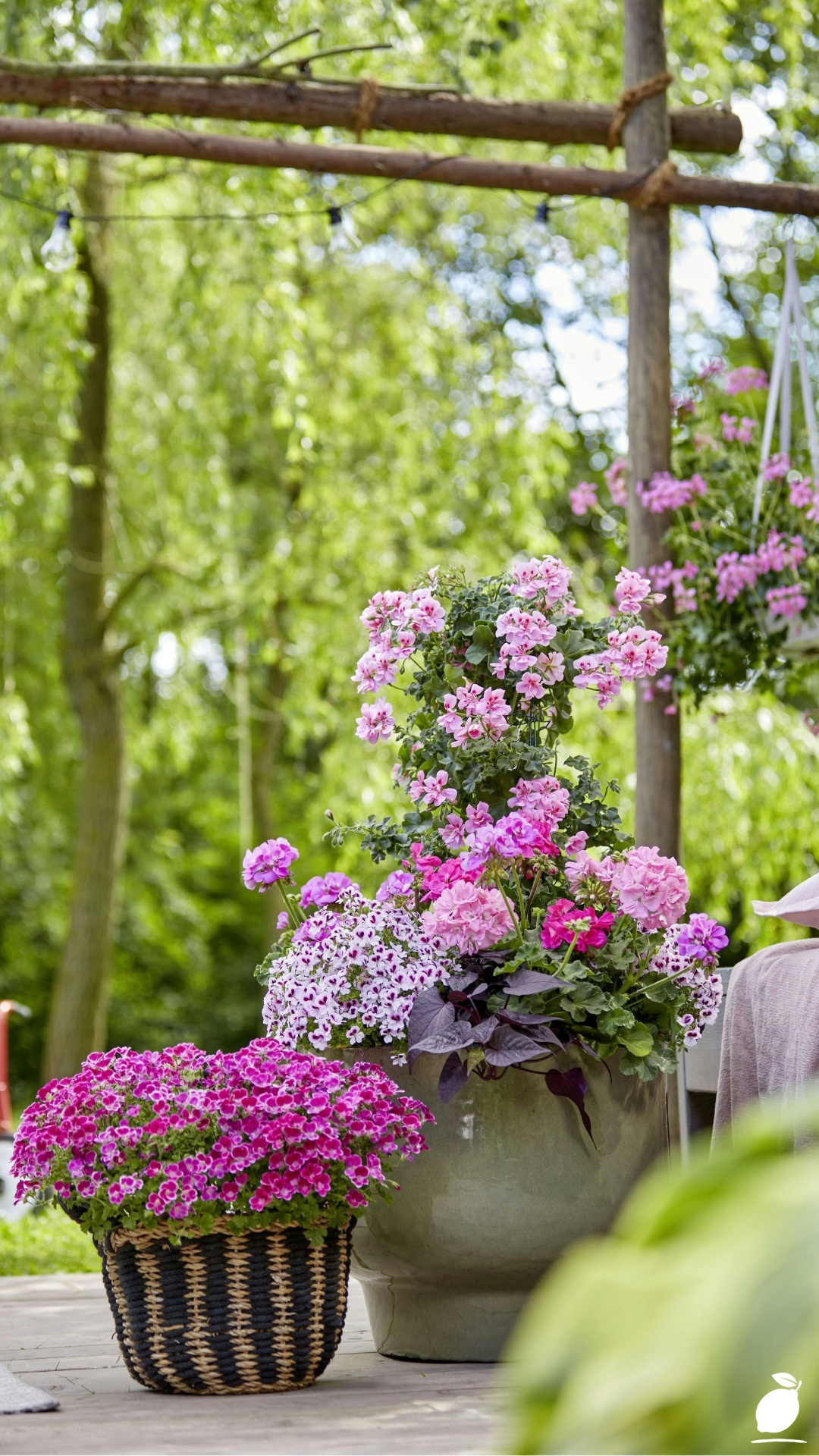
Pro-Tips for Better Results
- Use the thriller-filler-spiller formula. Every strong container planting has three roles: a tall, dramatic centerpiece (thriller), a dense mid-level plant that fills the pot (filler), and a cascading flower that spills over the edge (spiller). Choosing one plant from each category, say, an upright geranium, a compact impatiens, and a trailing petunia, creates instant visual completeness.
- Match cascade length to container height. A short window box calls for a modest spiller like bacopa or compact calibrachoa. A tall wicker planter or urn rewards a vigorous cascading flower like trailing petunia or sweet potato vine whose long stems can reach 24 inches or more. Mismatching plant vigor to container height produces either a skimpy or an overwhelming result.
- Feed cascading flowers generously. Trailing varieties are high-performance plants that push out continuous growth and bloom. A slow-release granular fertilizer at planting, supplemented with a weekly liquid feed of balanced or high-potassium fertilizer through the growing season, is what separates a genuinely lush cascade from a thin, tired one by August.
- Water from below, when possible. Many cascading flowers, petunias and calibrachoa especially, are prone to botrytis (gray mold) when their flowers and foliage are repeatedly wetted from overhead. Drip irrigation or bottom-watering via a saucer dramatically reduces disease pressure and extends the life and appearance of the cascade.
- Trim back by one-third in midsummer. By midsummer, even the best cascading flowers can get leggy and bare at the base. A hard trim cutting stems back by a third promotes a fresh flush of growth and blooms and keeps the cascade looking full and generous rather than stretched and thin through to autumn.
Common Mistakes to Avoid
- Using only upright varieties. A container filled with upright plants may be full, but it will never look effortless or layered. At least one cascading flower in every container is the minimum for that over-the-edge, overflowing effect most gardeners are actually after.
- Planting cascaders in too-small containers. Trailing plants need root space to support their vigorous above-ground growth. Cramming a large-growing calibrachoa or sweet potato vine into a small pot results in stunted cascades, rapid drying out, and stress-related disease. Size up your containers generously.
- Neglecting deadheading where needed. Not all cascading flowers are self-cleaning. Trailing geraniums in particular benefit from regular removal of spent flower heads, which redirects the plant’s energy into new bloom production rather than seed set.
- Underestimating sun requirements. Most of the best cascading flowers, petunias, calibrachoa, ivy-leaf geraniums, and scaevola are full-sun performers that need six or more hours of direct sunlight daily to bloom prolifically. Placing them in partial shade results in leggy growth and dramatically reduced flowering.
- Forgetting to harden off before planting out. Transplants grown under glass or indoors need a week of gradual outdoor exposure before going into containers permanently. Skipping this step causes transplant shock that sets plants back by two to three weeks and interrupts the early cascade establishment you are counting on.
Why Cascading Flowers Matter
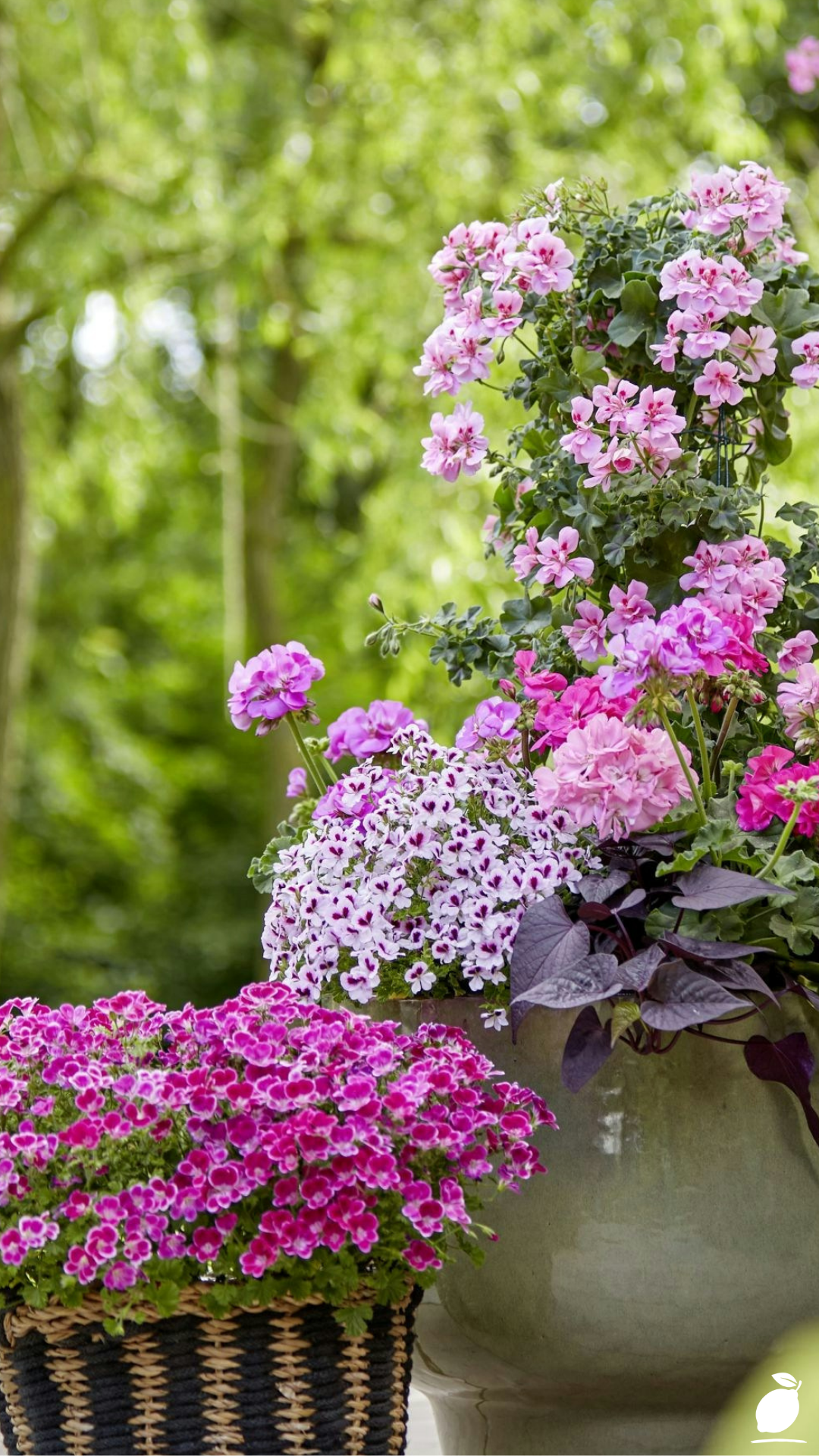
There is a particular kind of satisfaction that comes from a container garden that has truly come into its own. Not the satisfaction of a task completed, but something quieter, the pleasure of walking past a planter spilling over with color and movement and feeling, for a moment, that you made something genuinely beautiful. Cascading flowers deliver that feeling more reliably than almost any other gardening choice, because their whole nature is abundance. They overflow. They give generously. They fill every space they are offered and then reach beyond it.
For families, a patio or balcony transformed by lush, overflowing containers becomes a different kind of space. It invites people to slow down, to sit, to notice. Children are drawn to flowers in a way they are not drawn to a bare concrete terrace. A grandmother visiting in summer pauses at the petunias. A partner brings their morning coffee outside instead of taking it at the kitchen counter. These are small moments, but they are the moments that make a home feel like a home rather than just a building where you sleep.
And for your own mental clarity and calm, the act of tending cascading flowers, pinching back the leggy stems, feeding the roots, watching new buds open at the tips of trailing stems is a form of slow, absorbing attention that the rest of life rarely offers. Gardening research consistently finds that time spent with plants reduces cortisol, lowers blood pressure, and produces a measurable improvement in mood. Cascading flowers are simply one of the most beautiful ways to give yourself that time. They ask for a little care and return it in color, in movement, in the kind of overflowing generosity that makes everything around them look better. That is a trade worth making every single season.
Frequently Asked Questions
What are the best cascading flowers for full sun containers?
For full sun positions, trailing petunias, calibrachoa, ivy-leaf geraniums, and scaevola are all excellent choices. They are heat-tolerant, bloom continuously through summer, and produce vigorous cascades when given regular water and fertilizer. Sweet potato vine is also an outstanding full-sun spiller if you want bold foliage rather than flowers.
Which cascading flowers work best in shade or partial shade?
Trailing lobelia, bacopa, and trailing fuchsia are the strongest performers in partial shade conditions. They prefer cooler temperatures and filtered light and will struggle or stop blooming entirely in full summer sun. For deep shade, trailing fuchsia and ivy-leaf begonias are the most reliable choices for sustained color.
How do I stop cascading flowers from getting leggy mid-season?
A midsummer trim is the most effective solution. Cut trailing stems back by approximately one-third, removing the oldest, barest growth and leaving healthy green stems with visible buds. Follow the trim with a dose of liquid fertilizer and consistent watering. Most cascading flowers respond within two weeks with a fresh, dense flush of new growth and blooms.
Can I overwinter cascading flowers and use them next year?
Ivy-leaf geraniums and fuchsias can be overwintered successfully indoors as dormant plants or rooted cuttings, then grown on and planted out again the following spring. Most other cascading annuals, petunias, calibrachoa, lobelia, bacopa, are not cost-effective to overwinter and are best treated as annual replacements each season.
What potting mix is best for cascading flowers in containers?
Use a high-quality, free-draining potting mix rather than garden soil, which compacts in containers and restricts root growth. A mix with added perlite improves drainage further, which cascading flowers benefit from strongly; most trailing varieties are sensitive to waterlogged roots. Adding a slow-release fertilizer granule at planting ensures steady nutrition from the moment plants go into the container.