It starts with the best intentions. You line your porch, balcony, or patio with beautiful potted plants, terracotta pots overflowing with succulents, cheerful flowering plants in bright containers, a statement palm anchoring the whole arrangement, and for a while, it looks exactly like the outdoor space you’ve always wanted. Then summer arrives in full force, and suddenly you’re guessing every single day. Did you water them yesterday? Was it enough? Too much? The leaves on the trailing plant are yellowing, the succulents look oddly soft, and the one pot you forgot about for four days has gone completely crispy. The whole setup that was supposed to bring calm to your outdoor space has become its own quiet source of stress.
Here’s the thing that nobody tells you when you first start collecting outdoor potted plants: watering them correctly is genuinely different from watering garden beds, and it’s different again from caring for indoor plants. Outdoor potted plants live in a uniquely demanding environment exposed to wind, direct sun, and temperature swings, rooted in a finite volume of soil that drains quickly and dries out fast. The variables are real, and the margin for error is smaller than most people expect. But once you understand the system, watering your outdoor potted plants has a logic and a rhythm; it stops feeling like guesswork and starts feeling like one of the most satisfying rituals of your week.
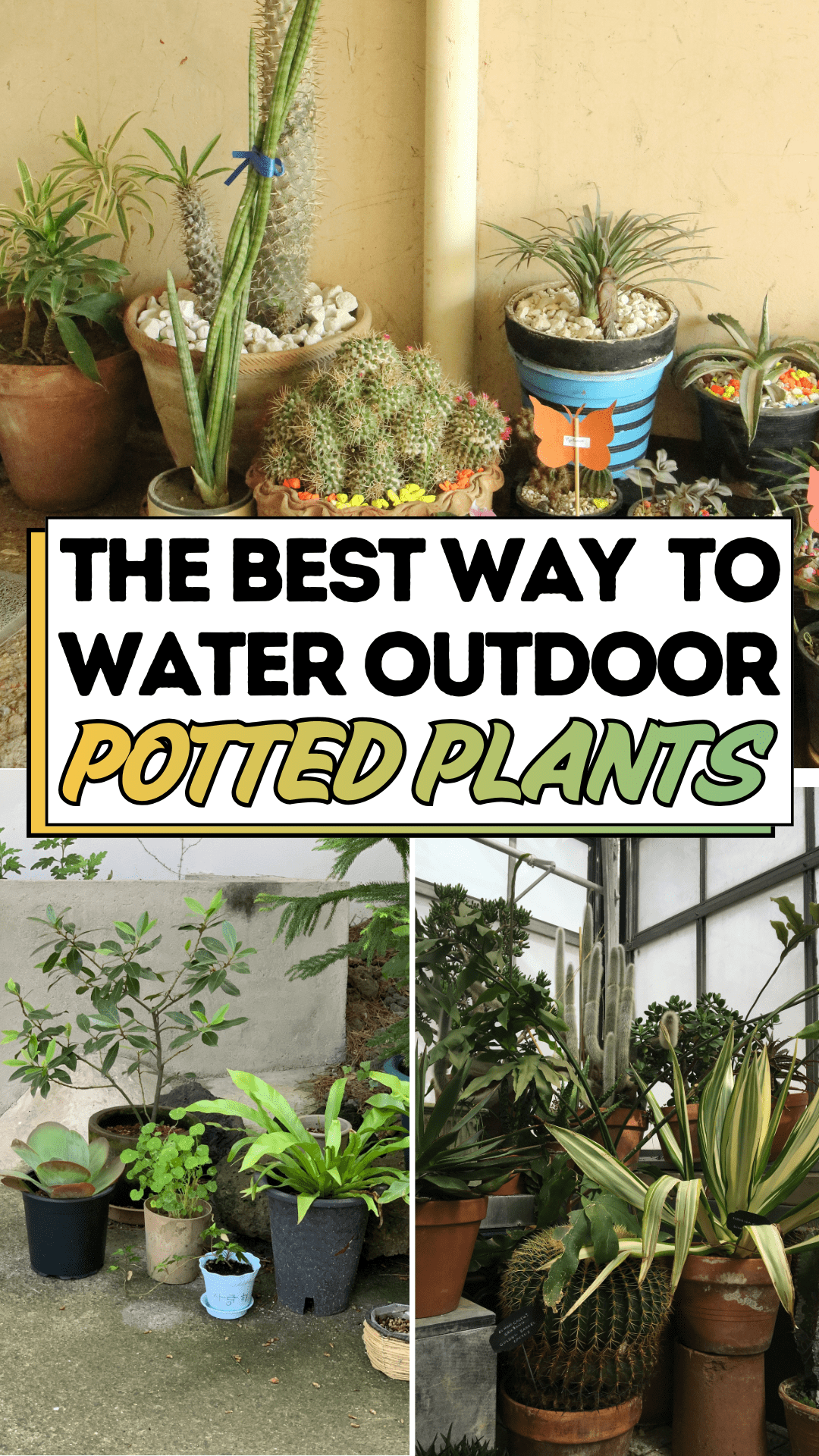
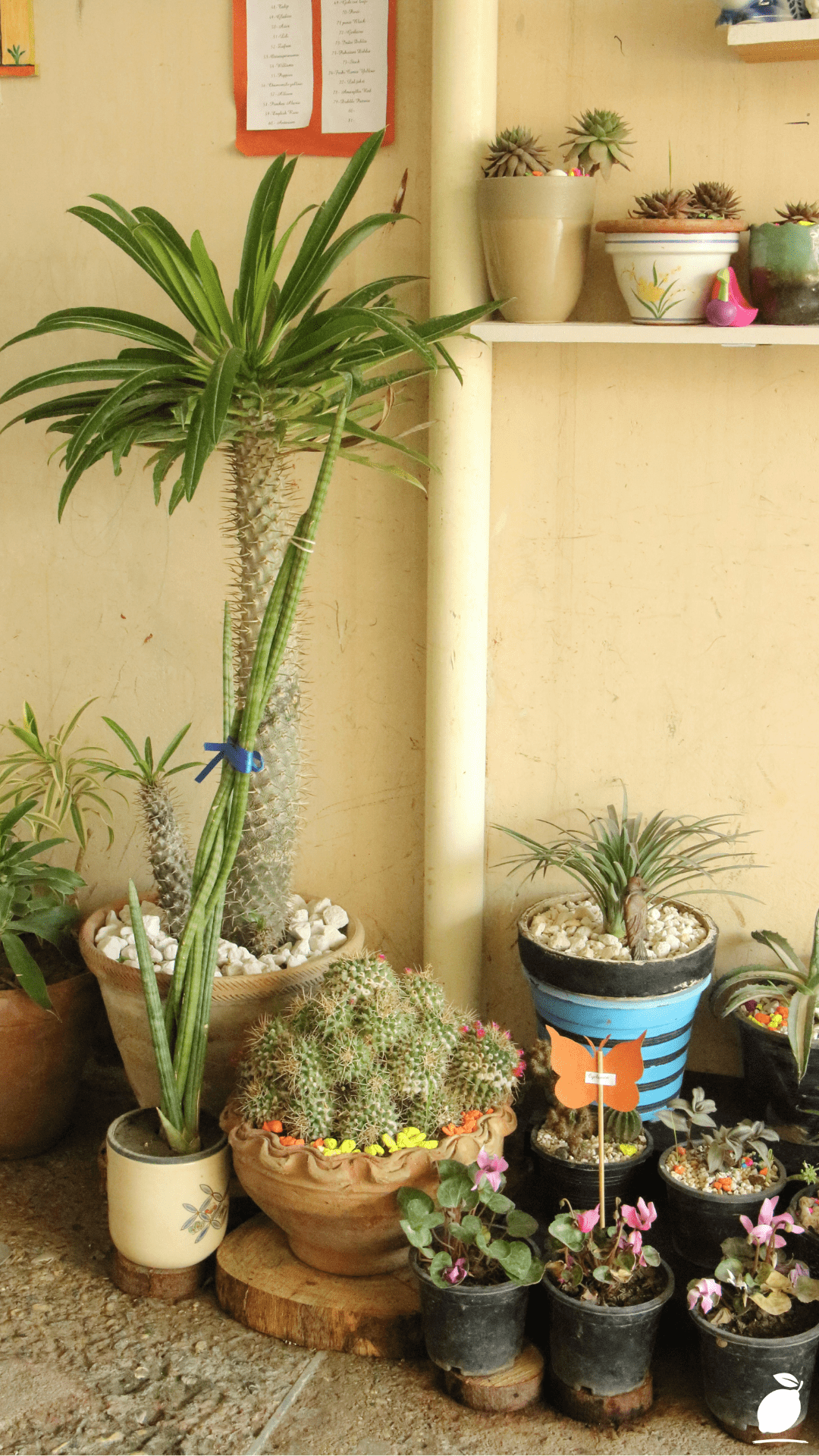
The image that anchors this post captures that satisfying order: a curated collection of potted plants, ponytail palm, succulents, cacti, leafy green companions, each in its own carefully chosen pot, arranged with intention and clearly thriving. That’s the goal. Not perfection, but a clear understanding of what each plant needs and a simple, repeatable way to give it to them. This guide breaks down the best way to water outdoor potted plants, from reading your plants’ signals to mastering seasonal adjustments, so your collection looks like this all year long.
The Potted Plants Blueprint
Step 1: Understand Why Outdoor Potted Plants Need Different Care
Before you pick up the watering can, it helps to understand what makes outdoor potted plants uniquely vulnerable to both overwatering and underwatering. Unlike garden beds, pots contain a limited volume of soil, which means they heat up faster, dry out faster, and have no surrounding ground moisture to buffer against dry spells. Unlike indoor plants, outdoor potted plants face wind that accelerates evaporation, direct sun that bakes terracotta and plastic alike, and rain that may or may not fall at the right moment. Recognizing this environment as inherently demanding is the foundation of every good decision that follows.
Step 2: Learn to Read Your Potted Plants Before You Water
The single most important watering skill you can develop is checking before acting. Push your finger approximately two to three centimeters into the soil of each pot. For most flowering plants and leafy tropicals, water when the top layer feels dry but the soil below still holds a trace of moisture. For succulents and cacti like those in our featured image, water only when the soil is completely dry all the way through. For moisture-loving plants like ferns or impatiens, keep the top centimeter consistently moist. Different potted plants have genuinely different thresholds, and learning each one takes just a few weeks of attentive checking.
Step 3: Water Deeply, Not Frequently
One of the most common watering mistakes with outdoor potted plants is watering lightly and often, a quick splash each morning that wets the surface without penetrating the root zone. This approach trains roots to stay shallow and near the surface, which makes potted plants more vulnerable to heat stress and drought, not less. The correct method is to water slowly and thoroughly until water flows freely from the drainage hole at the bottom of the pot. This ensures moisture reaches the entire root system, encourages deep root growth, and flushes accumulated mineral salts from the soil at the same time.
Step 4: Time Your Watering Around the Sun
When you water outdoor potted plants matters almost as much as how much you give them. Watering in the middle of a hot, sunny afternoon wastes significant moisture to surface evaporation before it can penetrate the soil, and water droplets sitting on leaves under strong sun can act as lenses that scorch foliage. Early morning, between 6 and 9 AM, is the ideal window. Soil is still cool from the night, moisture is absorbed efficiently before the heat builds, and foliage has time to dry before evening, which reduces the risk of fungal issues. Evening watering is a workable second choice; just avoid getting water on leaves if the humidity is high.
Step 5: Adjust for Season, Weather, and Pot Material
Outdoor potted plants don’t have a fixed watering schedule; they have a responsive one. In the heat of midsummer, small terracotta pots in full sun may need watering every single day. In early spring or autumn, the same pots might only need attention twice a week. After rain, skip a watering cycle and check soil moisture before resuming. Terracotta pots are porous and lose moisture through their walls, drying out significantly faster than plastic or glazed ceramic. Factor this into your frequency. Dark-colored pots absorb more heat and dry out faster than light-colored ones. Pot size also matters: small pots dry out dramatically faster than large ones holding the same plant.
Step 6: Match Your Watering Method to Your Setup
Different outdoor potted plant setups call for different watering approaches. A small collection of six to ten pots on a balcony is perfectly manageable with a long-spouted watering can, which gives you control over exactly where water goes and how much each pot receives. A larger patio collection benefits from a garden hose fitted with an adjustable wand. A gentle shower setting delivers water without disturbing surface soil or splashing mud. For gardeners who travel frequently or have large collections, drip irrigation systems threaded through grouped pots offer consistent, automated moisture delivery that transforms potted plant care from a daily obligation into a set-and-monitor system.
Step 7: Ensure Every Pot Has Proper Drainage
No watering technique in the world compensates for a pot without drainage. Outdoor potted plants sitting in waterlogged soil develop root rot with startling speed, particularly in warm weather when bacterial activity in saturated soil is high. Every pot in your outdoor collection must have at least one drainage hole, and saucers placed beneath pots should be emptied after heavy rain or thorough watering rather than left to allow the pot to sit in standing water. If you have a decorative container without drainage, use it as a cachepot. Place a plain nursery pot with drainage holes inside it, and remove the inner pot for watering before replacing it once drainage is complete.
Step 8: Recognize the Signs of Watering Problems Early
Learning to identify watering stress in your outdoor potted plants early prevents a recoverable situation from becoming a permanent loss. Overwatered potted plants show yellowing leaves that feel soft and may drop easily, soil that stays wet for extended periods, and, in severe cases, a sour smell from the pot indicating root rot. Underwatered potted plants show dry, crispy leaf edges, wilting that doesn’t recover after cooler evening temperatures, soil pulling away from the pot’s inner walls, and unusually lightweight pots. Catching either condition early and adjusting your approach gives your plants a straightforward path to recovery.
Expert Secrets for Success
Pro-Tips for Better Results
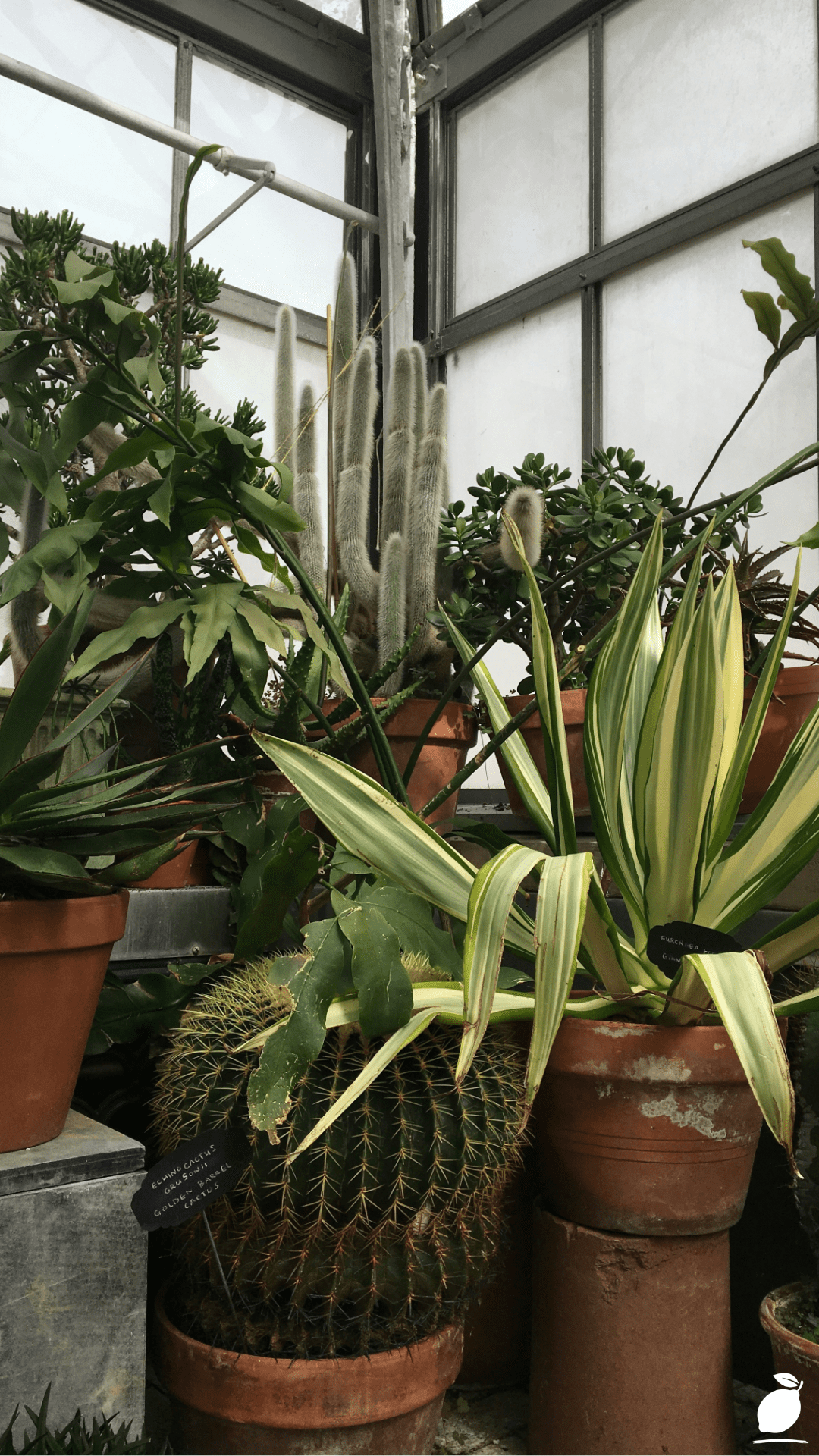
Group potted plants together strategically. Clustering your outdoor potted plants not only looks more intentional and visually cohesive, as in the beautifully arranged collection in our featured image, but it also creates a localized microclimate with slightly higher ambient humidity. Grouped pots shade each other’s soil from direct sun, reducing evaporation and cutting your watering frequency noticeably during hot spells. Arrange taller potted plants like palms at the back to shelter smaller, more moisture-sensitive plants in front.
Use a moisture meter for large or valuable collections. Once your outdoor potted plant collection grows beyond ten to fifteen pots, a simple soil moisture meter removes all the guesswork. Insert the probe to mid-pot depth and read the dial. No more finger tests, no more wondering. Moisture meters are inexpensive, widely available, and dramatically improve consistency, particularly for potted plants in containers too large to lift and assess by weight.
Add water-retaining granules to fast-draining mixes. Outdoor potted plants in porous terracotta or in very free-draining cactus and succulent mixes can benefit from the addition of water-retaining polymer granules mixed into the potting soil. These swell to hold moisture and release it gradually as the surrounding soil dries, effectively extending the time between waterings without creating waterlogged conditions. Particularly useful for potted plants in exposed, windy locations.
Lift the pot to gauge moisture. A well-watered pot feels noticeably heavier than a dry one. With practice, lifting each pot briefly before watering gives you an instant sense of whether it actually needs attention that day, particularly useful for succulents and cacti, where finger-testing very dry, compacted soil can be misleading.
Common Mistakes to Avoid
Don’t follow a rigid daily schedule. The single most common potted plants watering mistake is treating every day as a watering day, regardless of conditions. Overwatering, giving moisture before the plant needs it, is a leading cause of outdoor potted plant death, particularly for succulents, cacti, and drought-tolerant species. Always let soil moisture, not the calendar, drive your decision.
Don’t water the foliage; water the soil. Directing water onto leaves rather than the base of the plant is inefficient and increases the risk of fungal disease, particularly in humid climates or when watering in the evening. Aim the spout or wand at the soil surface around the base of the plant, and water slowly enough to allow absorption rather than runoff.
Don’t neglect potted plants immediately after repotting. Freshly repotted outdoor plants have disturbed root systems that are temporarily less efficient at water uptake. Water thoroughly immediately after repotting, then check soil moisture more frequently than usual for the first two to three weeks as the root system re-establishes. Newly repotted plants in full sun benefit from temporary shading during this adjustment period.
Don’t assume rain has done the job. Light rain, the kind that freshens the air and makes surfaces look damp, rarely penetrates deep enough into outdoor potted plants to count as a proper watering. Unless you’ve had sustained, heavy rainfall, check soil moisture the following day rather than assuming the pot is watered. Overhead foliage often deflects significant rainfall away from the pot entirely, leaving the soil dry even after a shower.
Why Potted Plants Matter
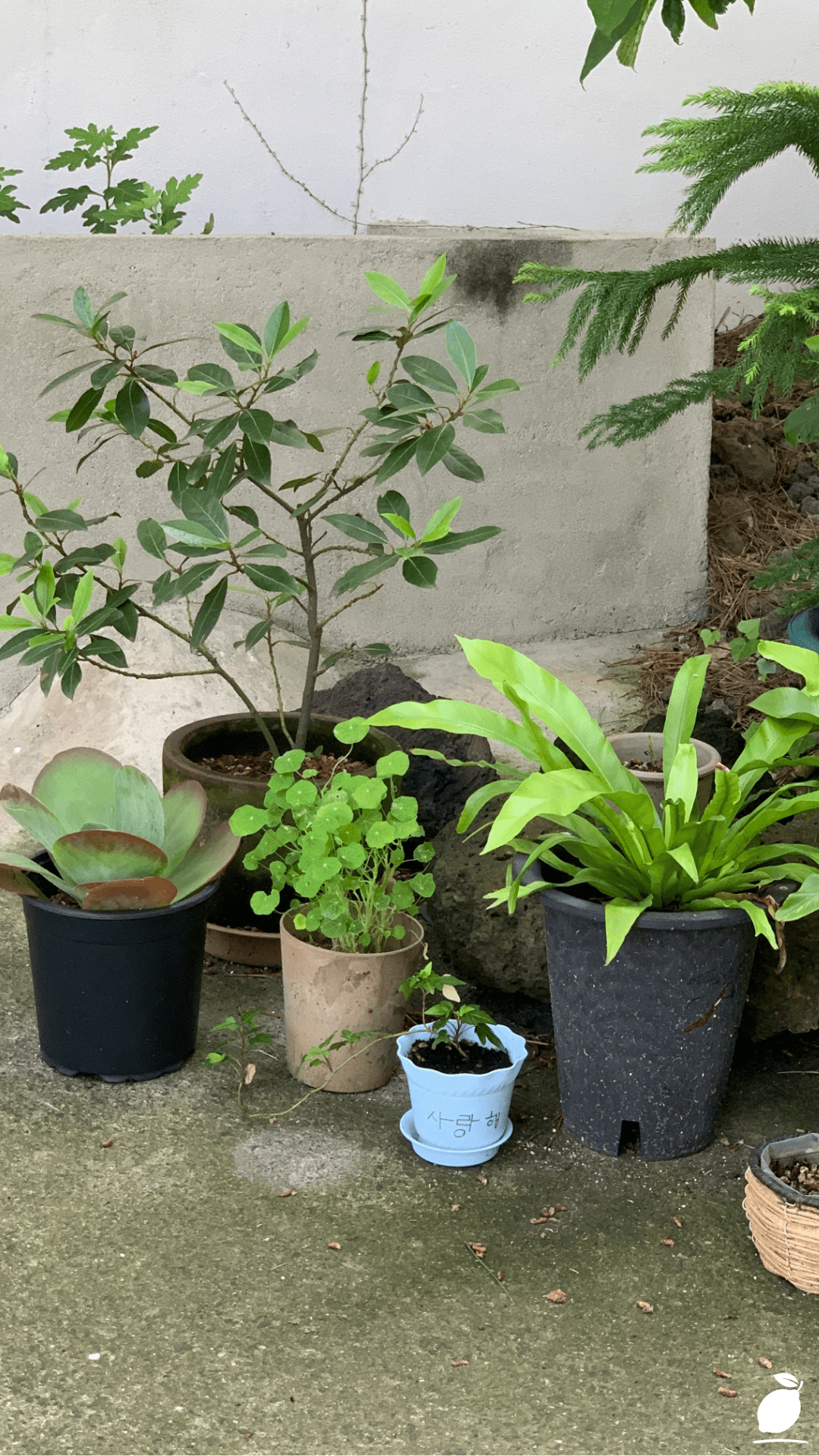
There is a particular kind of pleasure in stepping outside to tend to your potted plants in the early morning, the light still soft, the air cool, the day not yet demanding anything from you. It’s a ritual that feels both productive and meditative, a few minutes of quiet attention to living things before the rest of life picks up speed. Research in horticultural therapy consistently shows that caring for plants reduces cortisol levels, lowers blood pressure, and activates the parasympathetic nervous system, the body’s rest-and-digest state. Your outdoor potted plant collection isn’t just decoration. It’s a daily invitation to slow down.
For families, outdoor potted plants carry an additional layer of meaning. They are some of the easiest and most rewarding ways to teach children about living systems, about cause and effect, about the relationship between care and growth. A child who helps water the potted plants on the porch, who watches a flower bud open over three days, who understands that the plant on the shelf needs something different from the cactus in the corner, that child is building a kind of attentiveness that extends far beyond the garden. Potted plants become a shared language, a gentle daily ritual that pulls families together in unhurried moments.
Easy Peasy Life Matters is built on the belief that intentional simplicity, doing small things well and consistently, is the foundation of a life that feels good to live. Mastering the best way to water your outdoor potted plants is precisely that: a small, learnable skill that removes daily stress, keeps your outdoor space beautiful, and gives you a quiet point of competence and care in your day. When your potted plants thrive, something in you does too.
Frequently Asked Questions
How do I know if my outdoor potted plants need water?
The most reliable method is the finger test: push your finger two to three centimeters into the soil. If it feels dry at that depth, most flowering plants and tropicals are ready for water. For succulents and cacti, wait until the soil is completely dry throughout the pot. You can also lift the pot. A noticeably light pot is usually a dry pot. Wilting, crispy leaf edges, and soil pulling away from pot walls are visual cues that watering is overdue.
How often should I water outdoor potted plants in summer?
In peak summer heat, small to medium outdoor potted plants in terracotta or exposed locations may need watering daily. Larger pots, plastic containers, and plants in partial shade typically need water every two to three days. The correct answer always depends on pot size, material, plant type, your local climate, and current weather conditions, which is why soil moisture checking will always outperform a fixed schedule.
Is it okay to water outdoor potted plants at night?
Evening watering is acceptable when morning watering isn’t possible, but it carries a slightly higher risk of fungal issues because foliage and soil surface stay wet through the cooler, less evaporative night hours. Minimize the risk by directing water only at the soil, not the leaves, and ensuring good airflow around your potted plants. Morning watering remains the best practice whenever your schedule allows.
Why are my outdoor potted plants wilting even though I water them regularly?
Wilting despite regular watering usually points to one of three causes: overwatering leading to root rot (roots can no longer transport water even when it’s present), a pot-bound root system that has filled all available soil and can’t absorb moisture efficiently, or a pot without adequate drainage where roots are sitting in waterlogged soil. Check the drainage holes, assess whether it’s time to repot, and consider whether the soil stays wet for extended periods after watering.
Should I use tap water or rainwater for outdoor potted plants?
Rainwater is ideal for most outdoor potted plants. It’s naturally soft, slightly acidic, and free of the chlorine and fluoride found in municipal tap water. If collecting rainwater isn’t practical, tap water works well for the majority of potted plants, particularly those in outdoor conditions where mineral accumulation is managed by regular deep watering that flushes the soil. Acid-loving potted plants like azaleas and blueberries benefit most noticeably from rainwater or filtered water.
How do I water outdoor potted plants when I’m on holiday?
For short absences of three to five days, water all potted plants thoroughly before you leave, move them to a shadier location to reduce evaporation, and group them to create a more humid microclimate. For longer absences, ask a neighbor or friend to check in, set up a basic drip irrigation timer, or use self-watering inserts or terracotta spikes filled with water that release moisture slowly into the soil over several days.