The garden needed a screen. You knew this when you moved in and you have known it every year since that exposed stretch of boundary where the neighbor’s window looks directly onto the patio, or the street-facing side that gives passers-by a clear view of the back door, or the utility area where the bins live and the washing hangs and which stubbornly refuses to look like a garden regardless of what is planted in front of it. You priced timber fencing. You looked at the trellis. You planted a climber that has been “establishing” for three years and has covered approximately four square feet of a twelve-foot span. The screen that was going to solve everything has become the problem you have stopped thinking about because thinking about it produces nothing except the same shortlist of expensive, slow, and unsatisfying options.
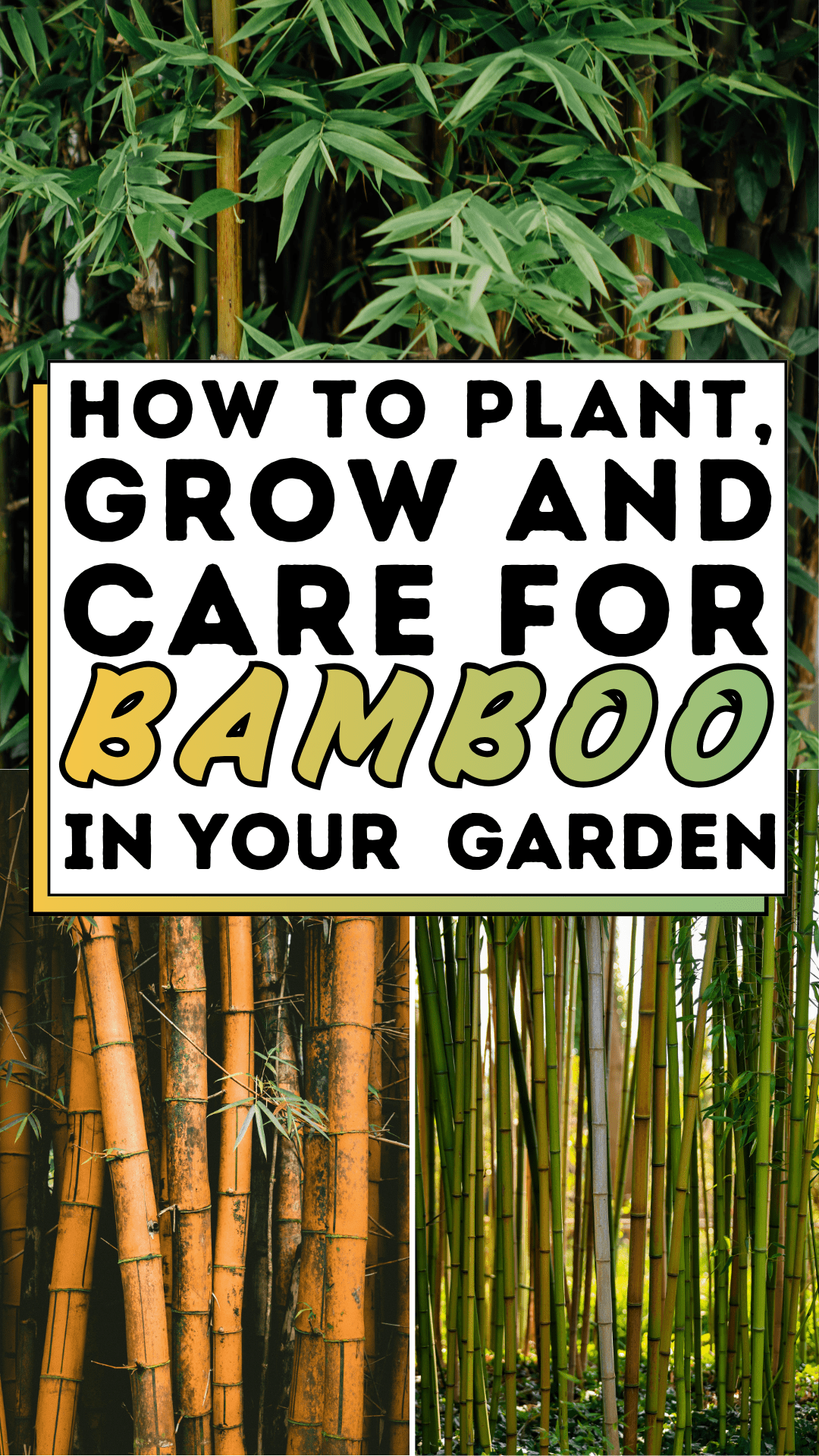
Then someone’s garden stops you in your tracks. A dense column of bamboo rising above a low wall, its straight canes filtering light and sound simultaneously, its foliage moving gently in a breeze that the garden behind it barely feels. No fence posts. No panels to rot or blow down in the first November storm. Just bamboo planted, established, and doing exactly what it was asked to do with a naturalness that no built structure ever achieves. You stand there for a moment longer than makes social sense, because what you are seeing is not just a privacy solution. It is a garden transformed by a single, correct plant decision.
Bamboo is one of the most misunderstood plants in the domestic garden, feared for its reputation for invasiveness and overlooked for the extraordinary structural and aesthetic value it delivers when the right species is chosen and managed correctly. A well-planted bamboo grove canes rising in parallel rows, foliage filtering the light into dappled movement, the sound of wind through the leaves creating a white-noise screen against the street, is one of the most calming garden environments you can create. It grows fast, requires relatively little once established, and produces a result that improves every single year. Here is exactly how to do it well.
The Bamboo Blueprint
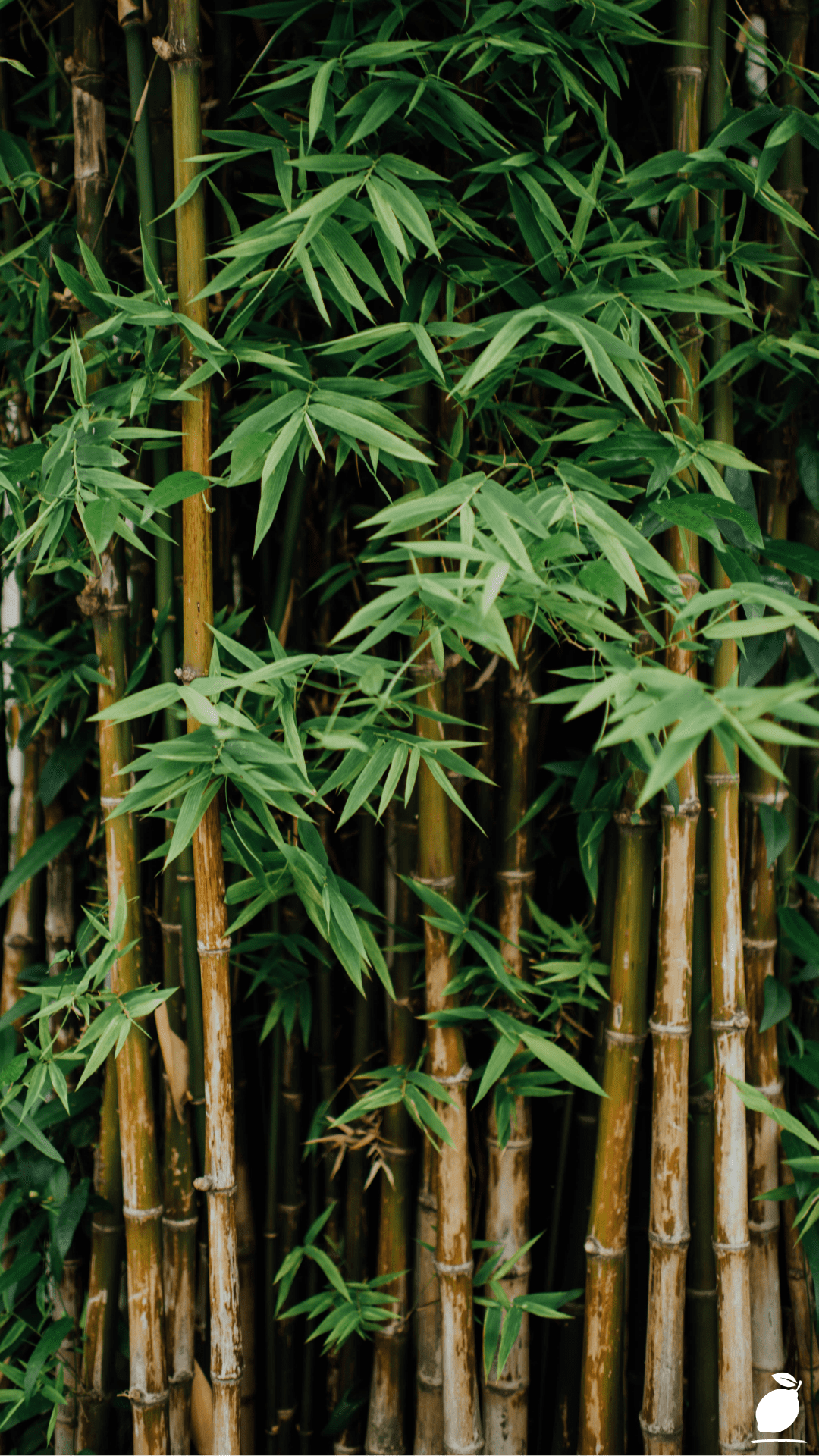
Growing bamboo successfully is a how-to project with a logical, sequential structure. Follow these steps in order, and your bamboo will establish quickly, screen effectively, and remain controllable and beautiful for as long as you want it.
Step 1: Choose the Right Bamboo Species
The most important bamboo decision happens before anything goes in the ground. Bamboo divides into two fundamentally different growth behaviors: clumping and running, and choosing incorrectly produces either a perfectly manageable plant or a decade-long containment problem.
Clumping bamboo (Fargesia species) grows in a tight, expanding clump that spreads slowly outward from the original planting point by a few centimeters per year. It never sends rhizomes racing laterally through the soil. Fargesia murielae (umbrella bamboo) and Fargesia robusta are the most widely available and most reliably screening clumping bamboos in temperate climates, reaching 2.5 to 4 meters in height, evergreen, and suitable for domestic gardens without containment.
Running bamboo (Phyllostachys and Pleioblastus species) grows taller, faster, and with a more dramatic cane color and diameter, but sends horizontal rhizomes through the soil at speed, emerging meters from the parent plant. Running bamboo grown without a root barrier containment system becomes invasive within three to five years. Grown with a correctly installed barrier, it is one of the most spectacular screening plants available, with Phyllostachys aurea (golden bamboo) and Phyllostachys nigra (black bamboo) among the most visually striking options. Know which type you are choosing before purchase and plan accordingly.
Step 2: Select the Right Position
Bamboo planted in the right position requires minimal intervention. Planted in the wrong one, it struggles regardless of how well it is cared for afterward.
Most bamboo species prefer a position with full sun to partial shade, at least four hours of direct sunlight daily, and protection from strong, desiccating winds, which damage foliage and slow establishment. A position against a wall, fence, or existing structure provides the wind protection that allows bamboo to establish confidently. East or west-facing aspects suit most Fargesia species particularly well. Avoid low-lying frost pockets for tender species, and avoid positions directly beneath established trees where root competition and dense shade combine to limit growth significantly.
Bamboo is tolerant of a wide range of soil types but performs best in moist, free-draining, humus-rich soil with a pH of 6.0 to 7.0. It dislikes waterlogged conditions in persistently wet soil, and bamboo roots suffocate, leading to the plant’s decline. If the intended position is prone to standing water, raise the planting level by incorporating grit and organic matter, or build a raised bamboo bed above the existing soil level.
Step 3: Install a Root Barrier for Running Species
If you have chosen a running bamboo species, the root barrier is installed before planting, not after the rhizomes have already spread. Use a high-density polyethylene (HDPE) root barrier with a minimum thickness of 0.9mm (ideally 1.5mm for larger species) and a minimum depth of 60cm. Thinner or shallower barriers are penetrated by vigorous Phyllostachys species within a few seasons.
Dig a trench to 60–70cm depth around the entire intended bamboo area, install the barrier vertically with the top edge protruding 5cm above soil level to prevent rhizomes arching over the top, overlap joins by at least 40cm, and seal with specialist root barrier tape. Backfill the trench firmly. This step adds two to three hours to the installation process and prevents the need for years of expensive, labor-intensive rhizome removal. It is non-negotiable for any running bamboo in a domestic garden.
Step 4: Prepare the Soil and Plant
Good soil preparation at planting produces significantly better establishment and first-season growth than attempting to amend soil around a planted bamboo afterward. Dig the planting area to a depth of 40–50cm, incorporating a generous quantity of well-rotted compost or manure, a minimum of one part organic matter to three parts existing soil. Bamboo is a heavy feeder, and the organic matter provides both initial nutrition and the moisture-retention capacity that supports rapid early growth.
Plant bamboo at the same depth it was growing in its container, never deeper. Firm the soil around the root ball thoroughly to eliminate air pockets, and water in deeply immediately after planting. Space clumping bamboo at 1 to 1.5 meters apart for a continuous screen. Space running bamboo at 1.5 to 2 meters apart, the rhizome spread will fill gaps between plants within two to three seasons.
Step 5: Water, Feed, and Mulch Through the First Season
The first growing season after planting is the period when bamboo is most vulnerable and most responsive to additional care. Water deeply and consistently throughout the first summer. Bamboo has a high water requirement during active growth and wilts rapidly under drought stress, with leaf rolling being the first visible sign of moisture deficit. Deep, infrequent watering at the root zone is more effective than frequent shallow watering, which encourages surface rooting.
Feed with a high-nitrogen fertilizer, bamboo responds particularly well to nitrogen, which drives the cane and foliage growth that makes it useful as a screen monthly from April through August in the first two seasons. A lawn fertilizer applied at half its recommended rate is an effective and economical bamboo feed. Apply a thick mulch of composted bark or wood chips around the base of the bamboo to a depth of 10cm, keeping mulch clear of the canes themselves to prevent collar rot. The mulch retains moisture, moderates soil temperature, and suppresses the weed competition that slows bamboo establishment.
Step 6: Maintain and Manage for Long-Term Health
An established bamboo grove requires two primary maintenance tasks: annual thinning and rhizome management for running species.
Annual thinning, removing the oldest, thinnest, or most congested canes at ground level in late winter or early spring, keeps the bamboo open and allows light to reach developing new canes. Remove no more than one-third of the total cane volume in any single thinning, and cut cleanly at ground level with loppers or a pruning saw. The removed canes are useful as garden stakes, plant supports, or decorative elements. Thinning keeps the bamboo screen visually clean, structurally open, and growing vigorously year after year.
For running bamboo, inspect the root barrier edge annually in late spring, cutting off any rhizomes that have reached or begun to breach the barrier with a sharp spade. Check for any rhizomes arching over the barrier top and sever these immediately. Annual rhizome management takes thirty minutes and keeps running bamboo precisely where it is supposed to be.
Expert Secrets for Success
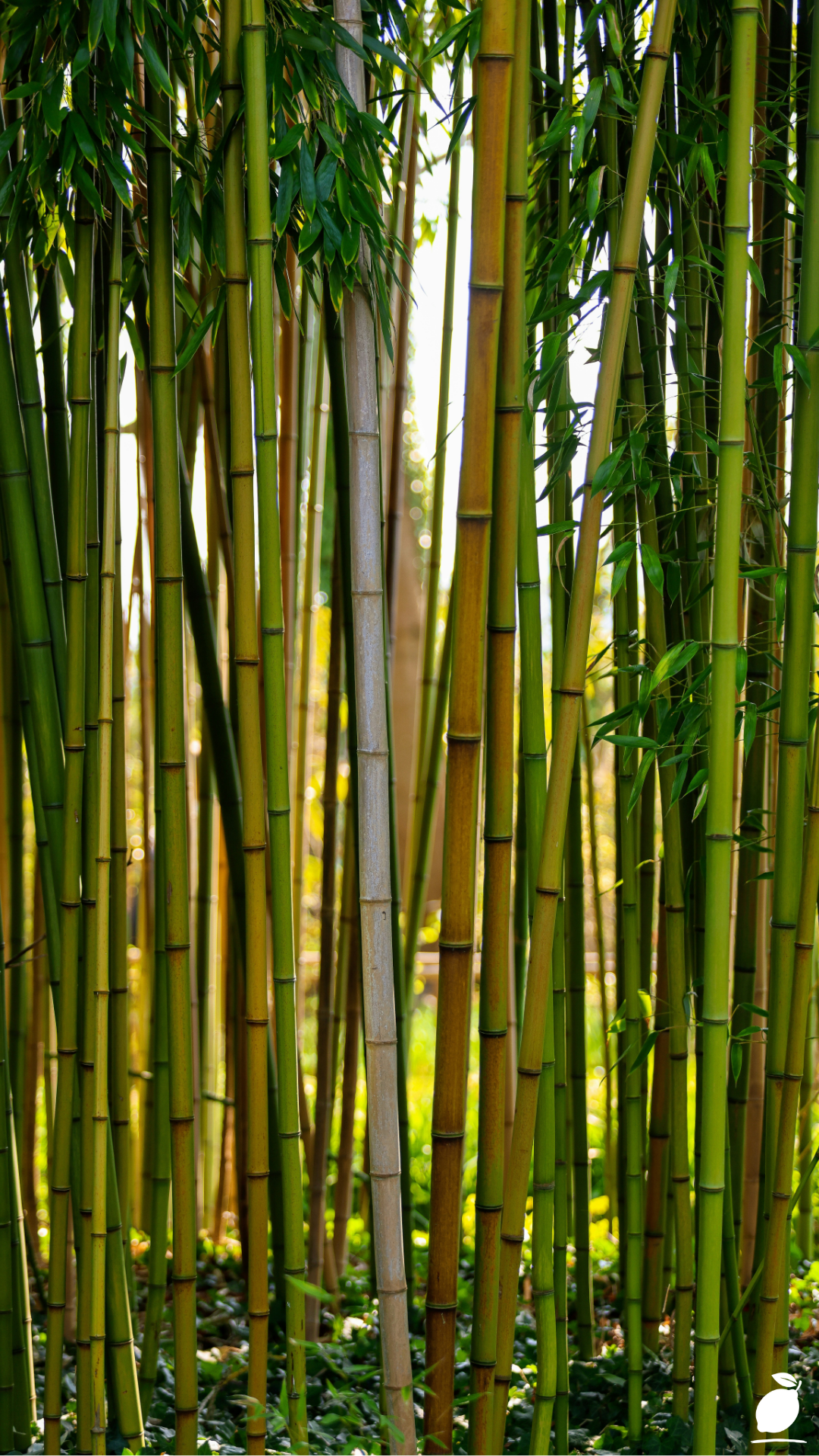
Pro-Tips for Better Results
- Buy larger bamboo specimens rather than small starts. Bamboo in a 5-liter or larger container at planting establishes and screens faster than a small plug or 1-liter pot. The initial investment in a larger bamboo specimen saves two seasons of waiting for screening coverage. For immediate impact, purchase specimen bamboo in 20-liter or 30-liter containers available from specialist bamboo nurseries and plant at closer spacing for an immediate visual result.
- Water the root ball before planting, not just after. A bamboo root ball removed from its container and planted dry draws moisture away from the surrounding soil rather than into it in the critical first days after planting. Submerge the container in a bucket of water for thirty minutes before planting to ensure the root ball is fully hydrated at the point of going into the ground.
- Leave the thinned canes in the grove initially. Freshly thinned bamboo canes laid on the surface of the bamboo planting area break down slowly and contribute organic matter to the soil beneath, effectively mulching themselves. Remove them after twelve months when they have desiccated, or cut them into shorter lengths and use them as garden stakes before they dry completely and lose their strength.
- Mark the root barrier edge with surface pegs. A bamboo root barrier is invisible once the trench is backfilled. Mark its perimeter with small ground-level pegs so that the annual rhizome inspection targets the correct zone. Without surface markers, the barrier edge is guesswork, and missed rhizome inspection is how running bamboo escapes containment.
- Feed in late summer as well as through the growing season. A late-summer feed in August with a balanced fertilizer supports the development of next year’s new cane buds, which form in late summer and autumn. Most bamboo growers feed only during active spring and summer growth, missing the nutritional window that determines how many and how large the following season’s new canes will be.
Common Mistakes to Avoid
- Planting running bamboo without a root barrier. No aspect of bamboo cultivation produces more regret than running bamboo planted without containment. Rhizomes travel at significant speed up to a meter per season in established plants and penetrate beneath paving, emerge in neighboring gardens, and damage fence posts and low walls. The cost and effort of removal is many times greater than the cost of a correctly installed root barrier at planting. This is not a mistake worth making once to learn the lesson.
- Planting bamboo in a windy, exposed position without shelter. Bamboo foliage is the primary driver of its rapid moisture loss. An exposed, windy position causes leaf rolling, foliage scorch, and dramatically slower establishment than a sheltered position. Wind protection is particularly critical for newly planted bamboo in its first two seasons, when the root system is not yet large enough to sustain the moisture demand created by persistent wind exposure.
- Cutting bamboo canes mid-height. Cutting a bamboo cane at any point other than ground level produces an ugly, hollow stub that does not regrow from the cut point. Bamboo canes grow to their full mature height in a single season and do not put on additional height in subsequent years; they simply expand in diameter. Any cane that needs to be removed should be cut cleanly at ground level. Topped canes look damaged indefinitely and contribute nothing further to the plant’s structural value.
- Ignoring drought stress signals. Leaf rolling, the lengthwise curling of bamboo leaves that reduces their surface area, is the plant’s first and clearest signal of moisture deficit. Many growers see rolling leaves and wait to see if it resolves without intervention. It will not resolve without water. A bamboo allowed to reach severe drought stress drops leaves, loses foliage density, and takes two to three seasons to fully recover. Water immediately at the first sign of rolling.
- Expecting screening results in year one. Bamboo grown from standard nursery-size containers provides meaningful screening coverage from the second or third year after planting, not from the first. Managing expectations around the establishment timeline prevents the frustration that leads to supplementing with inappropriate companion plants or abandoning the planting before it has reached its performance. The wait is worthwhile. Established bamboo is a permanent, year-round screening that no annual or short-lived perennial can match.
Why Bamboo Matters
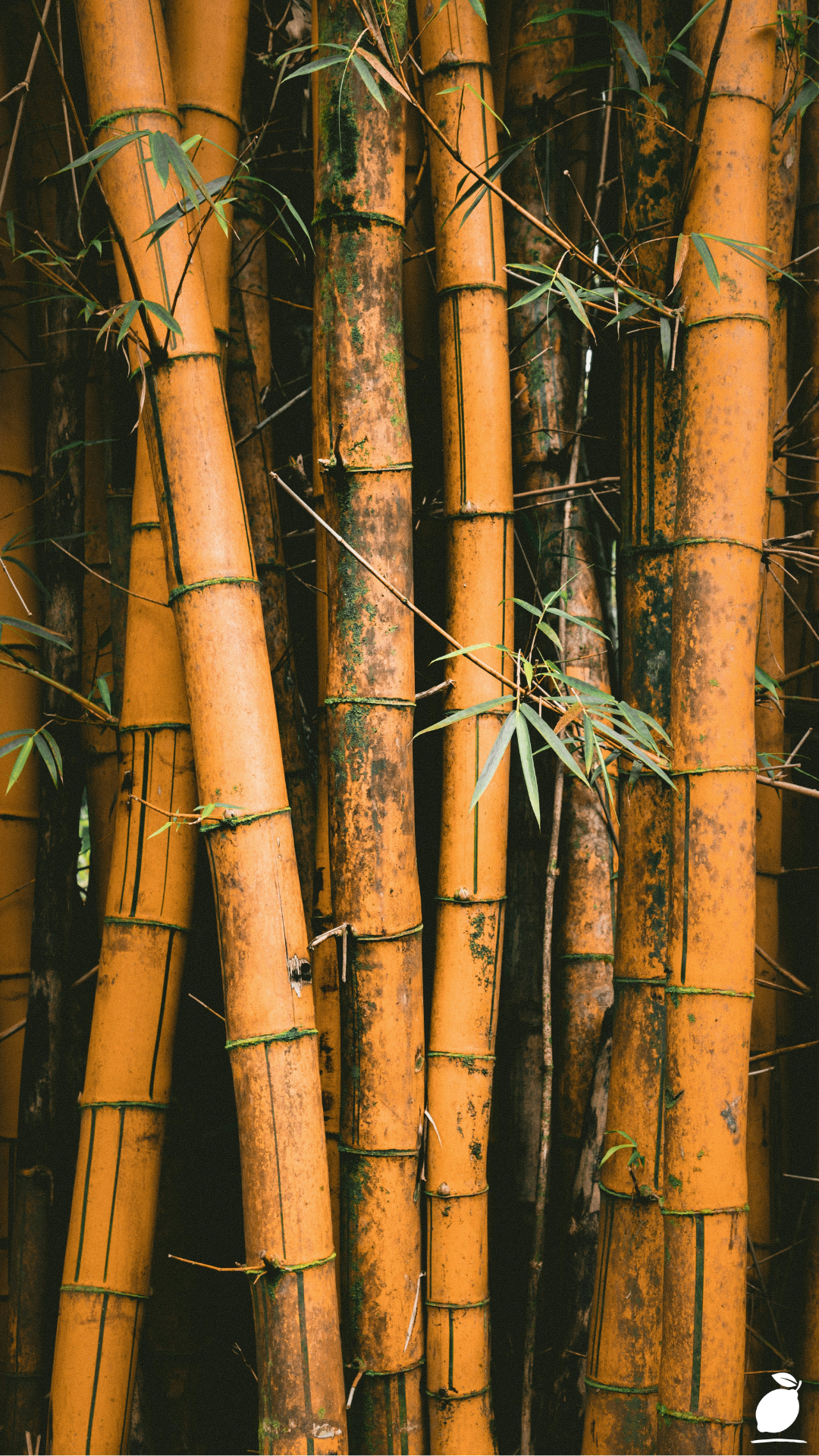
Bamboo in the garden is not just a landscaping decision. It is a change in the quality of daily experience that accumulates quietly and continuously from the moment it reaches screening height. The garden that was previously a space you used with a residual awareness of being overlooked or exposed becomes an enclosure, a room, effectively, where the ceiling is the sky, and the walls are living, breathing, moving. That shift in the spatial quality of the outdoor space changes how you use it, how long you stay in it, and how much it genuinely restores you. Bamboo does not just screen the view. It creates an environment.
For families, the screened garden is the garden that gets fully inhabited. Children play more freely in a space that feels bounded and private. Adults sit for longer, eat outside more often, and have the kind of uninterrupted outdoor conversations that do not happen at a table, where the peripheral awareness of being visible keeps attention slightly divided. Bamboo creates the conditions for genuine outdoor relaxation, not the performance of relaxation in a space that still demands a level of social self-awareness, but the real thing: unhurried, absorbed, present. That quality of outdoor experience has a measurable effect on family wellbeing that compounds across every summer season, the bamboo stands.
And for the gardener, bamboo offers one of the most satisfying long-term plant relationships available. It responds to good care with visible, dramatic growth. It communicates its needs clearly, leaf rolling for water, slow growth for nutrition, and responds immediately to the right intervention. It is harvested, thinned, and maintained in a way that makes the gardener feel genuinely productive rather than merely decorative. And it rewards patience with permanence: a bamboo grove well-established is an asset that increases in density, height, and visual impact year after year without replacement, without renovation, and without the annual re-purchase cost of seasonal plants. That is the kind of garden value that matters most, not the instant result, but the lasting one.
Frequently Asked Questions
Is bamboo difficult to control once established?
Clumping bamboo species, Fargesia in particular, are inherently self-contained and require no containment infrastructure. They spread slowly outward from the original planting point and are easily managed by digging back the outer edge of the clump with a sharp spade once every two to three years. Running bamboo requires a properly installed root barrier for domestic garden use, but within that barrier, it is completely manageable with annual rhizome inspection. The reputation of bamboo as uncontrollable derives almost entirely from running species planted without containment, an entirely avoidable situation.
How long does bamboo take to form a full privacy screen?
From a standard nursery container (3–5 liters), clumping bamboo typically forms a meaningful privacy screen within three to four years, reaching full screening height in five to six years under good conditions. Running bamboo grows faster once established, with meaningful screening within two to three years, full height within four, but requires the additional investment of root barrier installation. Planting larger specimen bamboo in 15–30 liter containers reduces these timelines significantly, with some specimens providing partial screening in their first or second season.
Can bamboo be grown in containers?
Yes, both clumping and running bamboo species can be grown in large containers, which is one of the most practical ways to use running species in domestic gardens without root barrier infrastructure. Use the largest container available, a minimum of 50 liters, for any species expected to provide meaningful screening in a free-draining, nutrient-rich compost. Feed generously through the growing season and water consistently, as containerized bamboo dries out faster than in-ground planting. Repot every two to three years or divide and replant when the container becomes congested with roots.
Does bamboo lose its leaves in winter?
Most bamboo species used in domestic gardens are evergreen and retain their foliage year-round, making them particularly valuable as winter privacy screens when deciduous hedging plants are bare. Fargesia species are reliably evergreen in temperate climates. Some foliage loss occurs naturally in spring as old leaves are shed and replaced by new growth. This is normal and not a sign of ill-health. In severe frost events, bamboo foliage may brown temporarily but recovers as temperatures rise, with new growth emerging from intact canes in spring.