There’s a particular kind of quiet defeat that happens in the garden center every spring. You walk in with good intentions and a loose budget, and you walk out with a flat of flowers to grow from seeds that are already blooming, already beautiful, and already halfway through their lives.
You plant them, water them faithfully for two weeks, and then one hot afternoon, one missed watering, one unexpected cold snap, they’re gone. And you’re back to square one, forty dollars lighter, wondering why you bother. The truth is, you’re not bad at gardening. You’ve just been starting in the wrong place. The real joy, the real connection, the real pride, it starts much earlier than the garden center. It starts with a seed
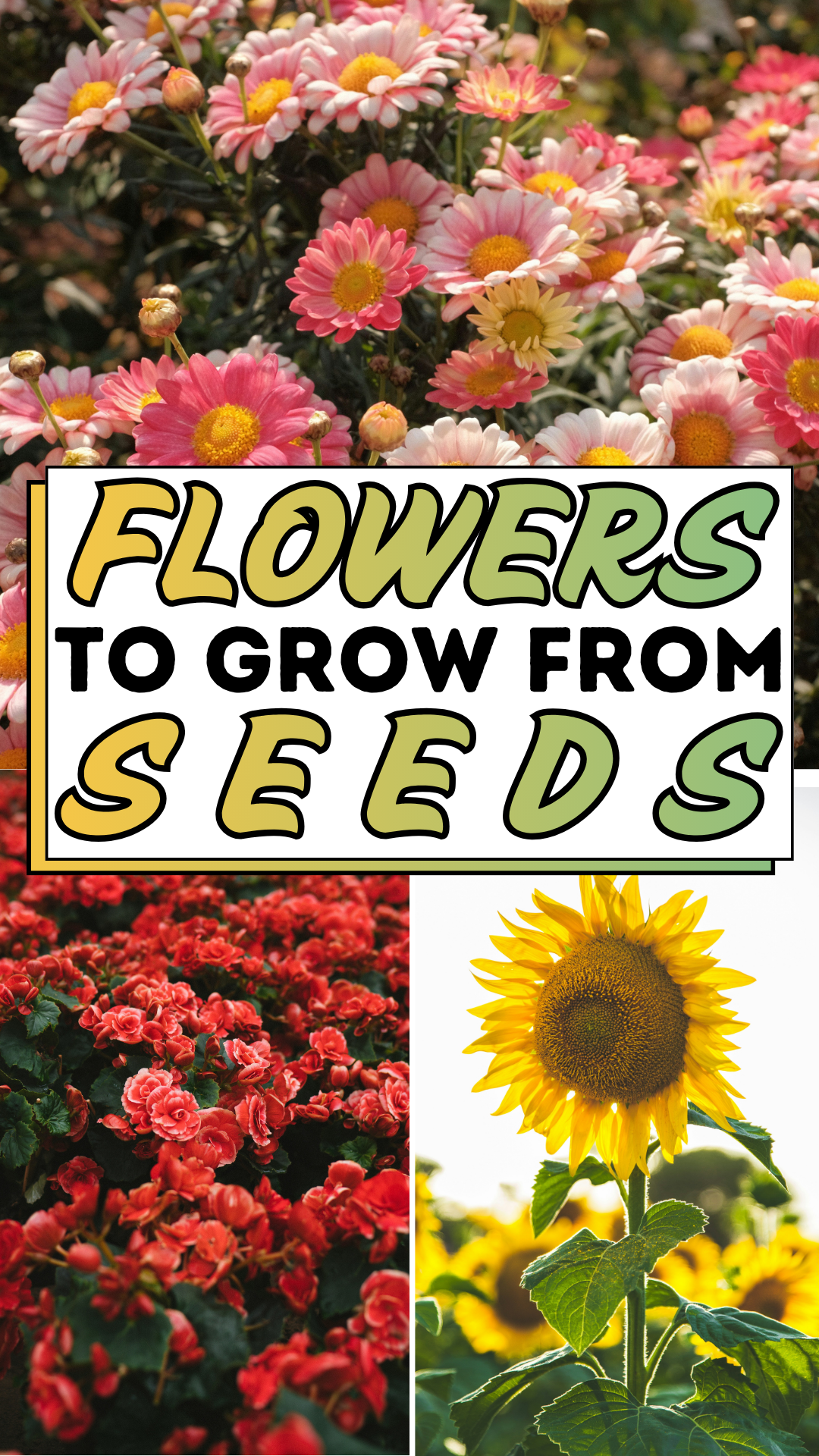
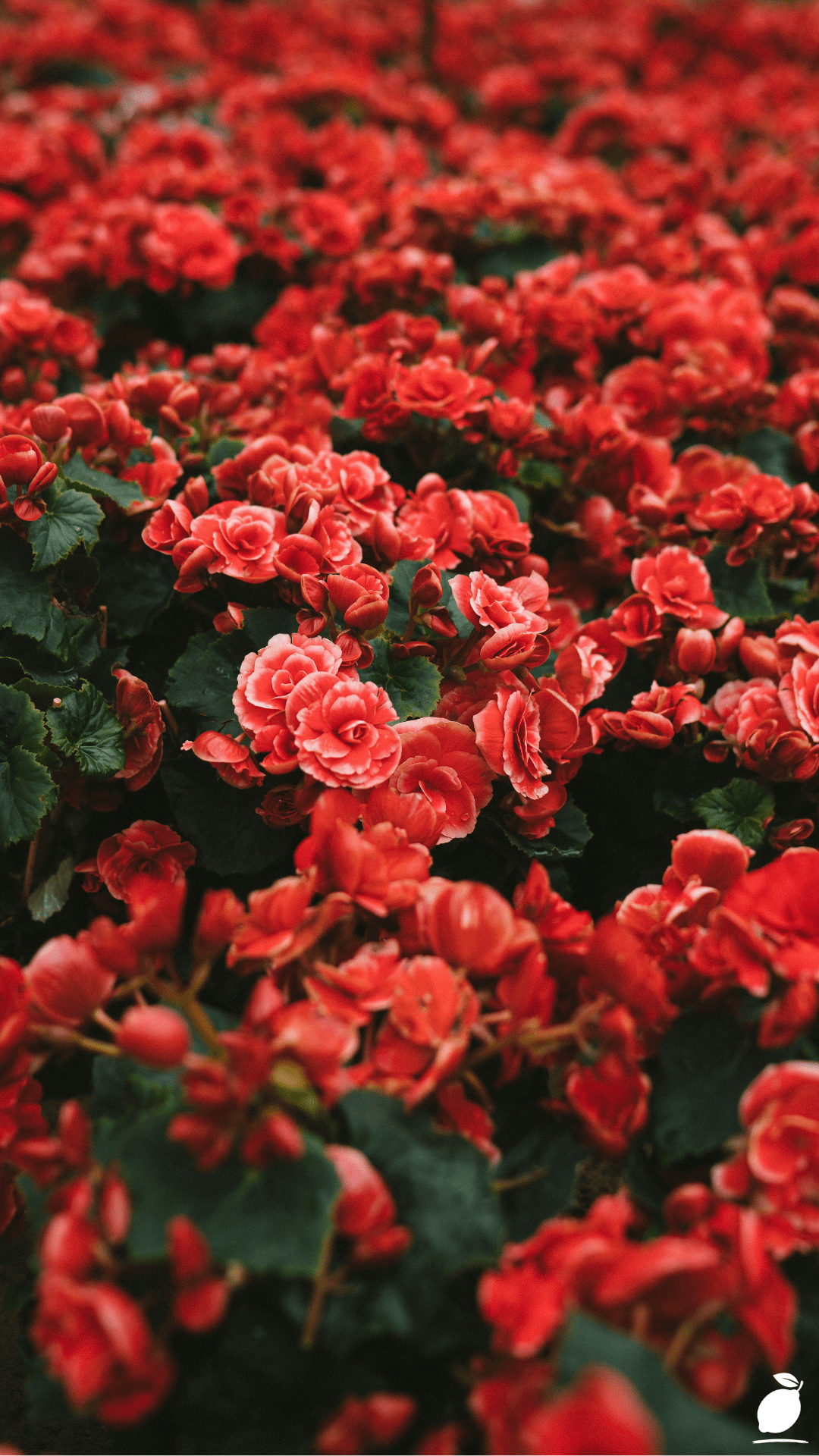
Look at those begonias above. That dense, cascading wall of coral-pink blooms, layered and lush and utterly alive. They didn’t arrive that way. Every single one of those flowers began as something almost impossibly small, a fleck of potential tucked into soil, given water and light and time. Growing flowers from seeds is one of those experiences that sounds intimidating until you do it, and then suddenly you can’t imagine doing it any other way. The cost drops dramatically. The variety opens up completely. And something shifts in you when you watch a stem you grew from nothing push its first true leaves toward the light.
At Easy Peasy Life Matters, we believe that the most grounding, most satisfying things in life are often the ones that ask you to slow down and start from the beginning. This guide to the best flowers to grow from seeds is exactly that: a starting point. Whether you have a sprawling backyard, a modest balcony, or just a few pots on a windowsill, these are the flowers that reward beginners generously, bloom reliably, and turn a patch of soil into something that genuinely takes your breath away.
The Flowers To Grow From Seeds: Guide
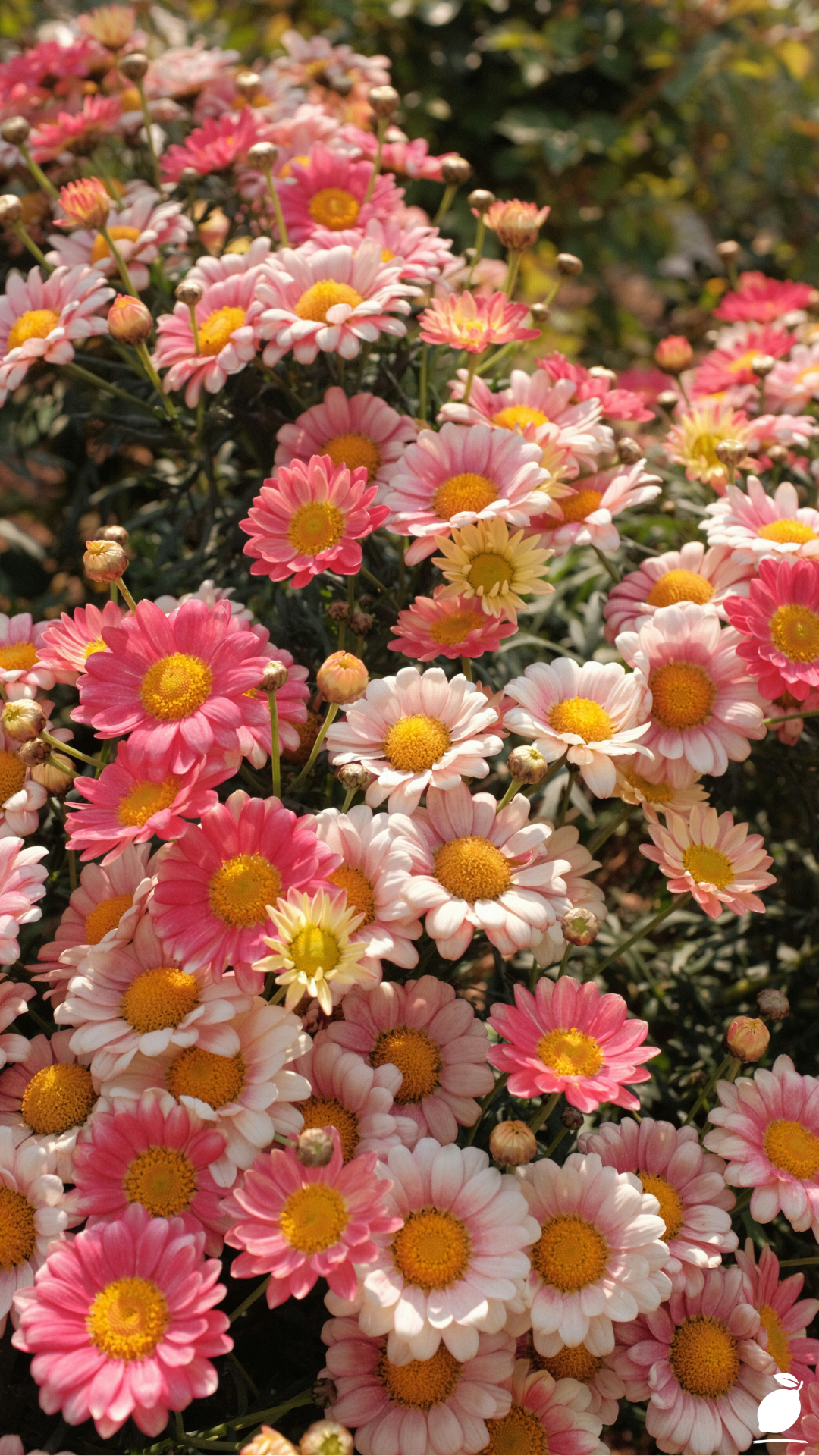
Not every flower is equally forgiving when grown from seed, so this list is curated specifically for growers who want reliable results, stunning blooms, and the deep satisfaction of doing it themselves. Each entry includes a note on why it works, so you understand your garden, not just follow instructions.
1. Sunflowers (Helianthus annuus)
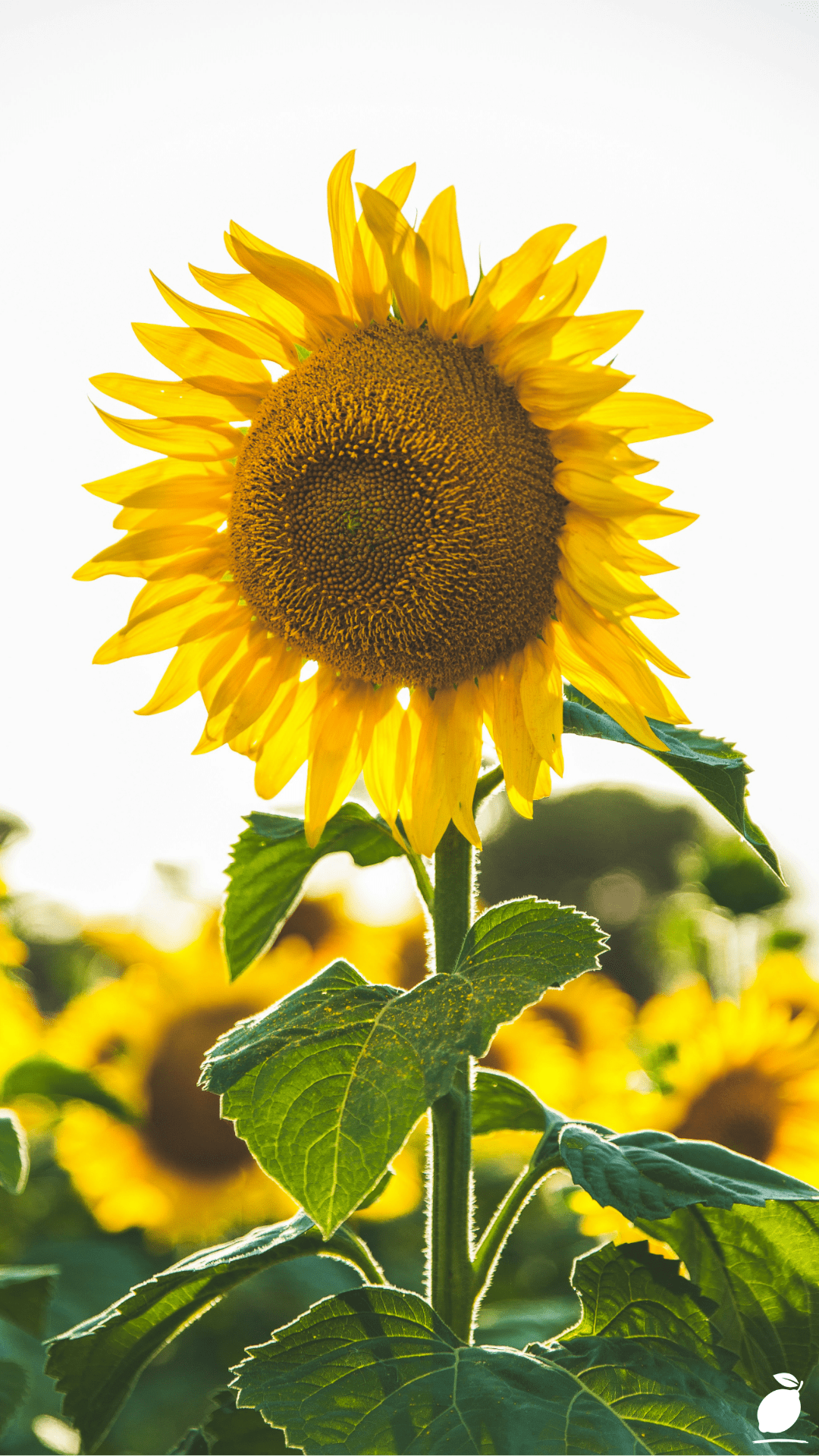
Why it works: Sunflowers are arguably the most forgiving flowers to grow from seeds, making them the perfect first project for anxious beginners. Their seeds are large, easy to handle, and germinate quickly, often within 7 to 10 days. They grow fast, reach impressive heights, and produce dramatic blooms that reward the effort visibly and generously. Direct-sow them where they’ll grow (they dislike transplanting) after the last frost, give them full sun and minimal fuss, and they’ll do the rest entirely on their own.
2. Zinnias (Zinnia elegans)
Why it works: Zinnias are the workhorses of the summer cutting garden, and among the easiest flowers to grow from seeds in warm weather. They germinate in 5 to 7 days, bloom in as little as 8 weeks from sowing, and keep producing flowers the more you cut them, making them as practical as they are beautiful. They come in an extraordinary range of colors, from pale cream to vivid coral to deep burgundy, and they attract butterflies and pollinators all season long. Sow directly into the garden after frost danger has passed and watch them explode.
3. Begonias (Begonia semperflorens)
Why it works: Those cascading coral-pink blooms in the image above are proof of what begonias can do when given a chance. Begonias grown from seed take patience; they’re tiny, dust-like seeds that need warmth and consistent moisture to germinate, but the payoff is extraordinary. Start them indoors 12 to 14 weeks before your last frost date, surface-sow on moist seed-starting mix without covering, and keep them under grow lights. Once established, begonias bloom continuously from summer through the first hard frost, making them one of the longest-performing flowers to grow from seeds on this entire list.
4. Cosmos (Cosmos bipinnatus)
Why it works: Cosmos is the definition of effortless abundance. These feathery, daisy-like flowers in shades of pink, white, and magenta thrive on neglect; in fact, they do better in poor soil than rich soil, making them perfect for challenging spots in the garden. Direct-sow after the last frost, barely cover with soil, and germination happens within 7 days. They grow quickly to 3–4 feet tall, self-seed prolifically (meaning they may return on their own next year), and create a wildflower meadow effect that looks professionally designed without any real effort on your part.
5. Marigolds (Tagetes)
Why it works: Marigolds are among the most reliably cheerful flowers to grow from seeds, and they bring a practical bonus: their strong scent naturally deters aphids, whiteflies, and other common garden pests. Germination is fast, 5 to 7 days, and seedlings are sturdy and easy to manage. Start 6 to 8 weeks before the last frost or direct-sow after the frost. French marigolds stay compact and tidy; African marigolds grow tall and bold. Either way, they bloom from late spring through hard frost and ask almost nothing in return.
6. Nasturtiums (Tropaeolum majus)
Why it works: Nasturtiums are the flower for anyone who has ever felt like they can’t grow anything. Their seeds are large, round, and almost cartoonishly easy to handle. Sow them directly in the garden; they actively dislike being transplanted in a sunny spot with average or poor soil. Don’t fertilize; it encourages leaves over flowers. Within two weeks, you’ll have seedlings, and within six, you’ll have a tumbling cascade of orange, red, and yellow blooms. Bonus: Every part of the nasturtium is edible, with a peppery flavor that’s beautiful in salads.
7. Sweet Peas (Lathyrus odoratus)
Why it works: Sweet peas are the romantic’s flower, delicate, ruffled, and intensely fragrant in a way that feels almost old-fashioned. They’re cool-season growers, which means you sow them in early spring or even late autumn for a spring bloom. Nick the seed coat with a nail file and soak overnight before planting to speed germination. They climb, so give them a trellis or fence. The reward armfuls of fragrant, pastel blooms in lavender, blush, white, and crimson is one of the most genuinely moving things a garden can produce.
8. Black-Eyed Susans (Rudbeckia hirta)
Why it works: Black-eyed Susans are native wildflowers that have been widely cultivated for good reason. They bloom generously, tolerate heat and drought, attract native pollinators, and look beautiful in both formal borders and casual cottage gardens. As flowers to grow from seeds, they’re wonderfully accommodating: start 8 to 10 weeks indoors before the last frost or direct-sow in early spring. They bloom their first year from seed and often self-seed to return reliably in subsequent years, giving you a perennial-like result from an annual investment.
9. Larkspur (Consolida ajacis)
Why it works: Larkspur is the cool-season cut flower that most seed catalogs don’t promote loudly enough. These tall, spiky blooms in blue, purple, pink, and white look expensive in a vase and are remarkably easy to grow from seed when the timing is right. Direct-sow in early spring while the soil is still cool, or even scatter seeds in autumn to overwinter and germinate naturally in spring. They resent transplanting, so sow where they’ll stay. Once established, they need little attention and produce armloads of cottage garden beauty.
10. Morning Glories (Ipomoea purpurea)
Why it works: Morning glories are the classic vining flower for fences, trellises, mailboxes, and pergolas, and they’re among the fastest-growing flowers to grow from seeds you’ll find. Soak the seeds overnight before planting to soften the hard seed coat, then direct-sow after the last frost in a sunny spot. They germinate within a week and grow with almost alarming speed. Vines can reach 10 feet or more in a single season. Each flower lasts only one day, but new blooms open every morning in shades of deep purple, sky blue, and magenta, creating a daily ritual of discovery that never gets old.
Expert Secrets for Success
Pro-Tips for Better Results
- Start with quality seed-starting mix, not garden soil. Garden soil compacts in containers and can harbor pathogens that kill seedlings. A sterile, lightweight seed-starting mix gives roots room to grow and minimizes damping-off disease.
- Label everything immediately. Seedlings look identical in their first weeks. Write the variety and sowing date on a stake before you water. Future-you will be very grateful.
- Bottom water your seed trays. Instead of watering from above (which can dislodge tiny seeds and encourage surface mold), set trays in a shallow container of water and let them absorb moisture from below. Remove once the surface is visibly damp.
- Harden off before transplanting. Seedlings started indoors need a gradual introduction to outdoor conditions. Set them outside in a sheltered spot for an hour on day one, two hours on day two, and so on over 7 to 10 days before planting out. Skipping this step causes transplant shock that can set plants back weeks.
- Thin seedlings without guilt. It feels wasteful, but overcrowded seedlings compete for light, water, and nutrients and produce weak plants. Thin to the recommended spacing, and the plants that remain will reward you with significantly stronger growth and more blooms.
- A heat mat transforms germination rates. Many flower seeds germinate best with bottom heat of 65–75°F. A seedling heat mat is one of the most cost-effective tools a seed grower can own.
Common Mistakes to Avoid
- Sowing too deeply. Most flower seeds need only light coverage. The general rule is to sow at a depth of twice the seed’s diameter. Very fine seeds like begonias and petunias need no covering at all. Burying them too deep prevents germination entirely.
- Overwatering seedlings. More seedlings are killed by overwatering than by drought. Wait until the top layer of soil feels dry before watering again, and always ensure your containers have drainage holes.
- Starting too early indoors. It’s tempting to start seeds in January, but leggy, root-bound seedlings that have been waiting too long for outdoor conditions often perform worse than seeds sown on the correct schedule. Always count back from your last frost date, not from the calendar date.
- Ignoring light requirements. Most flower seedlings need 14 to 16 hours of bright light per day, far more than a sunny windowsill provides in winter. Without a grow light, seedlings stretch toward any available light and become weak and spindly. Invest in even a basic LED grow light for dramatically better results.
- Planting cool-season flowers too late. Sweet peas, larkspur, and snapdragons bolt and decline in summer heat. If you miss their early-spring sowing window, you’ll miss their bloom entirely. Mark your sowing dates in your calendar at the start of each year.
- Giving up after one failure. Seeds are not a guarantee; they’re a probability. Even experienced gardeners lose batches to mold, cold, or bad timing. The cost of a seed packet is low enough that failure is always worth repeating with a small adjustment.
Why Do Flowers To Grow From Seeds
There’s a rhythm to growing flowers from seeds that modern life doesn’t offer very often: the rhythm of genuine patience, of daily small attention, of watching something fragile become something strong. In a world that delivers almost everything instantly, tending a seed tray asks you to slow down, show up consistently, and trust a process you can’t rush. That practice has a way of bleeding outward. The calm you build at the potting bench follows you into the kitchen, the office, the school pickup line. Gardening from seed isn’t just a hobby; it’s a form of quiet resistance to the relentlessness of everything else.
For families, growing flowers to grow from seeds together is one of the most underrated bonding experiences available. Children who watch a seed germinate, who thin seedlings and water carefully, and eventually cut flowers to bring inside, are learning something that no classroom can fully teach: that living things require care, that patience yields reward, and that they are capable of nurturing something beautiful into existence. That lesson lands differently when it’s a flower they grew with their own hands. It stays.
At Easy Peasy Life Matters, we come back to this truth again and again: the small, slow, intentional things are the ones that fill a home with genuine peace. A windowsill of seedlings catching the morning light. A cutting garden that blooms because you started it from almost nothing. Flowers on the table that you grew yourself. These aren’t trivial pleasures; they are the texture of a life well-lived. And they begin, every single time, with a seed.
Frequently Asked Questions
What are the easiest flowers to grow from seeds for beginners?
Sunflowers, zinnias, marigolds, nasturtiums, and cosmos are consistently the easiest flowers to grow from seeds for first-time growers. They germinate quickly, tolerate imperfect conditions, and produce abundant blooms with minimal intervention. Any of these five makes an excellent starting point.
When should I start growing flowers from seeds indoors?
Most flowers grown indoors from seed should be started 6 to 10 weeks before your last expected frost date. Begonias and petunias need the longest lead time (12 to 14 weeks). Cosmos, zinnias, and marigolds can be direct-sown outdoors after frost and still bloom well within the season.
Do I need a grow light to grow flowers from seeds indoors?
For best results, yes. A windowsill rarely provides the 14 to 16 hours of bright light that seedlings need, especially in late winter and early spring. Even a basic LED grow light positioned 2 to 4 inches above seedlings makes a significant difference in stem strength and overall plant health.
How deep should I plant flower seeds?
The general rule is to sow at a depth of twice the seed’s diameter. Very fine seeds like begonias, petunias, and snapdragons should be surface-sown on moist mix and not covered at all, as they need light to germinate. Always check the seed packet for variety-specific instructions.
Can I grow flowers from seeds directly in the garden?
Many flowers that grow from seeds actually prefer direct sowing and don’t transplant well. Sunflowers, nasturtiums, cosmos, larkspur, and morning glories all fall into this category. Wait until after your last frost date (or as directed for cool-season varieties), sow at the recommended depth, keep the soil consistently moist until germination, and thin to proper spacing once seedlings emerge.
How long does it take for flowers to bloom from seed?
It varies by variety. Fast bloomers like zinnias and marigolds can flower in 8 weeks from sowing. Begonias started from seed may take 4 to 5 months to reach full bloom. Most common garden flowers fall somewhere in the middle, 10 to 14 weeks from sowing to first flower, which is why starting seeds on the right schedule relative to your last frost date is so important.