It was like a war zone right outside my back door. My backyard was becoming a daily source of torment for me. From the moment I stepped out of my house to drink my morning coffee or watch my kids in the yard, I was viciously harassed by thousands of mosquitoes and gnats. I felt like I had failed at being a good homeowner by creating an unusable space at my house.
I worked so hard to create a peaceful outdoor living space, but every time I lit a citronella candle or sprayed myself with bug spray, dragonflies, the air remained filled with undesirable elements. My sanctuary, which I put so much effort into creating, has become a miserable place where I have to deal with constant buzzing and biting from pesky flying insects. I found myself wanting to run inside the house and shut the window blinds on my lovely backyard.
The frustration came to a boiling point when we attempted to have a family barbecue in our backyard. It lasted less than twenty minutes before we were being eaten alive by flying insects! I started to feel defeated about the many hours I spent trying to create a peaceful outdoor environment for my family, only to have it taken over by flying insects I had no control over.
I needed a solution to my problem that didn’t involve using harsh chemicals on my property to get rid of flying insects and didn’t require the installation of disgusting bug zappers that flickered and made an obnoxious noise. I needed a natural and peaceful solution that would allow me to get my backyard back and give it back as a gift to my family.
The Dragonflies Blueprint
Transforming your yard into a haven for these winged wonders requires a strategic approach. Follow this blueprint to turn your outdoor space into a dragonfly destination.
Step 1: Install a Water Feature or Wildlife Pond
Dragonflies spend the majority of their lives as nymphs underwater. To attract them, you need a water source. It doesn’t have to be a massive lake; even a small pre-formed pond or a deep birdbath with stones can work.
Why it works: A pond provides a place for dragonflies to lay eggs and for the larvae to develop. Ensure the water is still or has a very low flow, as dragonflies prefer calm environments for breeding.
Step 2: Incorporate Aquatic and Emergent Plants
A bare pool of water isn’t enough. You need plants that grow both under and above the water line, such as water lilies, horsetail, or pickerelweed.
Why it works: Emergent plants, those that grow in water but stick out above the surface, provide the necessary “ladders” for dragonfly nymphs to climb out of the water when they are ready to transform into adults. They also offer perches for adults to rest and hunt.
Step 3: Add “Flat-Top” Perching Stations
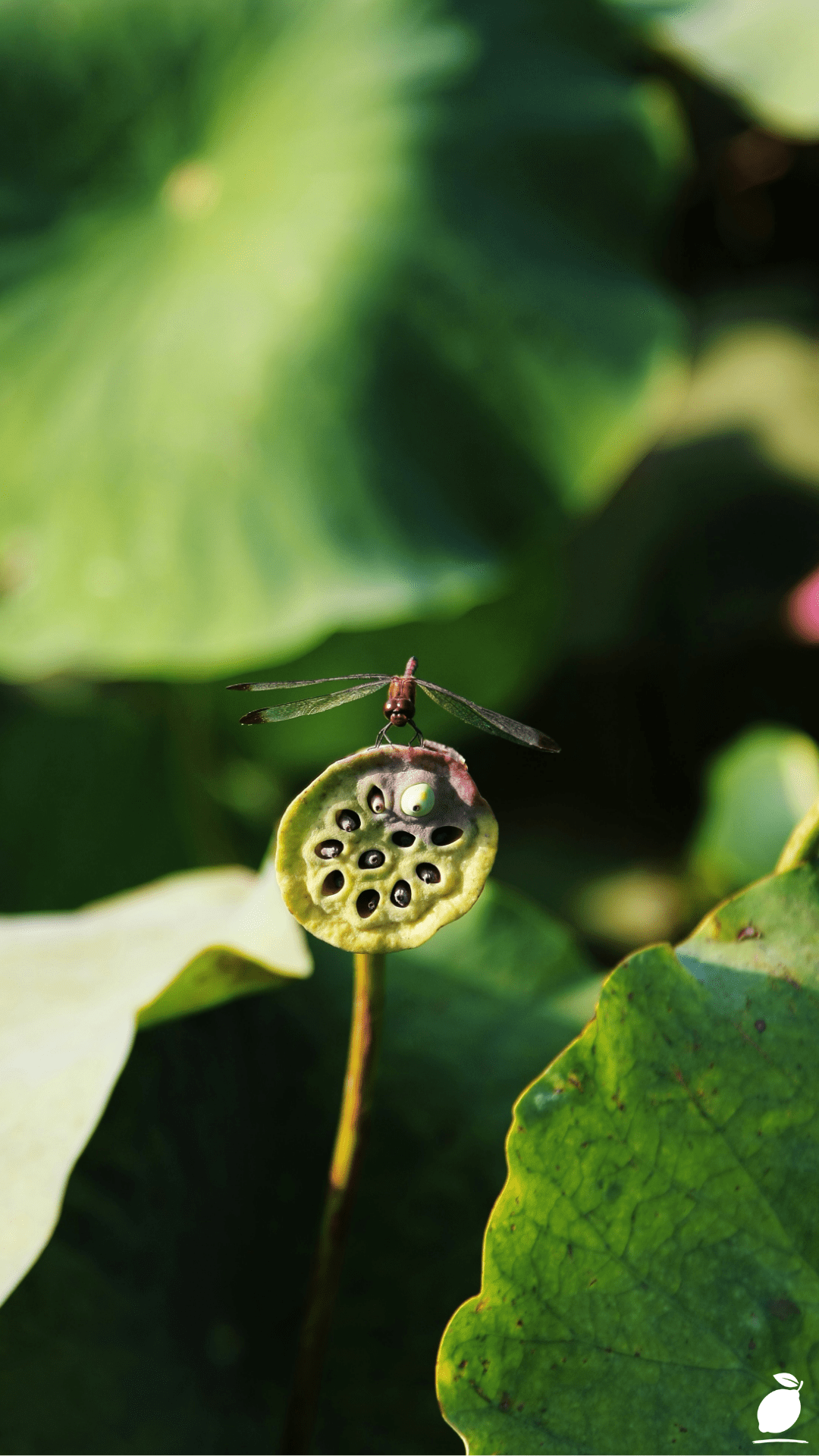
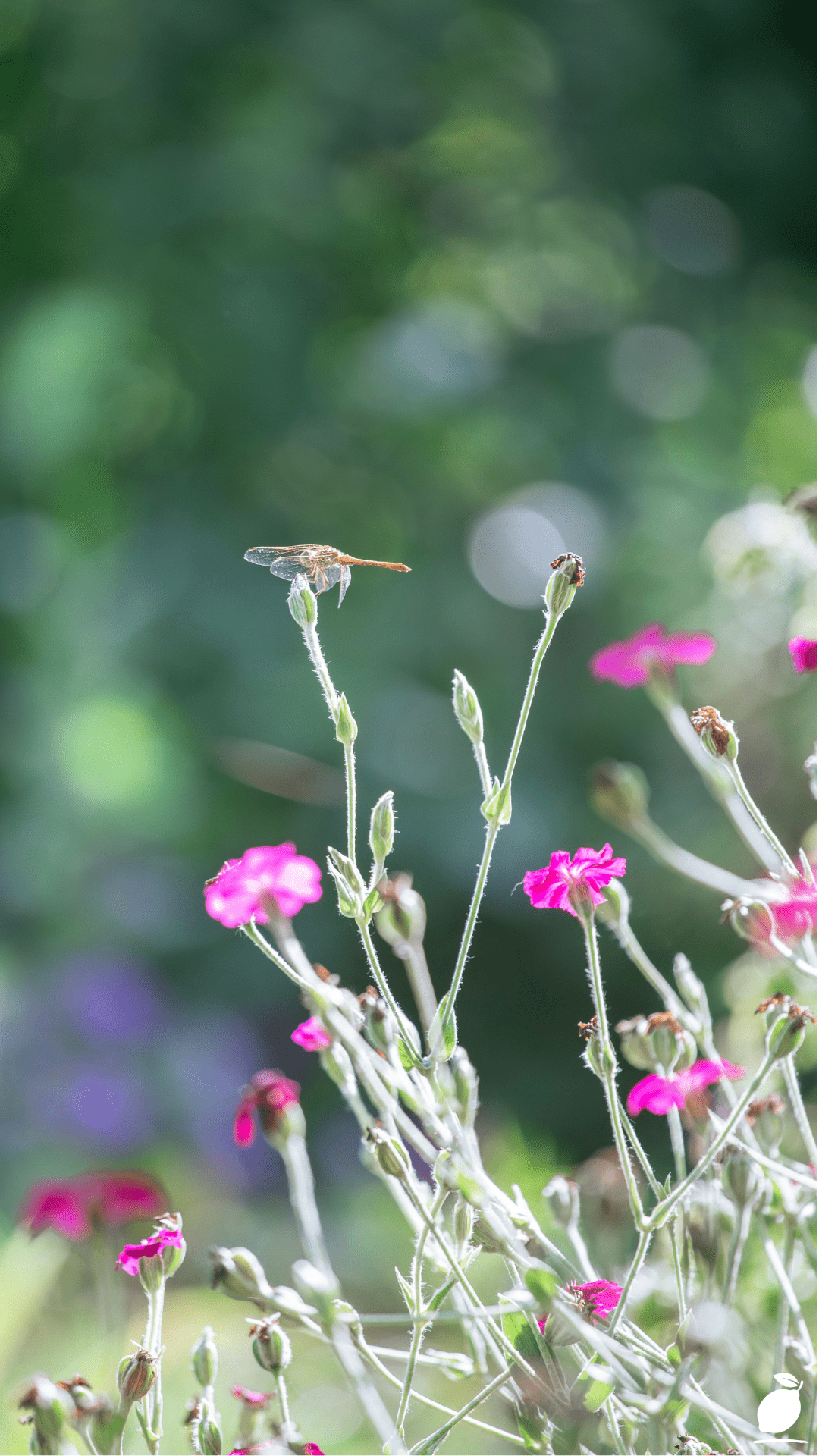
As seen in our featured image, dragonflies love to survey their kingdom from a steady vantage point. Aside from leaves, you can place tall bamboo stakes or decorative flat stones around your water feature.
Why it works: Dragonflies are territorial hunters. Having multiple perching stations allows several dragonflies to inhabit the same garden, each claiming a “throne” from which they can spot and intercept passing mosquitoes.
Step 4: Choose Pollinator-Friendly Flora
While adult dragonflies eat insects, they are attracted to gardens that are full of life. Planting a variety of native flowers like Black-eyed Susans, Joe Pye Weed, and Meadow Sage will attract the smaller insects that dragonflies prey upon.
Why it works: You are essentially creating a self-sustaining food court. By attracting diverse insect life, you ensure the dragonflies have a consistent reason to stay in your garden rather than hunting elsewhere.
Expert Secrets for Success
Pro-Tips for Better Results
- The “Sun-Basking” Stone Trick: Place a few dark, flat rocks in a spot that receives full morning sun. Dragonflies are cold-blooded and will use these stones to warm up their flight muscles, making your garden their favorite spot to start the day.
- Create a Windbreak: Dragonflies are incredible fliers, but they prefer hunting in areas protected from heavy gusts. Use tall shrubs or a decorative fence to create a pocket of still air where they can maneuver easily.
- Diverse Plant Heights: Mix low-growing groundcovers with mid-sized shrubs and tall perennials. This structural diversity mimics their natural habitat and provides various levels of cover and hunting grounds.
Common Mistakes to Avoid
- Using Broad-Spectrum Pesticides: This is the fastest way to ruin your progress. Pesticides kill the dragonflies directly and wipe out their food source. Embrace a chemical-free DIY philosophy for a truly healthy garden.
- Keeping the Water Too Clean: While you don’t want a stagnant, stinking mess, a “sterile” pond with high chlorine or heavy filtration won’t support life. Aim for a balanced ecosystem with beneficial bacteria and natural plant filtration.
- Introducing Large Fish: If you add large goldfish or koi to a small pond, they will likely eat the dragonfly nymphs before they ever get a chance to fly. Stick to very small fish or no fish at all to maximize your dragonfly population.
Why Dragonflies Matter
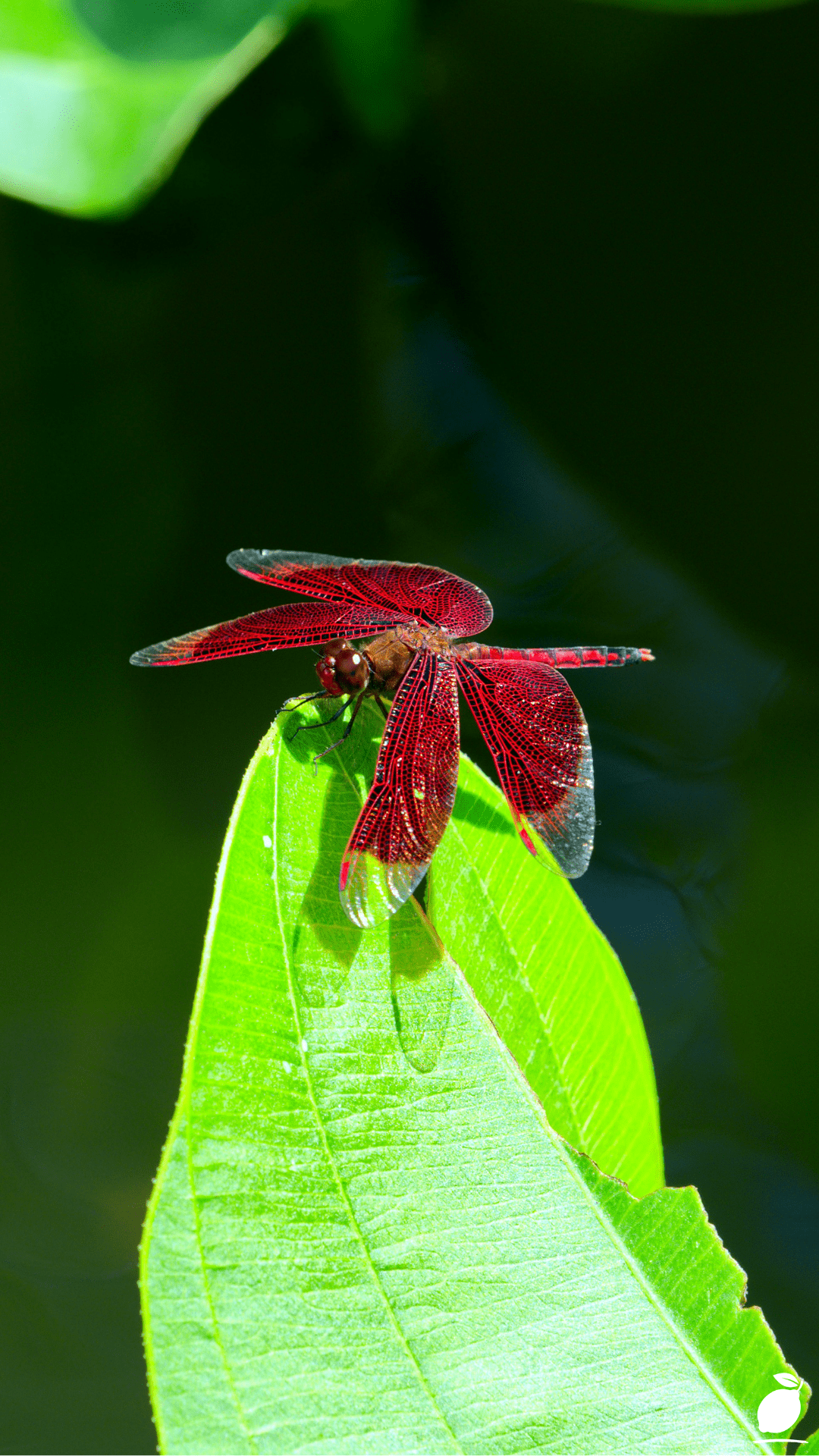
At Easy Peasy Life Matters, we believe that your garden is more than just property; it is a tool for mental clarity. The “mess” of a pest-infested yard creates a subconscious barrier to relaxation. When you successfully attract dragonflies, you are participating in a high-value DIY project that pays dividends in family peace. There is something deeply meditative about watching a dragonfly hover with precision, its metallic wings glimmering in the sun; it grounds you in the present moment.
Furthermore, a dragonfly-filled garden is a safer, happier place for children and pets to explore without the constant irritation of bites. It teaches the family about the delicate balance of nature and the rewards of patience. When the mosquitoes disappear, and the dragonflies take over, the “itchy” energy of your life is replaced by a sense of accomplishment and a quiet, vibrant beauty that nourishes the soul.
FAQ
How many mosquitoes can a single dragonfly eat?
A single dragonfly can consume hundreds of mosquitoes per day. They are incredibly efficient hunters with a success rate of over 95%, making them far more effective than any store-bought trap.
Will dragonflies bite me or my pets?
No. Despite their fierce name and predatory nature toward other insects, dragonflies do not sting and generally do not bite humans or pets. They are completely harmless to have around your family.
Do I need a large yard to attract them?
Not at all. You can attract dragonflies even in a small urban garden or on a patio by using a container water garden and a few well-placed perching plants. They are highly mobile and will find any suitable habitat.
How long do dragonflies live?
The adult phase of a dragonfly usually lasts for a few weeks to a few months. However, their presence in your garden will be seasonal, with new adults emerging throughout the warmer months if you have a stable water source.