The afternoon sun used to feel like an adversary in my old garden. Every July, I would find myself standing over a patch of parched, gasping hydrangeas and wilted hostas, frantically waving a garden hose as if I could solve a structural problem with a quick drenching. My backyard had become a source of daily stress, dry soil, a messy cycle of high-maintenance expectations meeting the harsh reality of a low-rainfall climate.
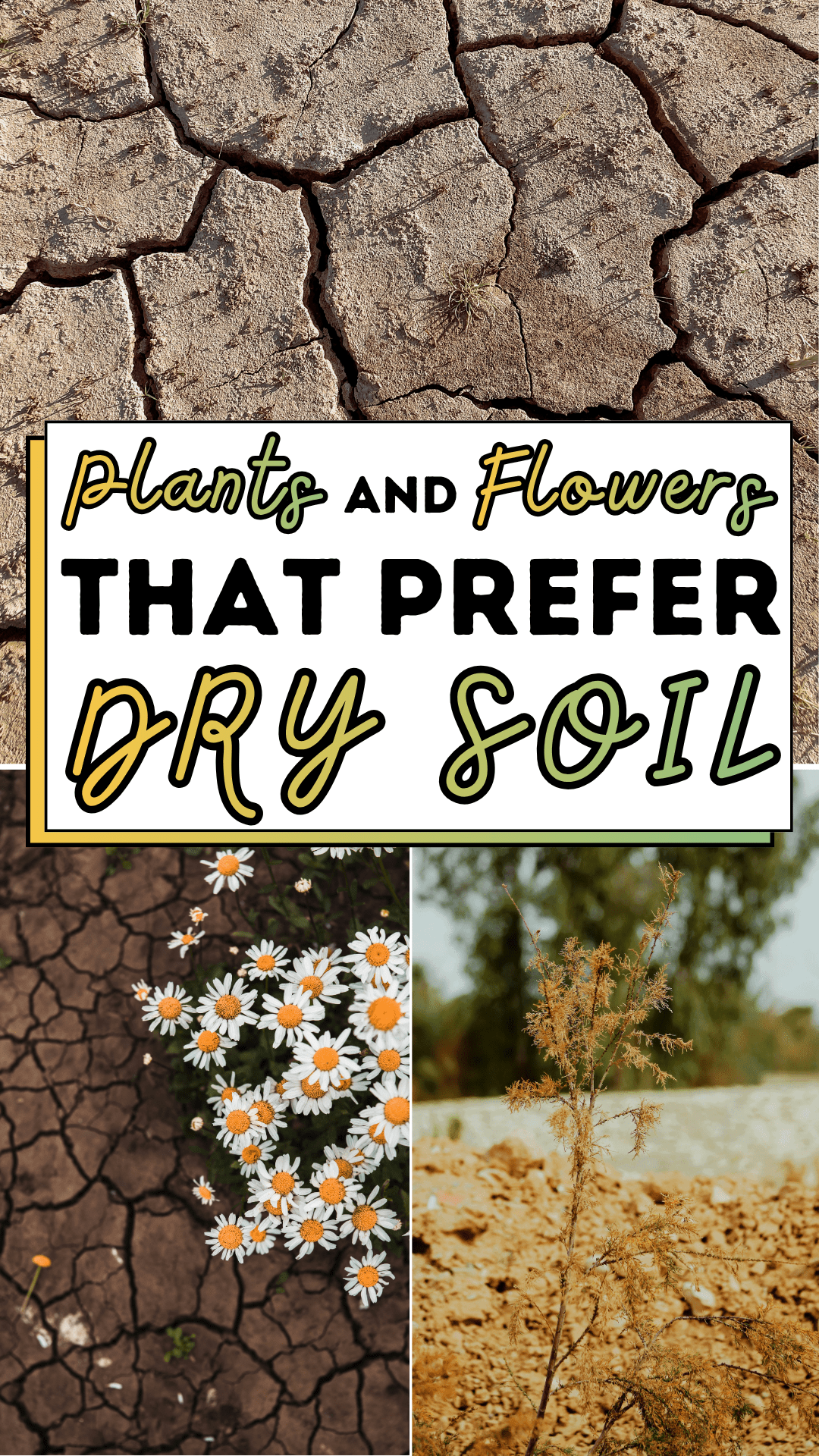
I was spending my weekends lugging heavy watering cans and staring at high water bills, yet my outdoor space still looked like a battleground of brown edges. The mental load of keeping thirsty plants alive in a desert-like environment was a weight I didn’t need in an already busy life.
I realized the struggle wasn’t my lack of effort; it was my lack of alignment. I was trying to force a lush, English-cottage aesthetic onto a landscape that was screaming for something different. This mismatch between my desires and my environment was creating a chaotic feedback loop. My garden, which was supposed to be a place, had become a graveyard of expensive nursery failures. I needed to stop fighting the heat and start embracing the resilience of nature. I needed to move away from the high-maintenance thirst and toward a strategy of survival and architectural beauty that thrived under pressure.
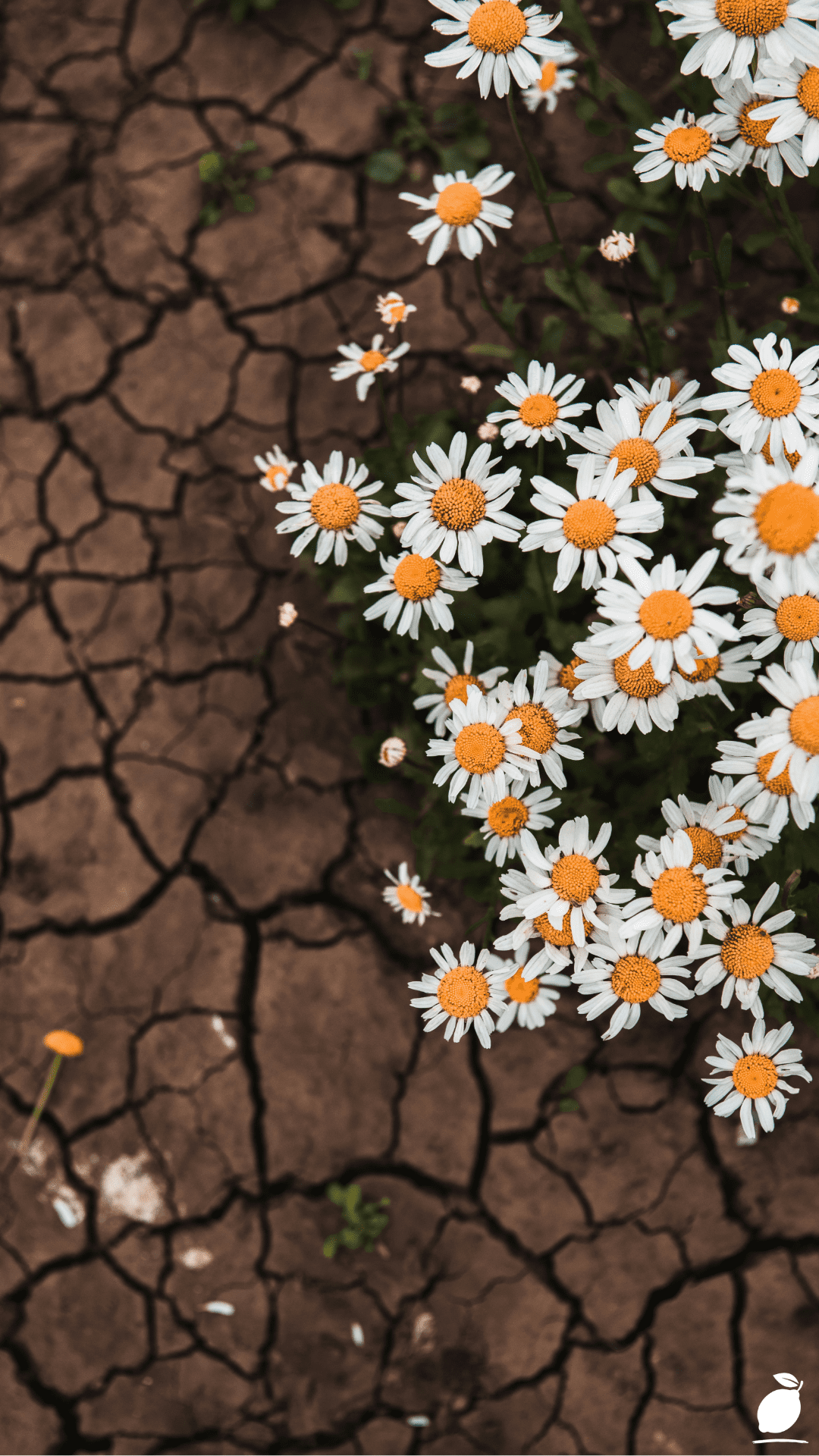
The moment I began to appreciate the beauty of plants and flowers that flourished in dry soil, my perception of the world changed. When I visualize the entire garden from an above view, I see dark brown earth with lots of texture, cracked into geometric shapes, where each of these cracks tells a tale of survival. In the middle of this dry and cracked earth, there are approximately 15-20 small white daisies with bright orange centres growing from the dry soil, which are showing us that nature will continue to survive no matter what.
The contrast and style of the bright white petals between the ruggedness of the cracked earth is a beautiful reminder of our earth-tone colour palettes and a connection to our groundedness. Therefore, this was not a landscape that was dying; it was a landscape that was alive in its true form. By choosing only plants that naturally thrive in dry soil conditions, you can create an entire landscape from being a high-stress area to an area where there is a complete sense of peace.
The Plants And Flowers That Prefer Dry Soil: Guide
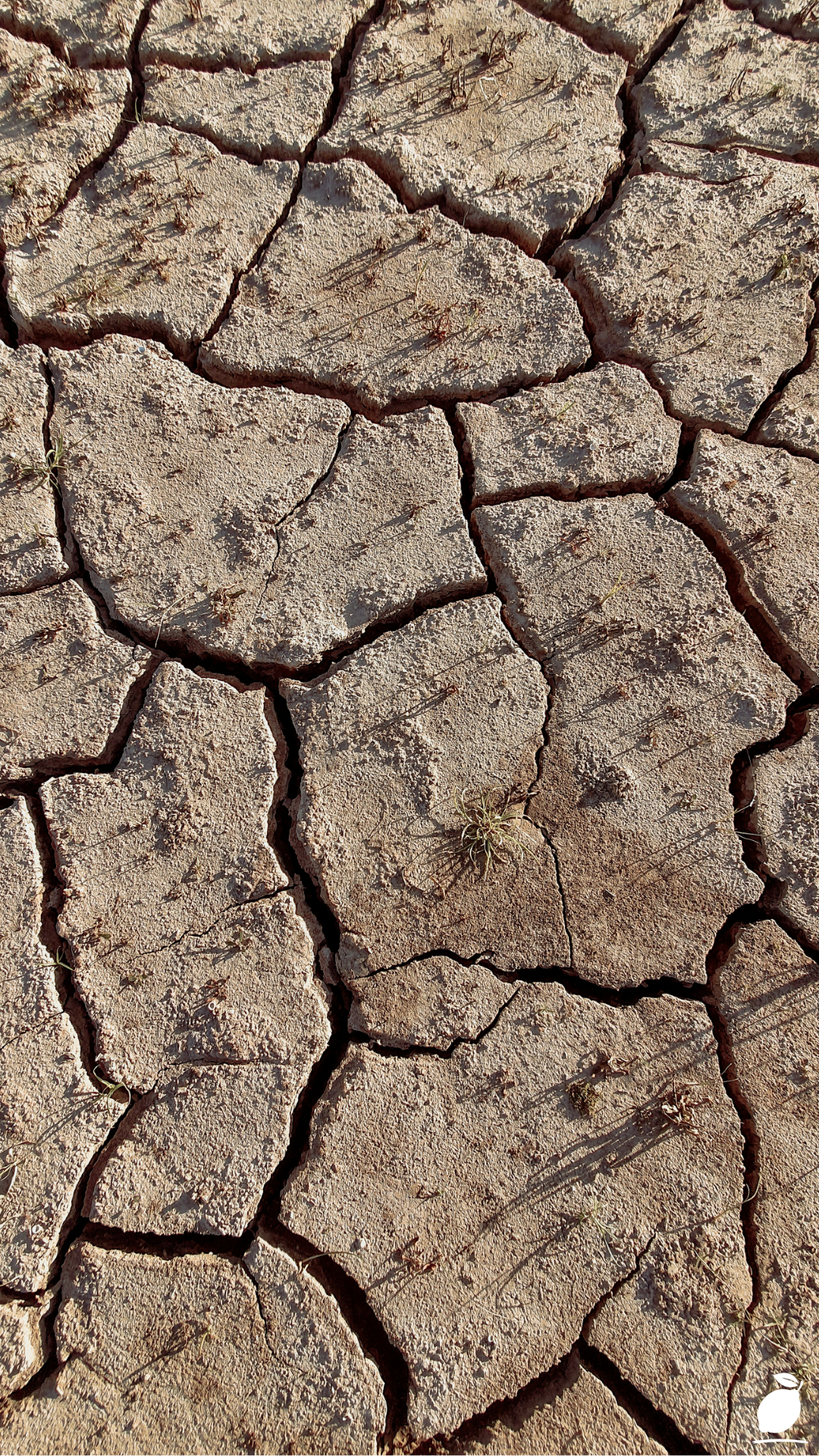
Creating a high-functioning garden in 2026 is about architectural layering and choosing tough-as-nails varieties. Here is a curated guide to the best performers for arid conditions.
Bellis Perennis (Common Daisy)
As seen in our inspiration image, these resilient beauties can grow right out of cracked, textured earth. They feature pure white petals and a sunny orange-yellow center that provides an immediate pop against dark brown earth.
Why it works: They are experts at finding moisture in deep, geometric cracks in the dry soil. Their low profile and clustered growth pattern create a dense carpet of color that requires almost zero supplemental watering once established.
Lavandula (Lavender)
Lavender is the crown jewel of the arid garden. With its silvery-green foliage and upright purple spikes, it brings both scent and structure to a parched landscape.
Why it works: Lavender actually dislikes wet feet. Its Mediterranean origins mean it thrives in sandy, gravelly, or drought-prone dry soil. It provides a soft, blurred background effect that emphasizes the crisp foreground of your more geometric plants.
Sedum (Stonecrop)
Sedums are succulents that store water in their fleshy leaves. They come in various textures, from creeping groundcovers to upright varieties like Autumn Joy that produce flat-topped flower clusters.
Why it works: These are the ultimate Easy Peasy plants. They are virtually indestructible and thrive in the very dry soil conditions that would kill traditional garden flowers. They bridge the gap between green vegetation and the raw texture of the earth.
Gaillardia (Blanket Flower)
With daisy-like petals in fiery red, orange, and yellow, the Blanket Flower is a heat-loving powerhouse. It thrives in full sun and continues to bloom even during the peak of a drought.
Why it works: It is highly tolerant of dry soil and attracts pollinators even when the rest of the neighborhood is dormant. It adds a vibrant saturation to a palette dominated by browns and earthy tones.
Echinops (Globe Thistle)
For a touch of modern, industrial texture, the Globe Thistle offers steel-blue, spherical flower heads on tall, sturdy stems.
Why it works: Its deep taproot allows it to access water far below the surface of the dry soil. Its unique geometric shape complements the dark brown lines of the earth, creating a sophisticated, designer-level garden look.
Expert Secrets for Success
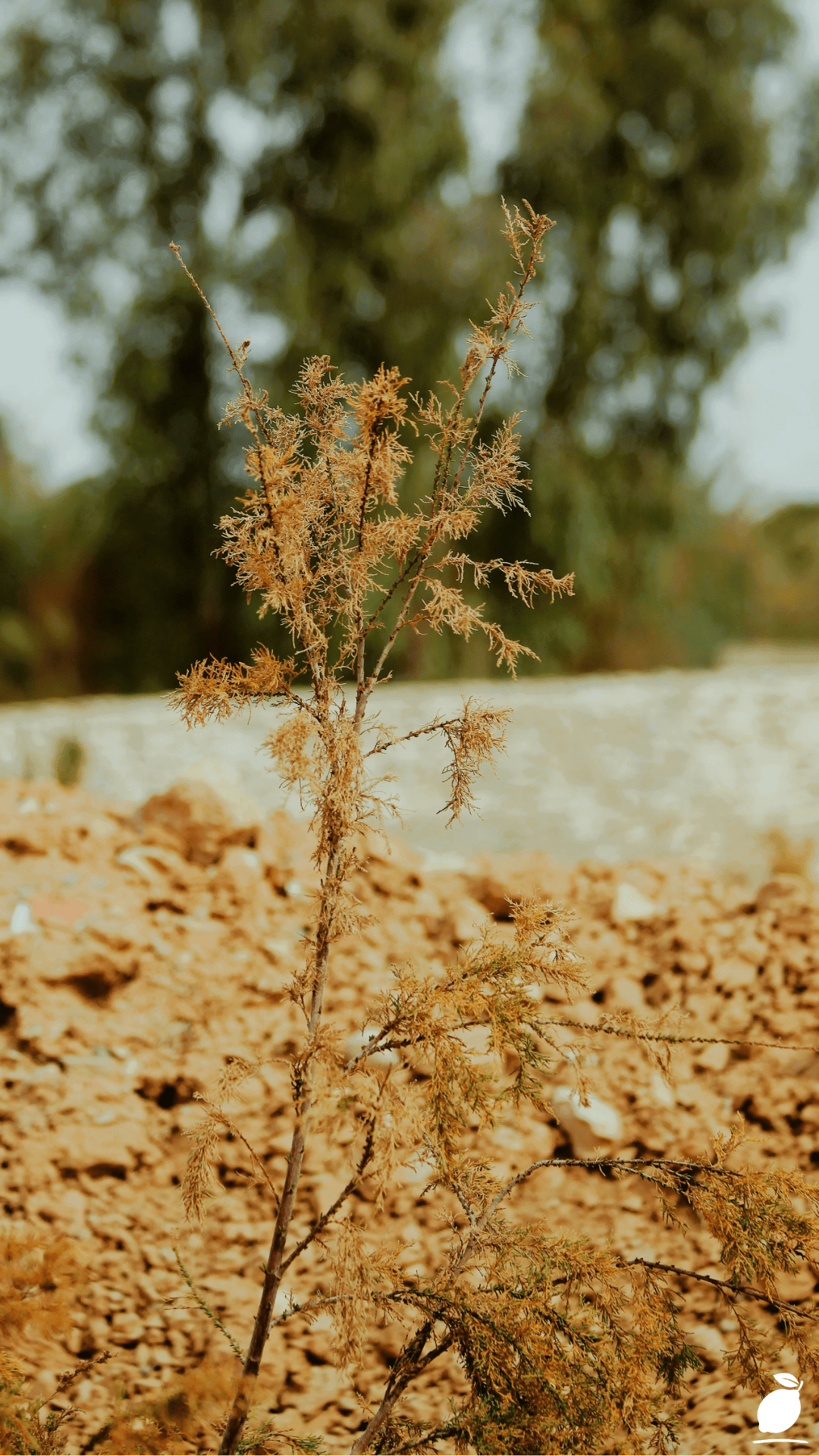
Pro-Tips for Better Results
- The Texture Layering Hack: When working with plants and flowers that prefer dry soil, use the ground itself as a design element. Don’t hide the cracks; emphasize them. The dark brown lines of the earth provide a beautiful, organic pattern that makes white petals look even crisper.
- Initial Hydration Training: Even drought-tolerant plants need a launchpad. Water them deeply once a week for the first season. This encourages roots to grow deep into the dry soil cracks rather than staying near the surface, ensuring long-term DIY success.
- Mulching with Stone: Instead of wood chips, which can hold too much moisture against the stems of dry-loving plants, use pea gravel or small river stones. This maintains the earthy color palette and prevents rot in a dry soil environment.
Common Mistakes to Avoid
- Over-Amending the Soil: Do not add too much organic compost to the planting hole. Many plants and flowers that prefer dry soil actually prefer lean earth. Rich soil can lead to leggy, weak growth that flops over during a windstorm.
- The Sprinkle Method: Never give these plants a light daily sprinkle of water. This keeps the roots near the surface, where they will bake in the sun. In dry soil gardening, always aim for deep, infrequent watering.
- Ignoring Drainage: The biggest killer of these plants isn’t the heat; it’s a sudden heavy rain that sits in a low spot. Ensure your dry soil garden has a slight slope or use raised beds to keep the roots from becoming waterlogged.
Why Dry Soil Matters
At Easy Peasy Life Matters, we believe that your external environment directly dictates your internal peace. When you stop fighting your climate and start working with plants and flowers that prefer dry soil, you are reclaiming your time and your mental clarity. There is a profound sense of DIY success that comes from seeing life thrive in conditions that look impossible.
A drought-resistant garden reduces the chaos of constant maintenance. It replaces the anxiety of a dying landscape with the calm of a resilient sanctuary built on dry soil. This tranquility ripples out to the whole family, no more arguments over water restrictions or the cost of replacing dead shrubbery. By choosing plants that celebrate the earth, you are teaching yourself and your family that beauty doesn’t require a constant, frantic input of resources; sometimes, the most stunning results come from a little bit of grit and a lot of resilience.
FAQ
Can I grow flowers in soil that is already deeply cracked?
Yes! Many plants and flowers that prefer dry soil, like the daisies in our image, have root systems specifically designed to navigate the dark brown lines of parched earth. Simply clear a small pocket, add a handful of native soil, and plant.
Will these plants survive a sudden heavy rainstorm?
As long as the area has good drainage, yes. The geometric cracks in the dry soil actually help surface water reach deep root zones quickly. The danger only arises if the water pools and stays there for several days.
Do dry-soil flowers need fertilizer?
Generally, no. Over-fertilizing can actually stress these plants out. They have evolved to find minerals in the rough, textured surfaces of dry soil. A light application of a slow-release fertilizer in early spring is usually more than enough.
What is the best time to plant a drought-tolerant garden?
The best time is early autumn or early spring. This gives the plants a chance to establish their root systems in the dry soil before the high-pressure heat of mid-summer arrives.