The Tuesday morning rush was in full swing, and my kitchen counter looked more like a botanical crime scene than a place for meal prep. Amid the scattered school permission slips and half-finished cups of coffee, a massive bundle of rosemary and thyme sat wilting in its plastic grocery-store sleeve. I had bought them with the best intentions of creating a farm-to-table dinner, but reality, drying herbs, in the form of back-to-back meetings and a broken dishwasher, had intervened. Looking at those darkening leaves, I felt that familiar ping of lifestyle guilt, the kind that stems from watching fresh, expensive ingredients slowly turn into compost because life simply got too loud.
There is a specific kind of stress that comes from wanting a mindful, intentional home while living a high-speed life. We see the beautiful images of rustic kitchens and air-dried bundles hanging from rafters, but who has three weeks to wait for a sprig of oregano to dehydrate in a humid laundry room? I certainly didn’t. I just wanted the scent of fresh herbs to stay in my kitchen without the mold or the waste. The struggle wasn’t just about the herbs; it was about the desire to reclaim a small piece of slow living without sacrificing the efficiency I need to keep my household running.
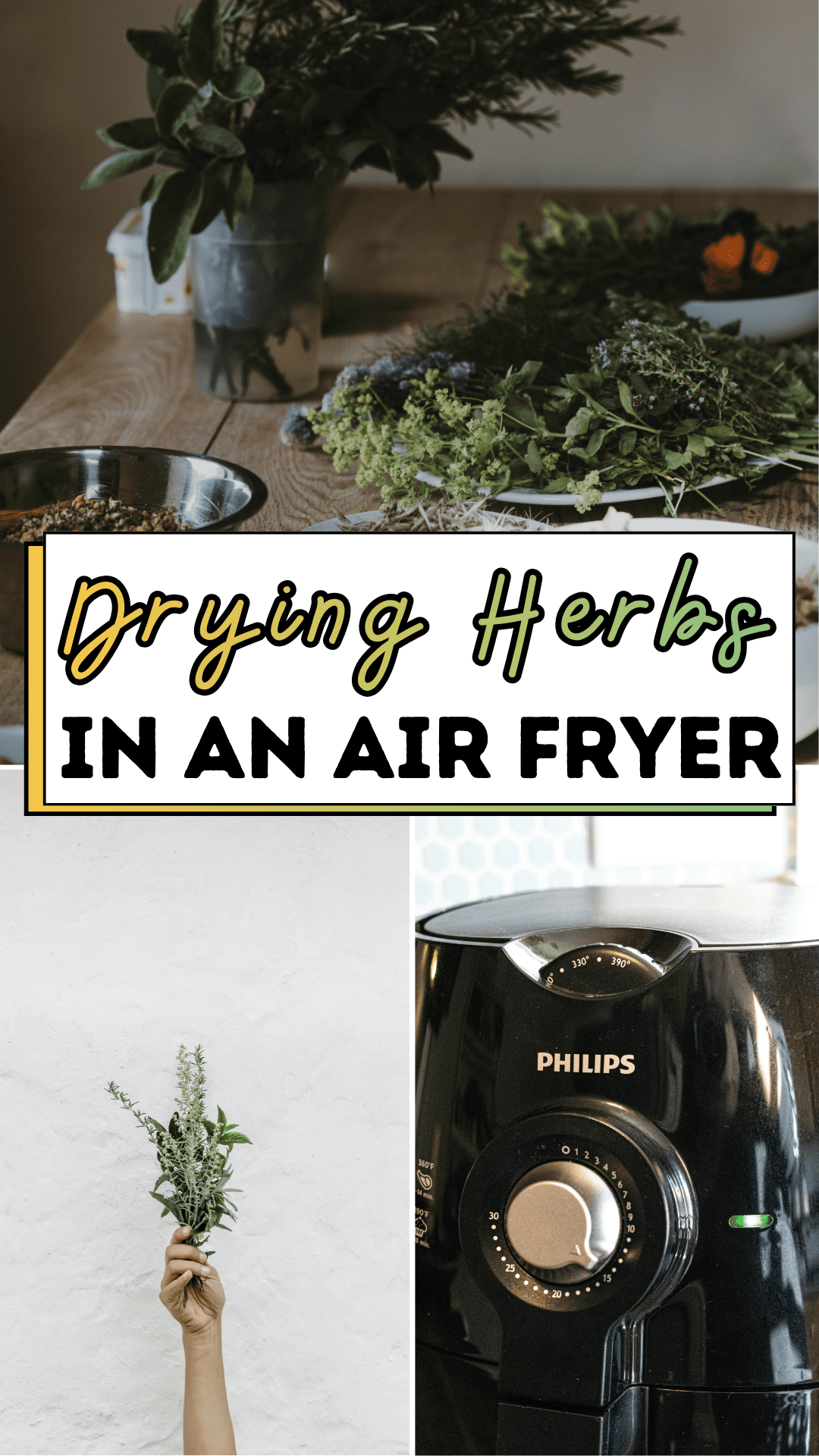
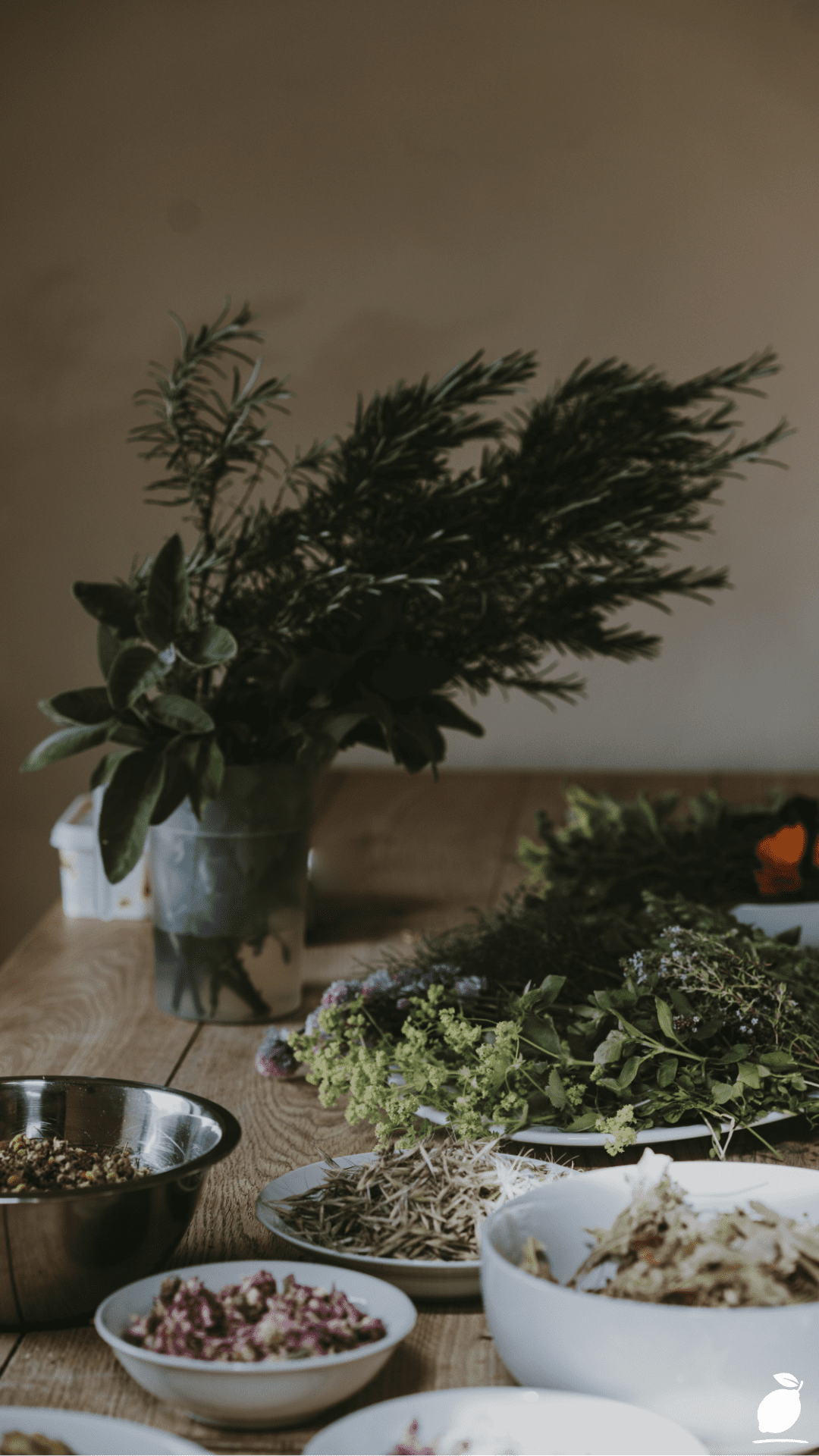
That is when the air fryer, the same workhorse that usually handles frozen fries and chicken nuggets, became my secret weapon for domestic peace. By shifting from the traditional, weeks-long process to a focused, ten-minute method for drying herbs, the chaos of the kitchen suddenly settled. I found myself standing at the wooden table, much like the one in the moody scene before me, calmly plucking leaves into bowls. The transformation from a messy pile of wilting greens to a crisp was more than a kitchen hack; it was a moment of regained control.
The Drying Herbs Blueprint
To achieve that perfect, store-quality crunch while retaining the essential oils and vibrant colors of your greens, follow this streamlined sequence for drying herbs.
Step 1: Preparation and Cleaning
Start by selecting the freshest sprigs possible. Rinse your herbs under cool, running water to remove any dust or garden grit. This is a crucial foundation; any moisture left on the leaves will cause them to steam rather than dry, so pat them thoroughly dry between two lint-free kitchen towels. If you have a salad spinner, give it a few rounds to ensure they are bone-dry before you begin the process of drying herbs in the air fryer basket.
Step 2: Stripping and Sorting
While you can dry herbs on the stem, stripping the leaves often leads to a more even result, especially for woody herbs like rosemary or thyme. Place your ceramic bowls on your workspace and separate the leaves from the stems. Sort them by density; delicate herbs like basil or cilantro should be handled separately when drying herbs from hearty ones like rosemary, as their drying times will vary significantly.
Step 3: Loading the Basket
Place your herbs in the air fryer basket in a single layer. The key to successful drying herbs in this manner is airflow. Do not crowd the basket. If your air fryer model has a lightweight rack, place it over the herbs to prevent the high-speed fan from blowing the light leaves into the heating element, which can create a burnt smell or even a fire hazard during the drying herbs cycle.
Step 4: The Low and Slow Flash-Dry
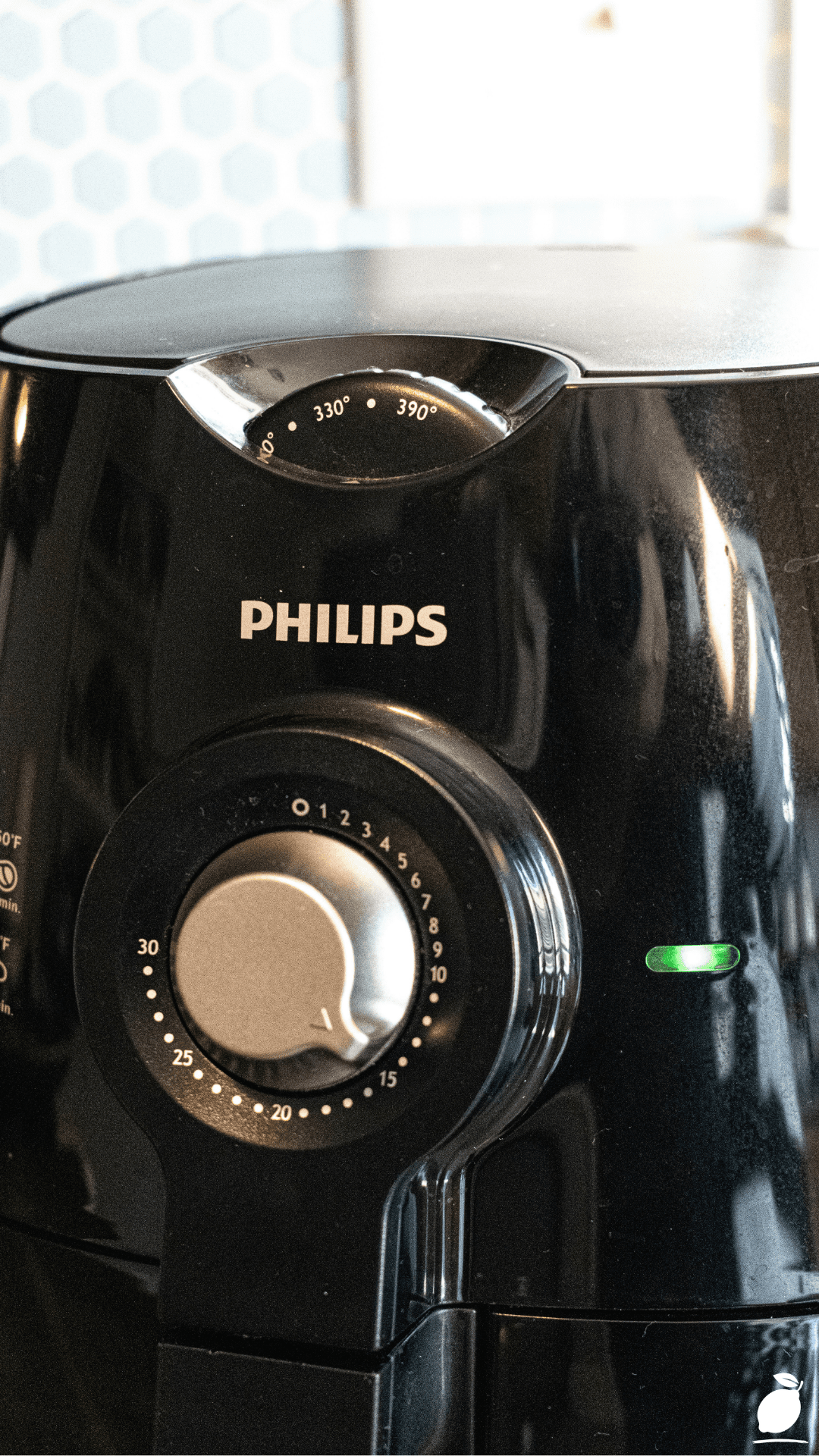
Set your air fryer to its lowest possible temperature setting. For most modern units, this is between 120°F and 150°F. Set the timer for 3 to 5 minutes. Every few minutes, slide the basket out and give it a gentle shake to reposition the leaves. You are looking for a brittle texture—if the leaf crumbles when you pinch it, you have successfully finished drying herbs.
Step 5: Cooling and Storage
Never move your herbs directl from the heat into a jar. The residual warmth can create condensation, leading to mold. Let the herbs sit in a stainless steel or ceramic bowl for at least ten minutes to reach room temperature. Once cooled, store them in airtight glass jars in a dark, cool place to preserve their potency for months to come.
Expert Secrets for Success
Mastering the art of the air fryer method requires a few insider adjustments to account for the intensity of the machine when drying herbs.
Pro-Tips for a Better Result
- The Weight Trick: If you don’t have a rack to hold down your herbs, use a small, stainless steel cooling rack or even a few clean spoons placed strategically over the greens to keep them stationary while drying herbs.
- Color Preservation: To keep your herbs looking vibrant green rather than brown, add a tiny pinch of salt to the basket. The salt helps absorb surface moisture faster, shortening the heat exposure time for drying herbs.
- Pre-Heating: Always let your air fryer run for two minutes at the target low temperature before adding the herbs. This ensures an even environment for drying herbs from the very first second.
Common Mistakes to Avoid
- High Temperatures: The most frequent error is using a standard air fry temperature (350°F+). This will cook the herbs, destroying the flavor and turning them into bitter ash in seconds.
- Skipping the Dry Phase: Putting wet herbs into the fryer will result in cooked leaves that go limp rather than crispy.
- Overfilling: It is tempting to do the whole bunch at once, but layering herbs more than two leaves deep prevents the air from reaching the bottom, leading to uneven results when drying herbs and potential spoilage.
Why Drying Herbs Matters
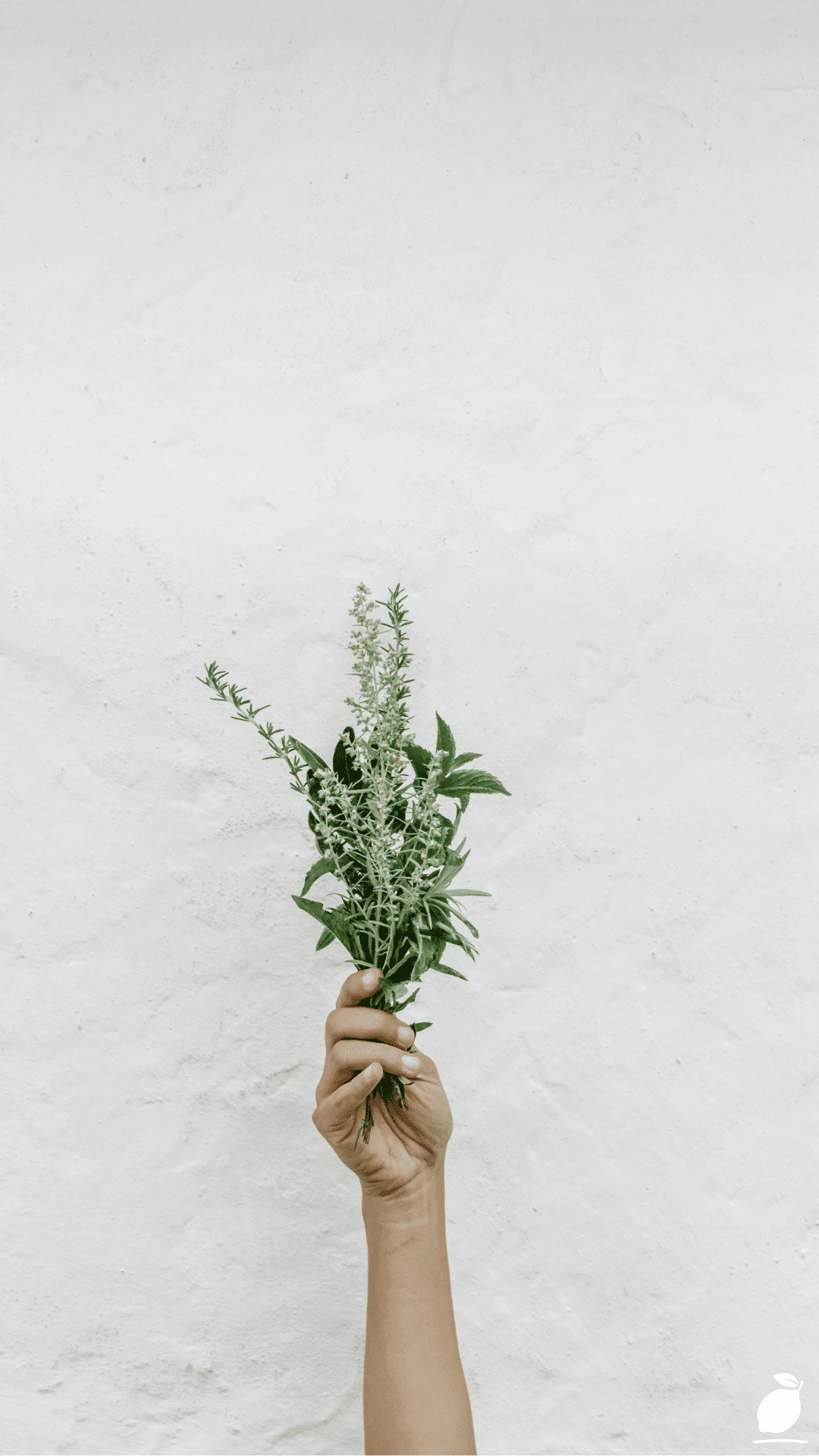
In a world that feels increasingly digital and disconnected, the act of drying herbs serves as a tactile anchor. It is a small but powerful way to bridge the gap between home maintenance and mental clarity. When we take the time to preserve what we have, we are practicing a form of stewardship that settles the mind. There is a profound sense of satisfaction in seeing a row of glass jars filled with the fruits of your own labor; it signals that the home is a place of resourcefulness rather than just consumption.
For the family, this practice of drying herbs fosters an environment of peace and intentionality. When the kitchen smells of warm rosemary and sage, it transforms the atmosphere from a high-traffic zone into a sanctuary. It teaches children the value of saving for later and reduces the frantic last-minute run to the store that often fuels household stress. Success in these small DIY projects, like drying herbs, builds a momentum of confidence that carries over into larger areas of life, proving that even a messy Tuesday can be tamed with a little bit of focus and the right tools.
FAQ
How long do air-dried herbs last?
When you are finished drying herbs properly and have stored them in an airtight glass jar away from direct sunlight, your herbs will maintain peak flavor for 6 to 12 months.
Can I dry all types of herbs in the air fryer?
Hearty herbs like rosemary, thyme, sage, and oregano work best. Delicate herbs like parsley and cilantro can be done, but they require much closer monitoring when drying herbs, as they dry almost instantly.
Is the air fryer better than a traditional dehydrator?
The air fryer is significantly faster, taking minutes rather than hours. However, a dehydrator is better for very large batches. For the average household looking to save a grocery store bundle, the air fryer is the most efficient tool for drying herbs quickly.
Why do my herbs smell like nothing after drying?
This usually happens if the temperature for drying herbs is too high, causing the volatile oils to evaporate. Always keep the heat as low as possible to lock in the aroma and taste.