As the sun barely peeked through my blinds on a Saturday morning, the weight of the weekend’s ‘honey-do’ list began weighing me down. With my backyard being an unkempt jumble of tall grass and what I used to refer to as ‘stubborn’ weeds, which were mocking all the pristine hardscaping magazines on my coffee table, foraging, I felt like yet another thing I had lost control over in my already demanding life as a father and working man. With a half cup of coffee in my hand this particular Saturday morning, I could feel the connection with the ground beneath my feet slipping away, and just an overwhelming feeling from the simple burden of keeping a home.
Fighting against nature exhausts the mind in ways that work so much energy eradicating the things we need to provide us with value. With every plant that is growing where you did not want it to grow, you view it as an assault against your productivity. Therefore, my frustration with the weeds was truly nothing more than a manifestation of my mental clutter, a challenge to find meaning in the monotonous chores associated with suburban living. I remember feeling helpless because I wanted a peaceful solution!
The Foraging Blueprint
To successfully harvest this powerhouse botanical from your own landscape, follow this intentional sequence to ensure you get the most potent roots while respecting the ecosystem.
Step 1: Identification and Timing
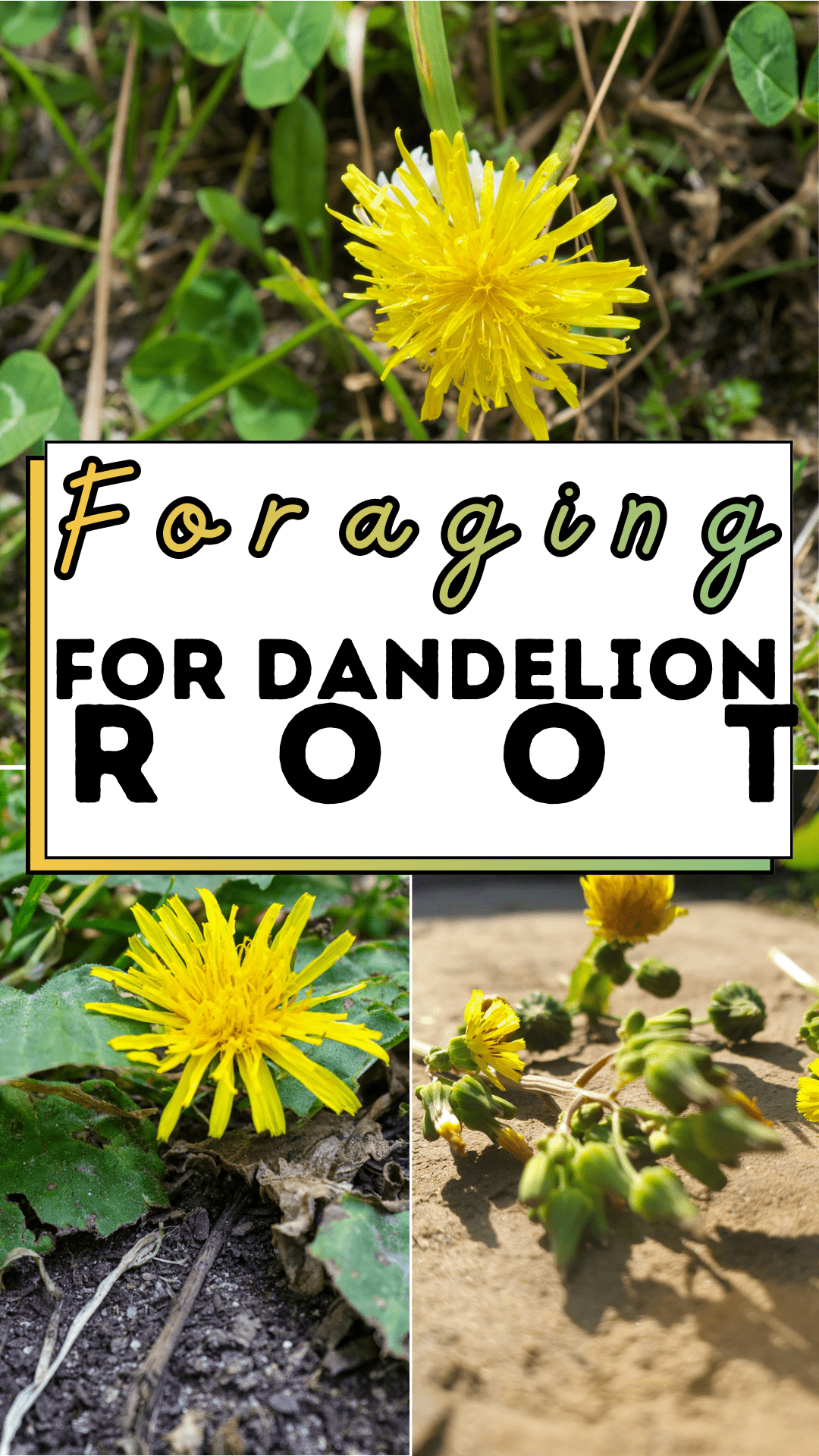
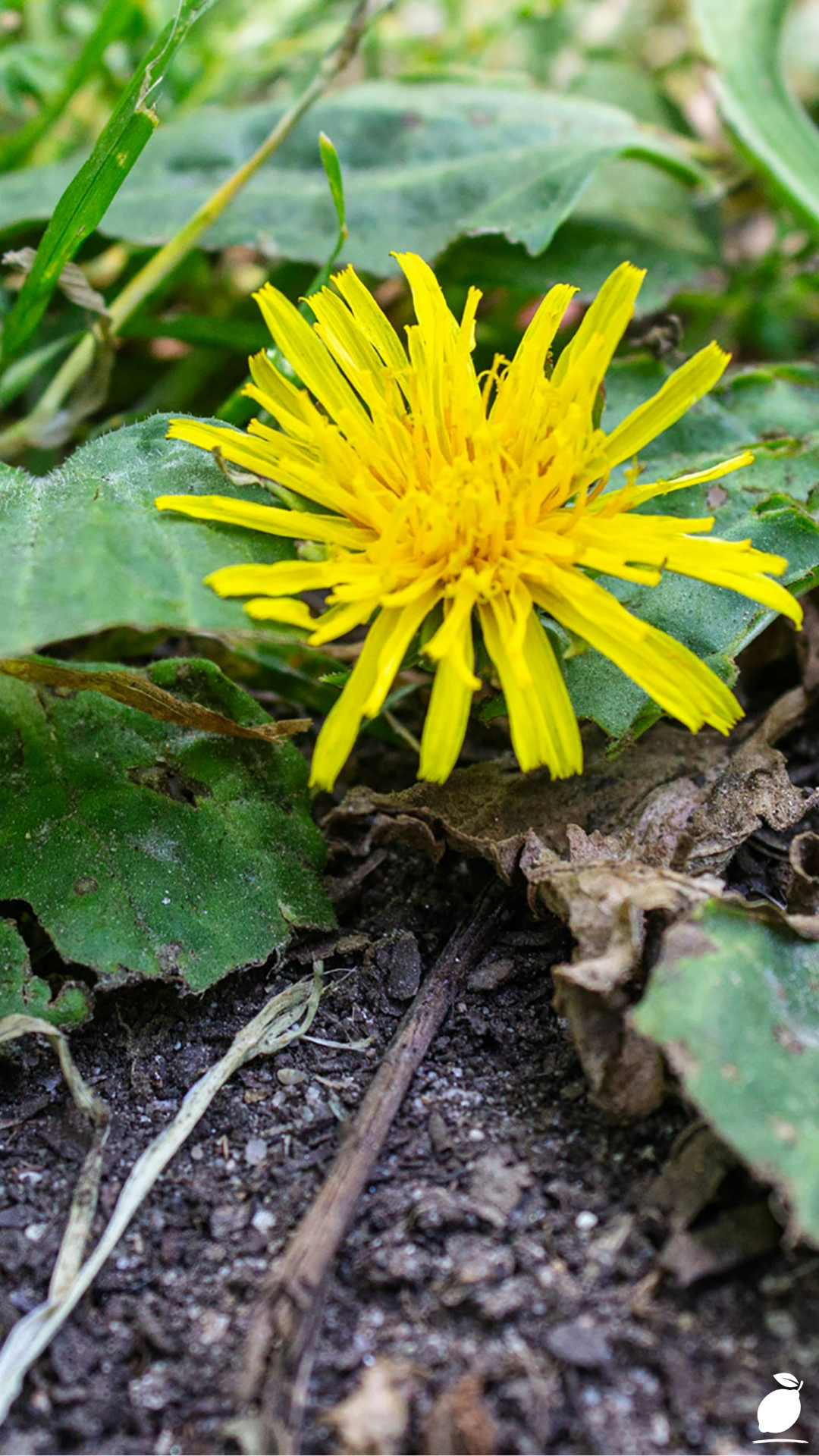
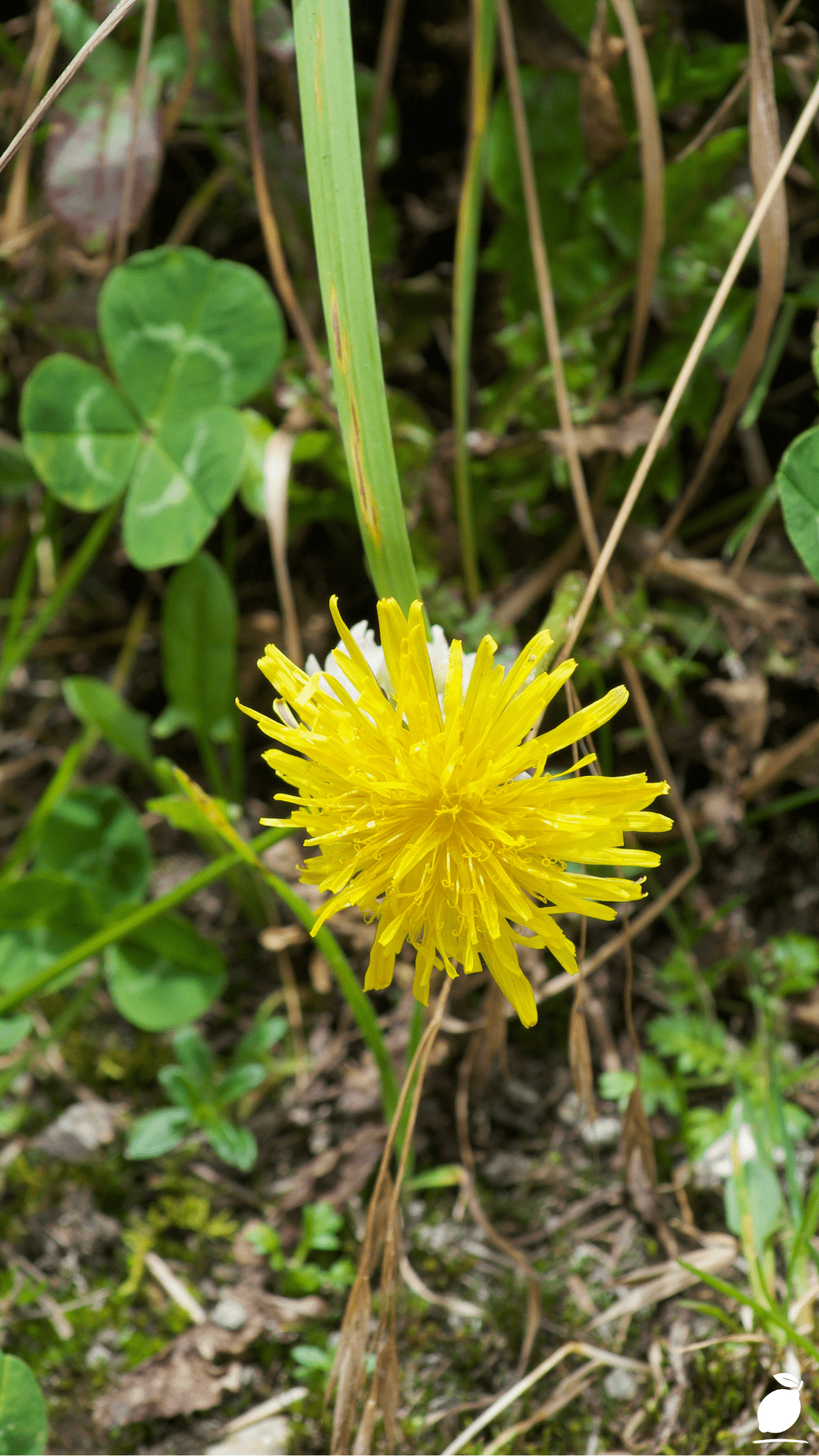
The first rule of foraging is absolute certainty. Look for the classic jagged, hairless leaves and the single yellow flower on a hollow, milky stem. While you can find these year-round, the best time to harvest the root is in the early spring before the flower fully seeds, or in the late autumn after the first frost. During these times, the plant stores its energy and medicinal compounds in the root, making your efforts much more rewarding.
Step 2: Site Assessment and Safety
Before you dig, ensure the soil is free from pesticides, herbicides, and heavy foot traffic. You want a site that is as “wild” as a backyard can be. Check the soil moisture; foraging is much easier after a light rain when the ground is soft and pliable. This prevents the long, central taproot from snapping off in the hard-packed earth, allowing you to extract the entire specimen.
Step 3: The Deep Dig Technique
Dandelions are famous for their deep taproots, which can often reach several inches into the ground. Use a long, narrow weeding tool or a specialized foraging knife. Insert the tool vertically into the soil about two inches away from the base of the plant. Gently rock it back and forth to loosen the surrounding earth. Do not pull from the leaves, as they will likely tear away, leaving the root behind.
Step 4: Extraction and Initial Cleaning
Once the soil is loosened, grasp the plant at the very crown where the leaves meet the root and lift upward. If you feel resistance, loosen the soil a bit more. Shake off the excess dark brown soil and organic matter. It is often helpful to have a dedicated ceramic bowl or basket nearby to collect your finds, keeping the fresh roots separate from any dried plant debris you might have unearthed during the process.
Step 5: Processing for Use
Take your harvest inside and scrub the roots thoroughly under cool running water using a vegetable brush. Once the dark outer skin is clean, you can slice them into thin rounds. For those looking to create a coffee substitute or a potent tea, roasting these slices in a low-temperature oven until they are dark and fragrant is the final step in your foraging journey.
Expert Secrets for Success
Fine-tuning your technique will help you move from a beginner to a seasoned pro in the world of wild edibles.
Pro-Tips for a Better Result
- Leave the Early Blooms: If it is very early spring, leave the first few flowers for the bees. Foraging is best done in “patches” where the population is dense enough to support both humans and pollinators.
- The Vertical Slice: If you find a particularly large, woody root, slice it lengthwise before drying. This increases the surface area and ensures the center dries thoroughly, preventing mold.
- Use the Leaves Too: Don’t let those dark green leaves go to waste. While you are foraging for the root, harvest the young, tender inner leaves for a bitter spring salad to get the full benefit of the plant.
Common Mistakes to Avoid
- Harvesting Near Roadways: Roots act like sponges for environmental toxins. Avoid foraging anywhere near a busy road or an old building where lead paint might have leached into the soil.
- Snap-Root Syndrome: Pulling too hard or too fast is the most common mistake. If the root snaps, it can actually stimulate the plant to grow back even stronger, which is fine for the lawn but frustrating for the forager.
- Storing Wet Roots: Never put freshly washed roots into a sealed bag. They will ferment and rot within hours. Always pat them dry or start the dehydration process immediately after cleaning.
Why Foraging Matters
At its core, foraging is about more than just free food; it is a vital tool for reclaiming mental clarity. In a society that demands constant digital engagement, the physical act of touching the earth and identifying a useful plant forces us into the present moment. It is a form of “home maintenance” for the soul. When we learn to see the value in what we previously dismissed as a nuisance, we train our brains to look for opportunities in other areas of our lives that feel “messy” or out of control.
This intentional practice brings a unique sense of family peace. Involving children in foraging teaches them about resilience, biology, and the hidden abundance of the natural world. It shifts the household dynamic from “spending and consuming” to “discovering and creating.” DIY success in the garden translates to a more grounded home environment, where the stresses of the outside world are tempered by the quiet, ancient satisfaction of providing for oneself from the land.
FAQ
Is it safe to eat dandelions from any yard?
No. You must ensure the yard has not been treated with chemicals or fertilizers for at least three years. Additionally, avoid areas where pets frequently go to the bathroom.
What does dandelion root taste like?
When raw, it is quite bitter and earthy. However, when sliced and roasted, it takes on a deep, nutty, and slightly chocolate-like flavor that is very similar to dark coffee.
Can I forage dandelion root in the summer?
You can, but the root tends to be more fibrous and significantly more bitter during the peak of summer when the plant is focusing its energy on flowering and seed production.
Do I need special equipment for foraging?
While a simple flat-head screwdriver can work in a pinch, a dedicated “Hori Hori” knife or a long-tined weeding fork will make the job much easier and ensure you get the full taproot without breaking it.