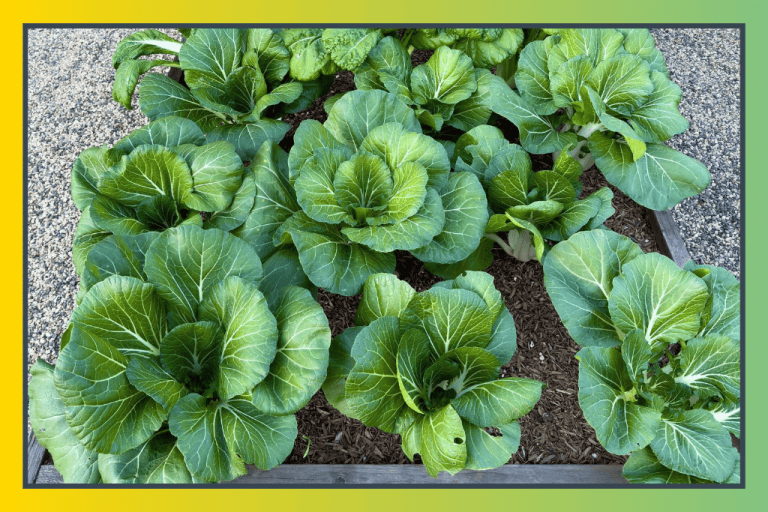
The vegetable patch started with such clear intention. You dug over a rectangle of lawn, worked in some compost, planted seeds in neat rows, and stood back feeling genuinely accomplished. By July, you were standing in front of something that looked less like a productive kitchen garden and more like a nature experiment bolted lettuce competing for space with weeds that had arrived in the compost, courgettes sprawling three feet beyond their allocated zone, beetroot that could not be found under a canopy of its own leaves, and a persistent slug problem that seemed to regard your careful planting as a personal invitation. The vegetables you imagined serving at the table were there, technically. Finding and harvesting them was another matter entirely.
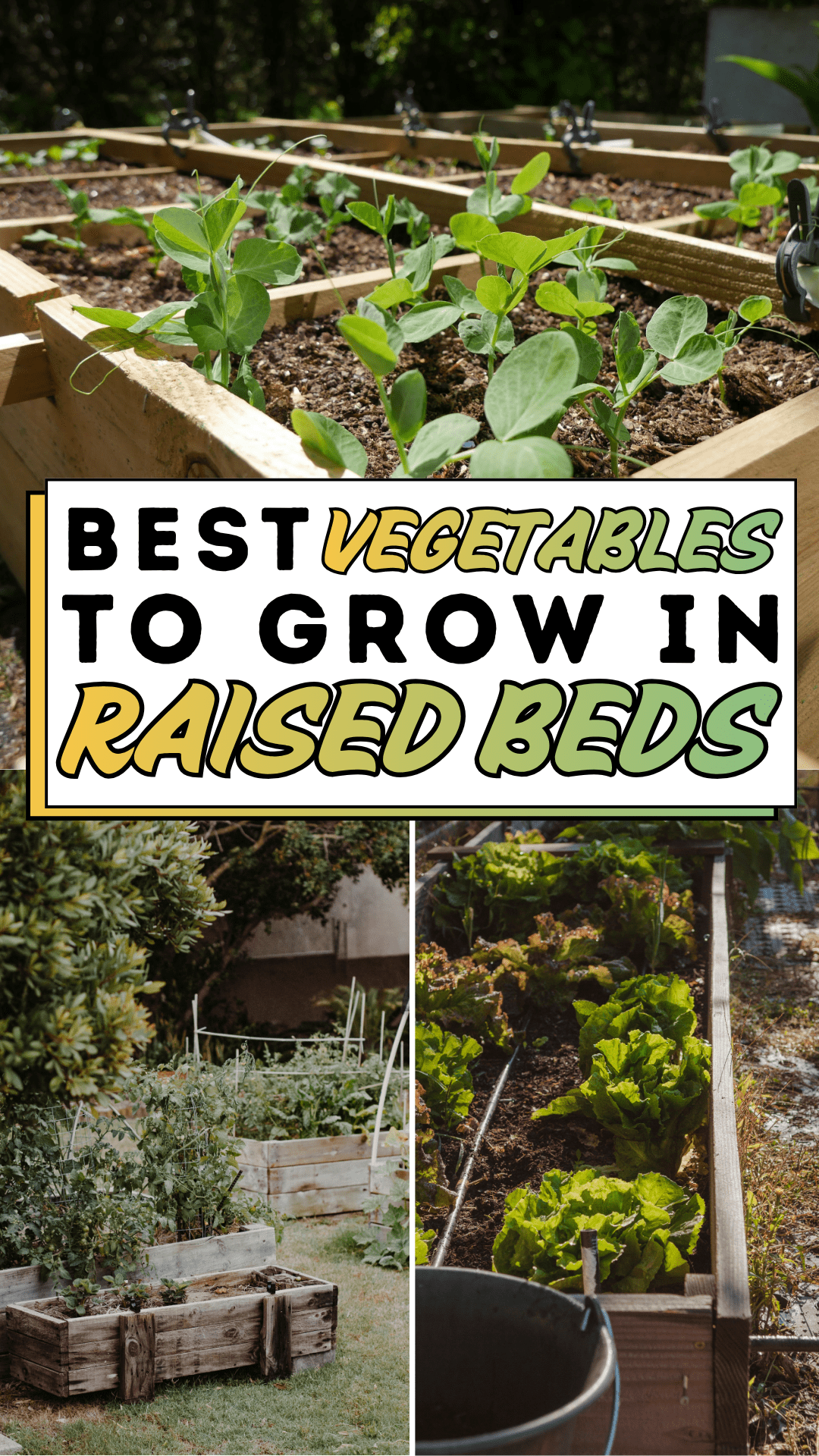
The ground-level vegetable patch is a particular kind of frustration because it fights you on every front simultaneously. Weeds establish from existing seeds in the surrounding soil. Drainage is determined by what was already there rather than what the vegetables actually need. Pests travel freely at ground level. Bending to harvest requires either very good knees or very good motivation, and by late August, when both have been depleted by a full season of maintenance, the patch becomes something to be managed rather than enjoyed. The very accessibility of in-ground vegetable growing, with no construction required, just dig and plant, conceals the structural disadvantages that make it harder than it needs to be.
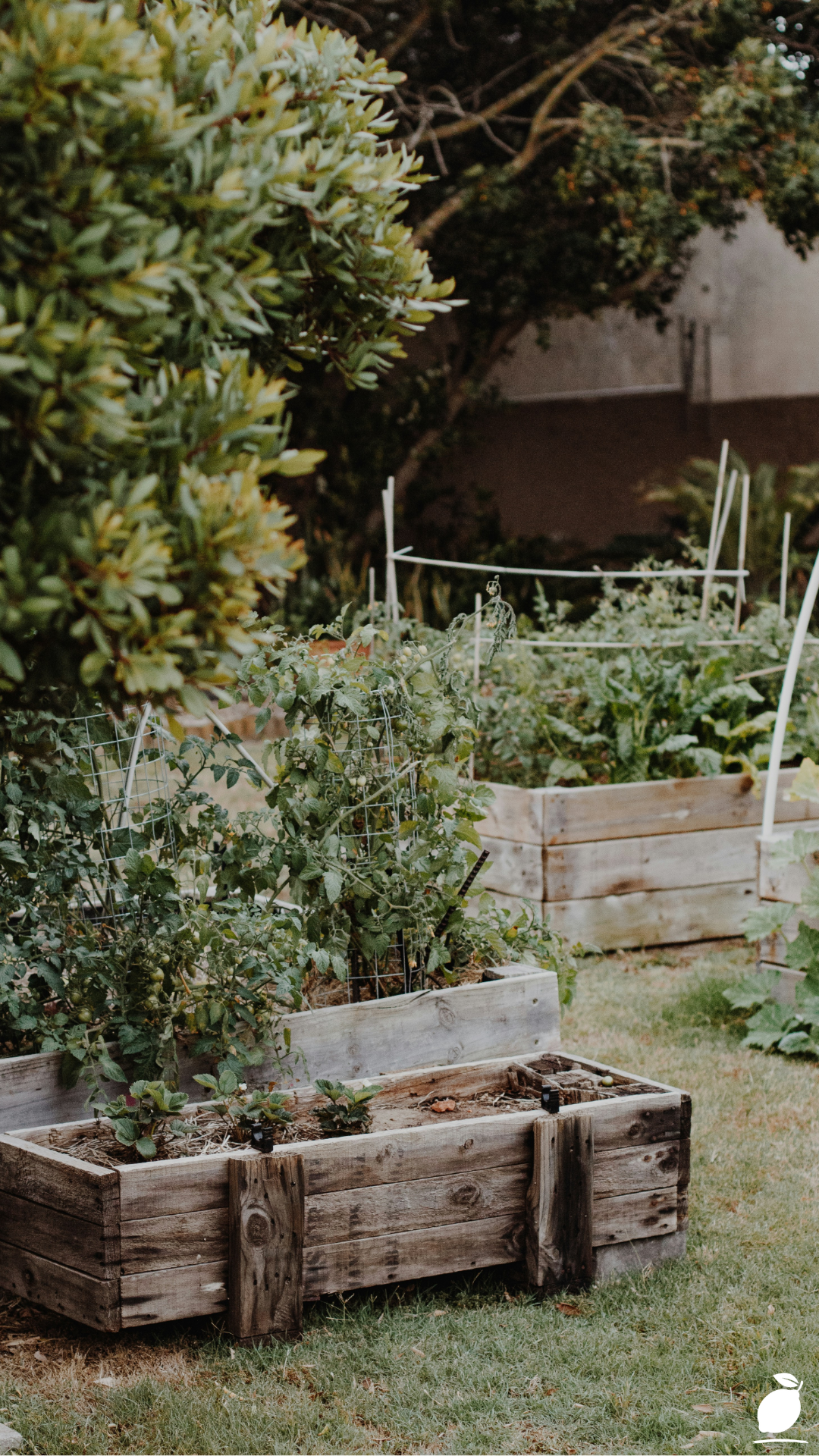
Raised beds change the entire equation. The image of weathered wooden planter boxes on a green lawn, vegetables growing cleanly through white trellising wires, soil elevated and controlled, the whole arrangement visually organized and physically accessible, is not aspirational gardening. It is practical gardening done correctly. In a raised bed, the soil is yours: its drainage, its fertility, its freedom from weed seeds. The growing season extends at both ends because the elevated soil warms faster in spring and drains more efficiently in autumn. And the right vegetables in a raised bed produce yields that ground-level growing rarely matches. Here is the guide to those vegetables, the ones that make raised beds perform at their best.
The Vegetables Guide
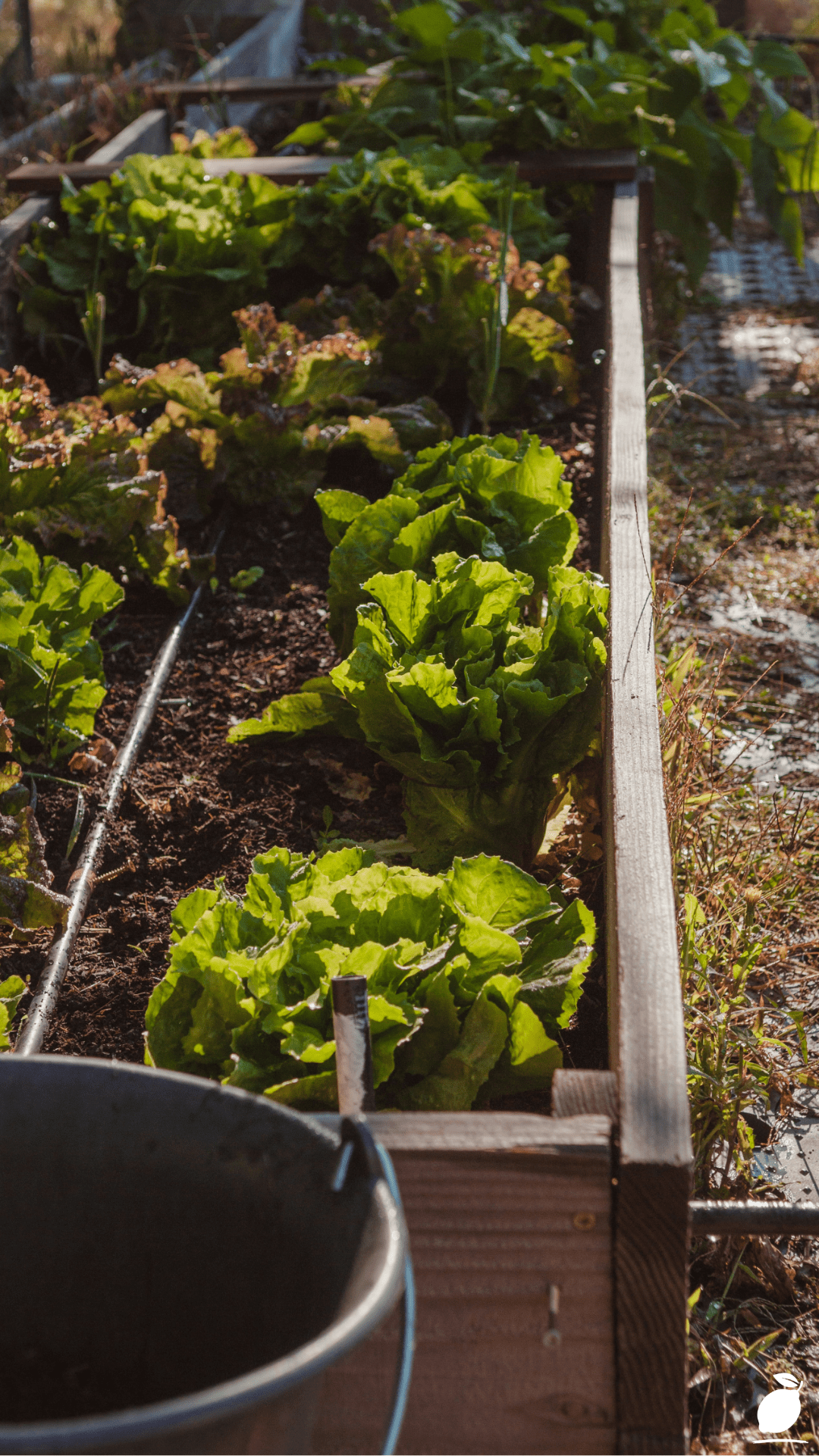
The title calls for a roundup of the best vegetables for raised beds chosen for productivity, suitability to the contained, elevated environment, and the practical satisfaction of growing things that reliably make it to the table. Each entry includes why it works in a raised bed, specifically, not just why it is a good vegetable in general.
Salad Leaves and Lettuce
Salad leaves are the most immediately productive vegetables a raised bed can grow, sowable from early spring through late summer, ready to harvest in as few as three weeks from sowing, and capable of providing a continuous supply of fresh leaves through the entire growing season with the cut-and-come-again technique. Varieties like ‘Buttercrunch’, ‘Lollo Rossa’, and loose-leaf mixed mesclun blends are all excellent for raised bed production.
Why it works: Raised beds warm faster in spring than ground-level soil, allowing salad vegetables to be sown two to three weeks earlier than in-ground sowings. The controlled, weed-free soil gives salad leaves exactly the competition-free growing environment they need to establish quickly. A succession of small sowings every two to three weeks across a raised bed section provides a continuous harvest of fresh salad vegetables rather than a single glut followed by weeks of bare soil.
Tomatoes
Tomatoes are among the most rewarding vegetables a raised bed can produce and among the most reliably improved by the raised bed environment. The deep, free-draining, consistently fertile soil of a well-prepared raised bed suits tomatoes’ extensive root systems perfectly. Cordon (indeterminate) varieties trained up stakes or trellising wires exactly as seen in the image, use vertical space to maximize yield from a small footprint. Varieties like ‘Sungold’, ‘Gardener’s Delight’, and ‘Shirley’ are consistently high-performing raised bed vegetables.
Why it works: Tomatoes are the most sensitive vegetables to waterlogging and most responsive to soil fertility. A raised bed’s superior drainage eliminates the root rot risk that affects tomatoes in heavy, poorly drained ground-level soil, while the ability to build a deep, rich growing medium from scratch gives tomatoes the nutrient-dense root zone they need for prolific fruiting. Trellised vertically on the white support wires characteristic of well-managed raised bed plantings, a single cordon tomato plant occupies less than 30cm of bed width while producing several kilograms of fruit.
Courgettes and Summer Squash
Courgettes are the most productive vegetable per plant in the raised bed garden. A single well-grown courgette plant can produce upward of twenty fruits across the season, beginning in July and continuing until the first frost. Bush varieties like ‘Defender’ and ‘Patio Star’ suit raised beds better than spreading trailing types, keeping the plant’s footprint within manageable boundaries while maintaining full productivity.
Why it works: Courgettes, as raised bed vegetables, benefit enormously from the warm, well-drained soil that elevated growing provides. They establish faster, flower earlier, and produce more prolifically in a raised bed than in cold, slow-draining ground-level soil. The elevated position also makes daily harvesting essential for courgettes, which become marrows almost overnight if left unpicked, significantly easier and more likely to happen consistently.
Root Vegetables: Carrots, Beetroot, and Parsnips
Root vegetables are the category of vegetables most dramatically transformed by the raised bed environment. In compacted or stony ground-level soil, carrots fork, beetroot becomes stunted, and parsnips develop misshapen roots that are difficult to harvest. In the deep, stone-free, loose-growing medium of a well-built raised bed, the same vegetables grow straight, fat, and easily extractable with minimal effort.
Why it works: Root vegetables need a depth of a minimum of 30cm for carrots and parsnips, 20cm for beetroot, and a loose, stone-free soil through which roots can develop without obstruction. A raised bed built to 30cm depth with a purpose-mixed growing medium provides exactly this environment in a way that most in-ground garden soils do not without significant and repeated amendment. Raised bed vegetables of the root category reliably produce better yields and better-shaped roots than ground-level equivalents in all but the most ideal native soils.
Climbing French Beans and Runner Beans
Climbing beans are among the most vertical and most productive vegetables available to the raised bed gardener. Trained up the trellising wires and stakes visible in raised bed setups like the image above, a row of climbing French beans or runner beans produces continuous harvests of fresh pods from July through October, requiring only regular picking to maintain production. ‘Cobra’ (French) and ‘Scarlet Emperor’ (runner) are the most reliably productive varieties for raised bed growing.
Why it works: Climbing beans use vertical space rather than horizontal bed area, making them among the most space-efficient vegetables in the raised bed garden. Their root system is relatively shallow and compact, making them ideal for raised beds where the depth of the growing medium may be limited. As nitrogen-fixing vegetables, they also improve the soil fertility of the raised bed for subsequent crops. Planting legumes in a section of the raised bed, followed by heavy feeders like brassicas or courgettes, the following season is raised bed vegetable gardening at its most productive.
Kale and Chard
Kale and chard are the most productive cool-season vegetables in the raised bed year, capable of providing harvests from the earliest sowings in spring through winter and into the following spring in mild climates. Varieties like ‘Cavolo Nero’, ‘Red Russian’ kale, and ‘Bright Lights’ chard are visually striking as well as productive, adding color and architectural form to raised bed plantings alongside other vegetables.
Why it works: Kale and chard are the vegetables that extend the raised bed growing season most effectively at both ends. Sown in late summer for an autumn and winter harvest, they fill the beds when most other vegetables have finished, making the raised bed productive for nine or ten months of the year rather than five or six. Their tolerance of light frosts is enhanced by the raised bed’s better drainage, since waterlogged soil in combination with frost causes root damage that elevated growing largely avoids.
Herbs: Basil, Parsley, and Chives
Herbs are frequently overlooked as raised bed vegetables, when they are in practice some of the most productive plants a raised bed can hold. A section of the raised bed devoted to culinary herbs, basil, parsley, chives, and thyme provides fresh flavoring for vegetables harvested from the same bed, reduces the grocery bill, and makes the raised bed genuinely useful daily rather than only at harvest time.
Why it works: Herbs as companion vegetables in a raised bed provide practical daily utility that pure vegetable crops do not; they are harvested in small quantities continuously rather than in seasonal gluts, and their aromatic foliage provides some degree of pest confusion that benefits neighboring vegetables. Basil planted beside tomatoes is among the most frequently cited and most practically effective companion planting combinations in the raised bed garden, with some evidence that basil’s volatile oils deter aphid pressure on adjacent tomato plants.
Expert Secrets for Success
Pro-Tips for Better Results
- Build deep beds for root vegetables. A raised bed depth of 30cm is adequate for most vegetables, but root vegetables, carrots, parsnips, and deep-rooted chard benefit from 40 to 45cm where construction allows. The additional depth produces significantly straighter, longer roots and makes harvesting far easier than in shallower beds. If building new raised beds for the first time, build deeper than you think you need. Retrofitting depth is not practical once the bed is established.
- Invest in a quality growing medium, not just topsoil. The growing medium inside a raised bed is the single most important determinant of vegetable productivity. A purpose-mixed raised bed compost, typically 60% topsoil, 30% compost, and 10% horticultural grit, provides the fertility, drainage, and structure that vegetables need. Standard topsoil alone compacts over time and becomes the same poorly draining, weed-seed-containing growing medium that makes ground-level vegetable growing difficult.
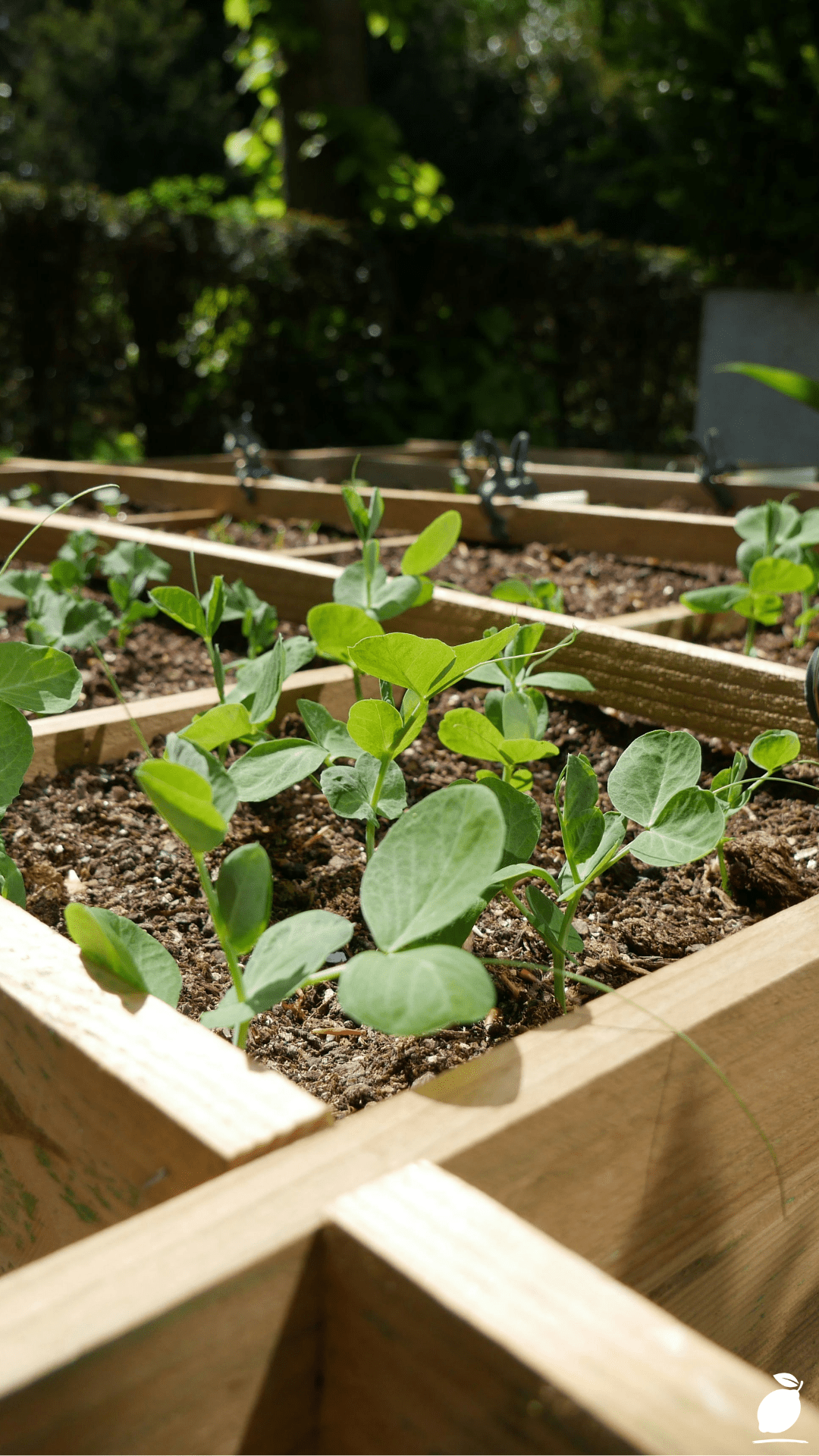
- Maximize yield with vertical growing. The image of trellised vegetables above the raised bed surface is not just aesthetically appealing; it is the most space-efficient way to grow productive vegetables in a limited footprint. Tomatoes, beans, cucumbers, and peas all trained vertically double or triple the productive output of the same bed area used for sprawling horizontal growth. Install trellis systems on the north or east side of the raised bed so they do not shade lower-growing vegetables.
- Rotate vegetable families between beds each season. Growing the same family of vegetables in the same bed season after season builds up family-specific soil-borne diseases, clubroot in brassicas, white rot in alliums, and various fungal diseases in tomatoes and potatoes. A four-bed rotation system of brassicas, legumes, roots, and alliums cycling clockwise around four beds each year is the most practical disease management strategy for raised-bed vegetables.
- Top-dress with compost every autumn without fail. Raised beds lose fertility faster than in-ground vegetable plots because the contained soil volume is finite and the growing intensity is high. An annual top-dressing of 5 to 8cm of well-rotted compost applied in autumn replenishes organic matter, feeds soil biology through winter, and ensures the bed’s growing medium remains productive season after season without the need for synthetic fertilizers.
Common Mistakes to Avoid
- Planting vegetables too close together in a raised bed. The productivity of raised bed growing leads many gardeners to overplant, reasoning that the superior soil will compensate for reduced spacing. It does not. Vegetables grown too close compete for light, water, and nutrients, producing smaller yields and more disease pressure than correctly spaced plants in the same bed. Follow spacing recommendations on seed packets even when the gaps feel wastefully large in early spring.
- Neglecting watering in the first weeks after planting. Raised beds drain more freely than in-ground soil, which is one of their key advantages, but also means they dry out faster in warm weather. Vegetables transplanted into a raised bed need consistent watering at the root zone for the first two weeks while they establish. Inconsistent watering in this period causes transplant stress that manifests as stunted growth for the remainder of the season.
- Forgetting to feed through the growing season. The nutrients in a well-prepared raised bed growing medium are sufficient for the first six to eight weeks of vegetable growth. After that, regular liquid feeding is essential, particularly for heavy-feeding vegetables like tomatoes, courgettes, and brassicas. A weekly liquid feed of high-potassium fertilizer from the point of first flowering maintains vegetable productivity through the entire harvest season.
- Leaving beds bare over winter. An empty raised bed exposed through winter loses organic matter to leaching, allows weed colonization, and suffers structural degradation of the growing medium from frost and rain impact. Cover empty raised beds with green manure, phacelia, or winter rye sown in September, or a layer of cardboard topped with compost. Either approach protects the bed’s soil structure and ensures it is in productive condition for the first sowings of spring.
- Buying cheap timber without checking its durability. A raised bed constructed from standard untreated timber will rot within three to five years, requiring complete reconstruction at the point when the bed and its growing medium are at their most productive and established. Use naturally rot-resistant timber oak, larch, or Douglas fir, or timber treated with a non-toxic preservative rated for vegetable garden use. The initial investment in durable timber pays for itself in years of additional productive growing before replacement is needed.
Why Vegetables Matter
Growing your own vegetables is one of the few domestic activities that delivers its return in the most direct way possible on the plate. The courgette grilled at dinner tonight was a flower four days ago. The tomato in the salad was still green last week. The beans that took six minutes to prepare were on the plant this morning. That directness, the unmediated connection between something you grew and something you ate, is a quality of experience that the modern food supply chain has made almost entirely theoretical for most people, and growing vegetables restores it concretely and repeatedly across the season.
For families, the raised bed vegetable garden is one of the most effective ways to involve children genuinely and productively in the garden. Children who plant seeds, water them, and watch vegetables emerge are children who are learning patience, biology, the relationship between care and outcome, and the satisfaction of producing something real. They are also frequently children who will eat vegetables they grew themselves that they would categorically refuse from a supermarket shelf. The raised bed vegetable garden is not just a food-production asset. It is a site of family education and experience that costs a fraction of the activities that deliver far less.
And for the gardener’s own well-being, vegetable growing in a raised bed provides the specific kind of purposeful, absorbing, measurable activity that mental health research consistently identifies as restorative. There are clear tasks: sow, water, feed, and harvest. There are clear outcomes of the vegetables that appear from seed in a predictable but still somehow surprising sequence. There is the daily ritual of the garden visit, the brief pause from everything else the day demands, the particular quality of attention that a living thing asking for water and light and a timely harvest brings out in the person who tends it. Growing vegetables in a raised bed is not just good for the table. It is quietly, steadily, genuinely good for the person who grows them.
Frequently Asked Questions
How deep should a raised bed be for growing vegetables?
A minimum depth of 25 to 30cm is adequate for most vegetables, including leafy greens, tomatoes, beans, and herbs. Root vegetables, carrots, parsnips, and deep-rooted chard perform best in beds 40cm or deeper. If building on a hard surface such as paving or concrete, add 10cm to these depths to compensate for the absence of additional root depth available in in-ground beds. Never compromise on depth; it is the single measurement that most affects vegetable productivity in a raised bed.
What is the best soil mix for raised bed vegetables?
The most productive growing medium for raised bed vegetables combines 60% quality topsoil, 30% well-rotted compost or manure, and 10% horticultural grit for drainage. This ratio provides the fertility, structure, and drainage that vegetables need. Avoid using garden soil alone — it compacts in a raised bed environment and frequently contains weed seeds. Ready-mixed raised bed compost from a garden center is a practical alternative for small beds, though more expensive per cubic meter than a mixed medium purchased separately.
How often should I water raised bed vegetables?
In warm, dry weather, raised-bed vegetables typically need watering every 1 to 2 days more frequently than in-ground vegetables because the contained growing medium dries out faster. Check moisture levels by pressing a finger 5cm into the growing medium. If it feels dry at that depth, water deeply. Shallow watering encourages surface rooting, which makes vegetables more vulnerable to subsequent drought. Installing drip irrigation or a soaker hose beneath the mulch is the most water-efficient way to maintain consistent moisture for raised-bed vegetables throughout the growing season.
Can I grow vegetables in a raised bed year-round?
Yes, with the right vegetable choices for each season. Spring and summer vegetables, such as tomatoes, beans, courgettes, and salad leaves, are followed by autumn and winter vegetables, such as kale, chard, winter salads, and overwintering onions, to keep raised beds productive across ten to eleven months of the year in temperate climates. Adding a simple cloche or cold frame cover to the raised bed extends the season by four to six weeks at both ends, allowing sowings to begin in late February and harvests to continue into December.