It starts the same way every time. You spot them at the farmers market, those deep, glossy purple freeze eggplants, impossibly beautiful and so abundant that you buy far more than any single week of cooking could ever use. You carry them home with intention, imagining moussaka, baba ganoush, and roasted veggie platters. Then life happens. Work runs long. The kids have three different places to be at once. By Thursday, you open the crisper drawer and feel that familiar pang of guilt.
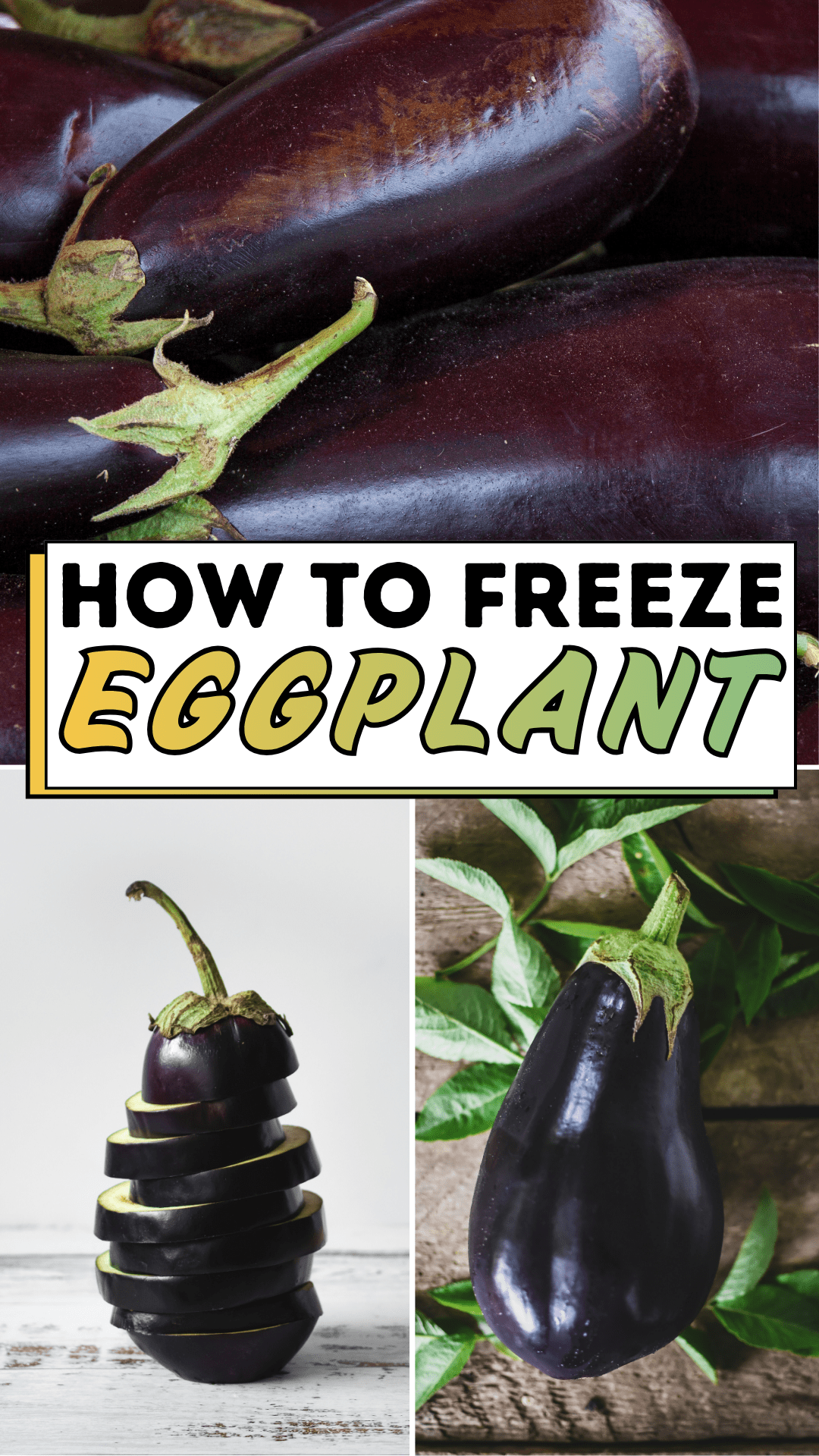
The eggplants have gone soft at the edges, and your good intentions feel like yet another thing you didn’t follow through on. You wish you had taken the time to freeze the eggplant when they were still at their best, tucked them safely away, and bought yourself some breathing room. Sound familiar? You’re not alone. Nearly every home cook has been there, staring down waste they didn’t want and a plan that slipped away from them.
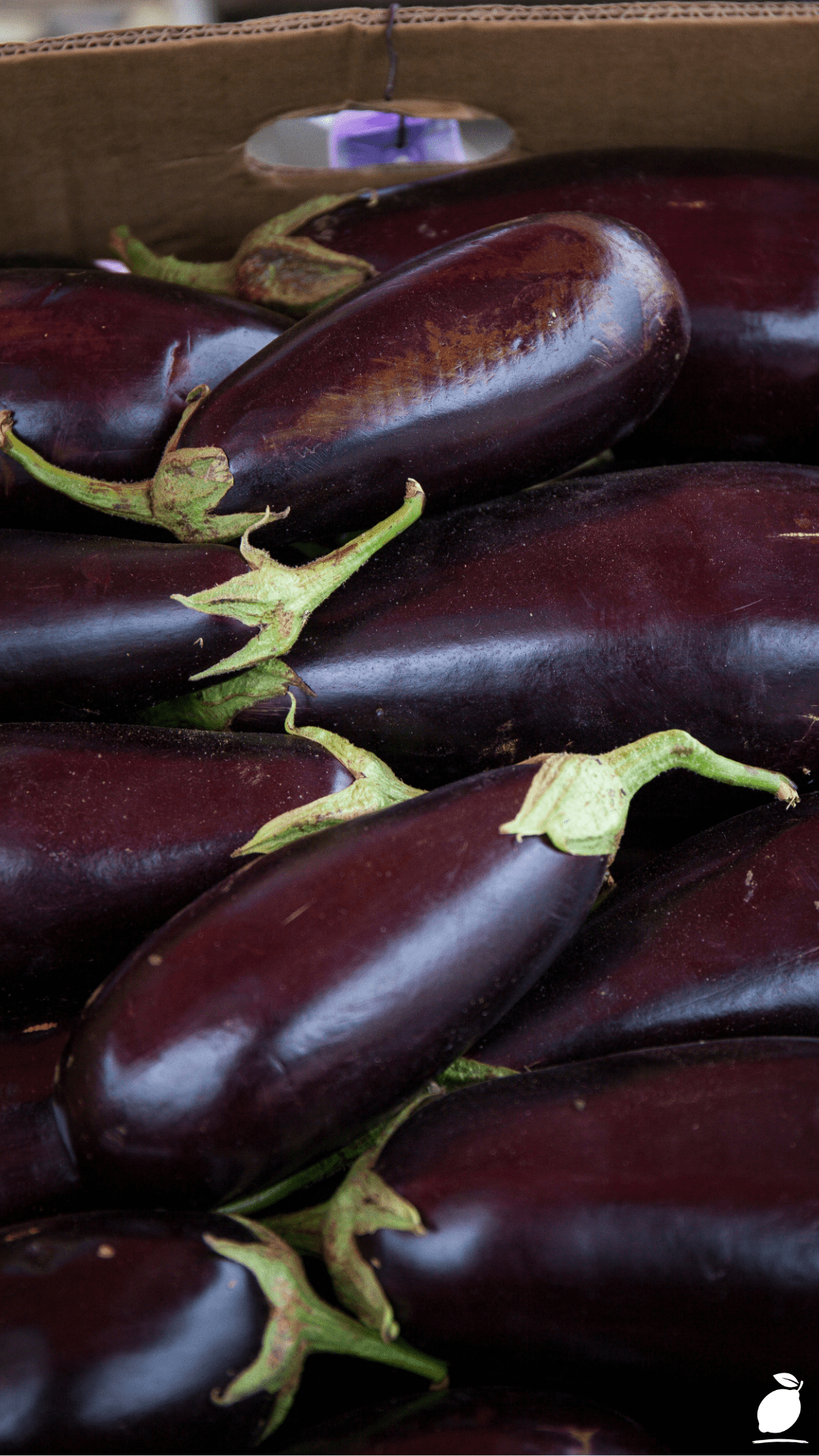
Here’s the quiet truth nobody tells you: the problem isn’t your schedule or your ambitions. The problem is not having a simple, reliable system in place. Freezing eggplant properly is one of those small domestic skills that, once you learn it, genuinely changes how you shop, cook, and feel about your kitchen. It turns abundance into an asset instead of a burden. That cardboard box of gorgeous, firm eggplants you see above? That’s not the beginning of a waste story. That’s the beginning of six months of effortless weeknight dinners because you knew exactly when and how to freeze eggplant at its peak, wholesome, flavorful, and already done.
Today, the team at Easy Peasy Life Matters is walking you through exactly how to freeze eggplant the right way, the first time, so that not a single one of those beautiful purple gems goes to waste. By the end of this guide, you’ll know exactly how to freeze eggplant the right way, blanch, dry, and store it so it stays delicious for up to a year. Whether you’re a seasoned meal prepper or someone trying to stretch a tight grocery budget, this is the guide you’ve been looking for. Let’s turn that overwhelm into calm and that crisper-drawer anxiety into genuine, lasting confidence.
The How to Freeze Eggplant Blueprint
Freezing eggplant isn’t complicated, but it does require doing things in the right order. Skip a step, and you’ll end up with mushy, bitter, freezer-burned slices that nobody wants to eat. Follow this sequence, and you’ll have perfectly preserved eggplant ready to cook with all year long.
Step 1: Choose and Inspect Your Eggplants
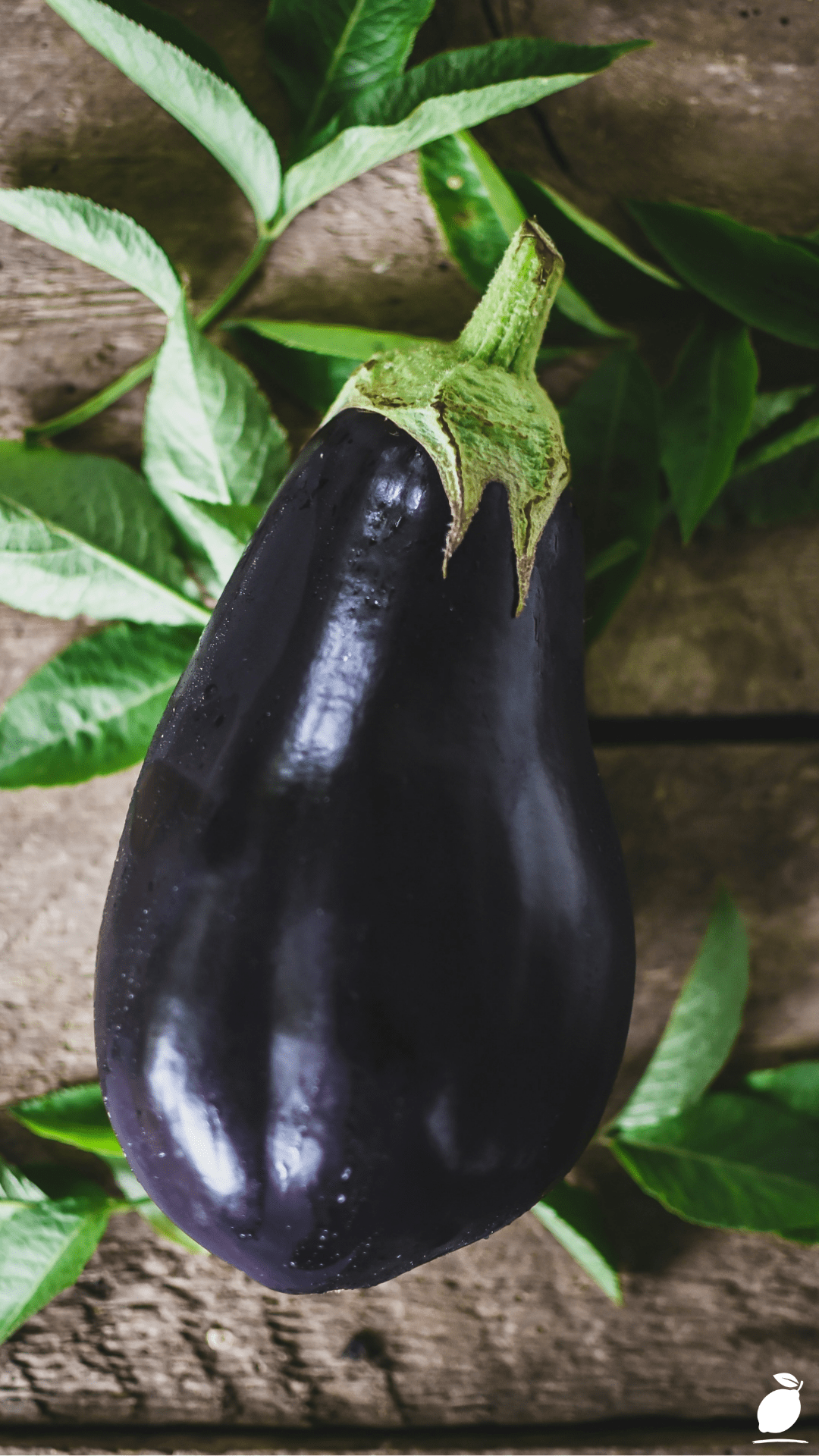
Start with eggplants at their peak. Look for firm, heavy fruits with smooth, tight skin and a vivid purple-black color exactly like the ones in that market box. The skin should be glossy and free of soft spots, wrinkles, or discoloration. Avoid any eggplants that feel spongy when gently pressed. The better the quality going in, the better the quality coming out of the freezer. If you’re pulling from a garden harvest, pick eggplants before they’ve grown too large, as oversized eggplants tend to have more seeds and more bitterness.
Step 2: Wash and Dry Thoroughly
Rinse each eggplant under cool running water, gently scrub the skin with your hands or a soft vegetable brush, then freeze the eggplant. Pat them completely dry with a clean kitchen towel or paper towels. Any residual moisture at this stage will cause ice crystals to form during freezing, which degrades texture. Don’t rush this step.
Step 3: Peel and Slice
Using a sharp chef’s knife, trim off both ends and peel the skin if you prefer (for most frozen applications, peeled eggplant thaws and cooks better). Slice into rounds approximately ½ inch thick, or cut into cubes if you plan to use them in stews, curries, or dips. Try to keep your cuts uniform so everything freezes and thaws at the same rate.
Step 4: Blanch to Preserve Quality
This is the most critical step and the one most people skip don’t. Blanching halts the enzymes that cause eggplant to become bitter, mushy, and discolored in the freezer.
- Bring a large pot of water to a rolling boil.
- Add 1 tablespoon of lemon juice per quart of water (this protects color).
- Working in small batches, add the eggplant slices and blanch for 4 minutes.
- Immediately transfer to a bowl of ice water and let sit for 4 minutes to stop the cooking.
- Drain thoroughly and spread on a clean kitchen towel to absorb excess moisture.
Step 5: Flash Freeze on a Baking Sheet
Line one or two rimmed baking sheets with parchment paper. Arrange the blanched eggplant slices or cubes in a single layer, making sure they don’t touch each other. Place the trays in the freezer uncovered for 1 to 2 hours, or until each piece is frozen solid. This flash-freezing step ensures your eggplant won’t clump together into one frustrating frozen block.
Step 6: Transfer to Freezer-Safe Bags or Containers
Once fully frozen, quickly transfer them into labeled freezer-safe zip-lock bags or airtight containers. Press out as much air as possible before sealing. A straw works great for this if you don’t have a vacuum sealer. Label each bag with the contents and the date. Properly frozen eggplant keeps its quality for up to 9 to 12 months.
Step 7: Store Correctly in Your Freezer
Place the bags flat in your freezer so they stack neatly. Keep your freezer at 0°F (−18°C) or below. Avoid storing eggplant near the freezer door, where temperature fluctuations are more common. When you’re ready to use your frozen eggplant, add it directly to hot dishes without thawing, or thaw it overnight in the refrigerator for recipes like dips and casseroles.
Expert Secrets for Success
Pro-Tips for a Better Result
- Lemon juice is your best friend. Always add it to your blanching water. It keeps eggplant from turning gray or brown during freezing, so your dishes look as good as they taste.
- Uniform slicing matters more than you think. Use a mandoline or ruler if needed. Consistent thickness means consistent texture after freezing and cooking.
- Freeze in recipe-sized portions. Think about how you’ll actually use the eggplant and portion accordingly: two cups for a stew, four slices for a bake. This saves you from thawing more than you need.
- Label obsessively. Frozen eggplant looks like frozen zucchini looks like frozen okra. Date your bags and describe the cut (rounds vs. cubes). Future-you will be grateful.
- A vacuum sealer is worth the investment. If you freeze produce regularly, a countertop vacuum sealer dramatically extends quality and eliminates freezer burn.
- Blanch in small batches. Overcrowding the pot drops the water temperature and results in uneven blanching. Work in batches of no more than 1 pound at a time.
Common Mistakes to Avoid
- Skipping the blanching step. This is the number one mistake. Unblanched eggplant turns brown, bitter, and texturally unpleasant within weeks. No shortcut here.
- Freezing wet eggplant. Moisture is the enemy of freezer quality. If you skip the drying step, you’ll end up with icy clumps and a waterlogged texture after thawing.
- Skipping the flash-freeze step. If you put eggplant directly into bags without pre-freezing individual pieces, everything fuses. You’ll be chipping at a frozen block with a butter knife.
- Using low-quality storage bags. Thin sandwich bags are not freezer bags. They allow air and moisture in, leading to freezer burn within weeks. Always use bags specifically rated for the freezer.
- Freezing eggplant past its prime. Freezing preserves quality it doesn’t restore it. Soft, overripe eggplant will be even softer and more bitter when thawed. Always start with the best produce you have.
- Ignoring the 12-month limit. Frozen eggplant technically stays safe indefinitely, but quality drops significantly after a year. Rotate your freezer stock and use older batches first.
Why How to Freeze Eggplant Matters
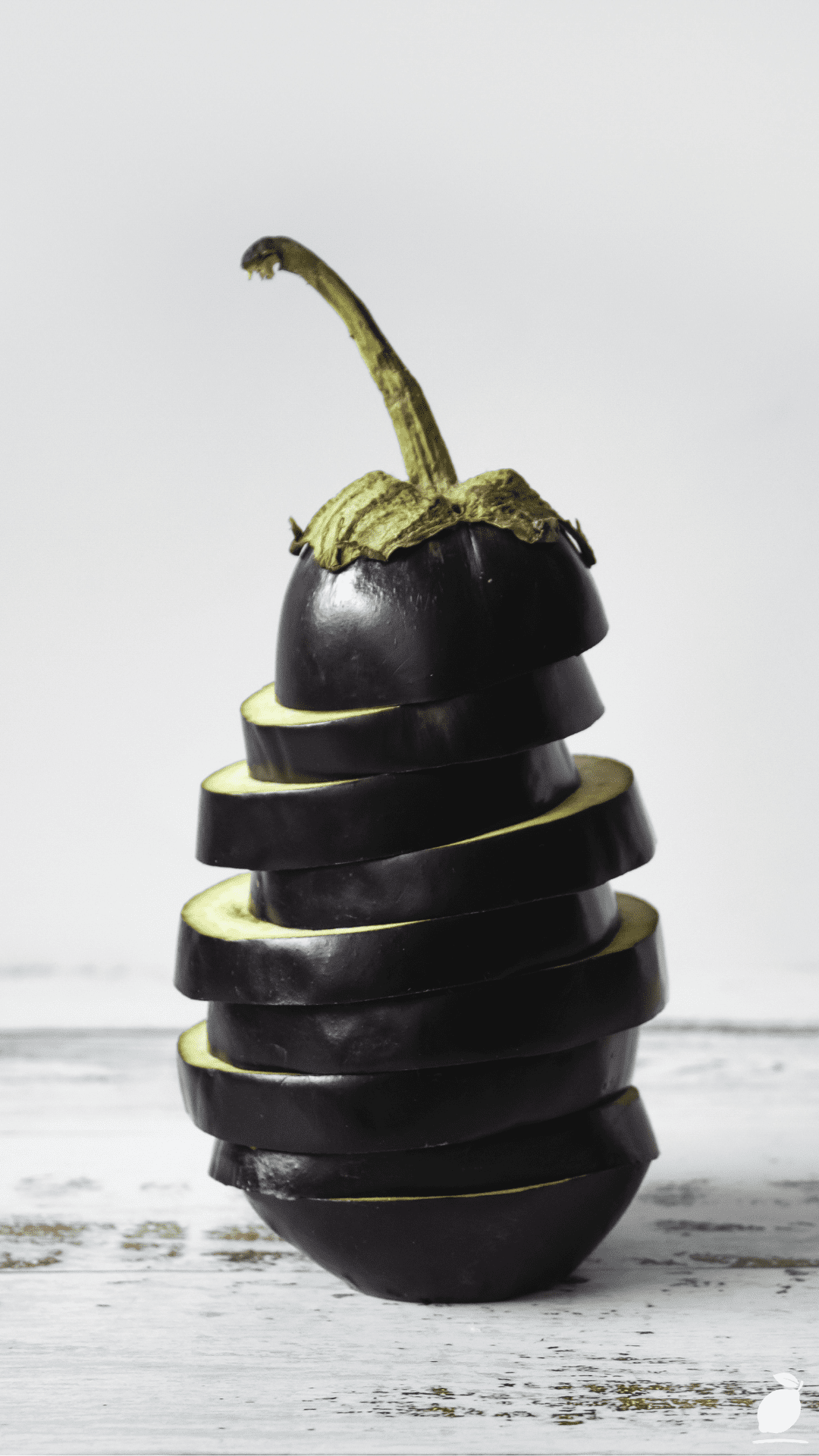
There’s something quietly powerful about opening your freezer and knowing exactly what’s in there, good food, well-preserved, ready for you when time is short and patience is thin. Learning how to freeze eggplant properly isn’t just a cooking skill. It’s a small act of care for your household that ripples outward in ways that are hard to fully articulate until you’re living them. You stop throwing produce away. You stop the guilt. You stop the last-minute scramble for dinner on a Tuesday night when everyone is tired and hungry, and nobody wants to make decisions.
For families, especially, that kind of quiet, calm preparedness changes the energy in the home. When there’s a reliable backup in the freezer, healthy, homemade, ready to go, the kitchen becomes less of a battleground and more of a sanctuary, and freeze eggplant. Dinner stops being a source of stress and starts being something you can actually enjoy. That matters. The mental load of managing a household is real and relentless, and every small system you put in place is one less thing your brain has to hold onto.
At Easy Peasy Life Matters, we believe deeply that small, practical life skills are the foundation of a calmer, more intentional home. Knowing how to freeze eggplant is exactly this kind of skill; it takes thirty minutes to learn, and it pays dividends for months. Every bag of perfectly preserved eggplant in your freezer is a tiny vote for the life you’re trying to build: nourishing, sustainable, and a little less chaotic than yesterday.
Frequently Asked Questions
Can you freeze eggplant without blanching it first?
Technically, yes, but you really shouldn’t. Unblanched eggplant suffers rapid enzyme activity in the freezer, which leads to a mushy texture, bitter flavor, and unappealing grayish-brown color. Blanching for just four minutes makes all the difference in quality and is absolutely worth the extra step.
How long does frozen eggplant last?
When properly blanched, dried, flash-frozen, and stored in airtight freezer bags, eggplant maintains excellent quality for 9 to 12 months. After that, it remains safe to eat but may lose flavor and texture.
Do you need to peel eggplant before freezing?
It’s not strictly required, but it’s recommended. The skin can become tough and slightly chewy after freezing and thawing. Peeling before freezing gives you a better texture in most cooked dishes, especially dips, stews, and casseroles.
Can you freeze cooked eggplant dishes?
Absolutely, and this is one of the best approaches. Dishes like baba ganoush, eggplant parmesan, ratatouille, and moussaka freeze beautifully. Allow the cooked dish to cool completely, portion into airtight containers, and freeze for up to 3 months.
How do you use frozen eggplant after thawing?
For soups, stews, and sauces, add frozen eggplant directly to the hot dish without thawing. For baked dishes or dips, thaw overnight in the refrigerator and pat away any excess moisture with a paper towel before using. Avoid thawing at room temperature, as this can create a waterlogged texture.
Why does my frozen eggplant turn mushy when cooked?
The most common causes are skipping the blanching step, not drying the eggplant fully before freezing, or freezing eggplant that was already past its peak freshness. Starting with firm, fresh eggplant and following each step carefully produces a much firmer result after thawing and cooking.