We have all experienced that specific brand of garden heartbreak: you buy a lush, vibrant hydrangea from the nursery, envisioning a summer filled with those iconic, cloud-like blooms, only to find yourself staring at a collection of dry, woody sticks the following year. It feels messy and defeating pruning hydrangeas. You try to fix it by trimming a bit here and there, but instead of encouraging growth, you accidentally cut away the very buds that were supposed to be your summer centerpiece. This cycle of “guesswork gardening” turns what should be a peaceful hobby into another source of stress on your mounting to-do list.
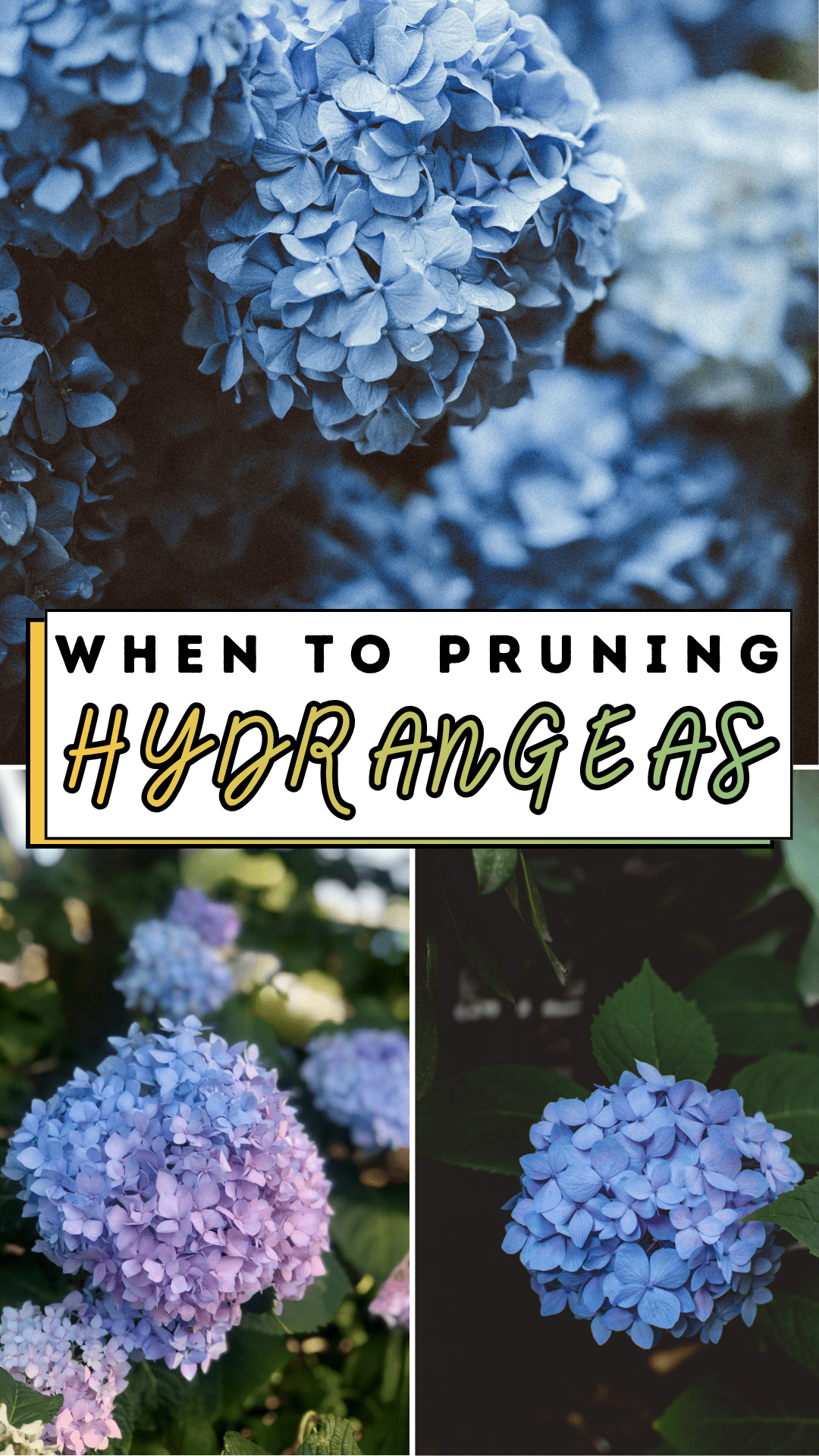
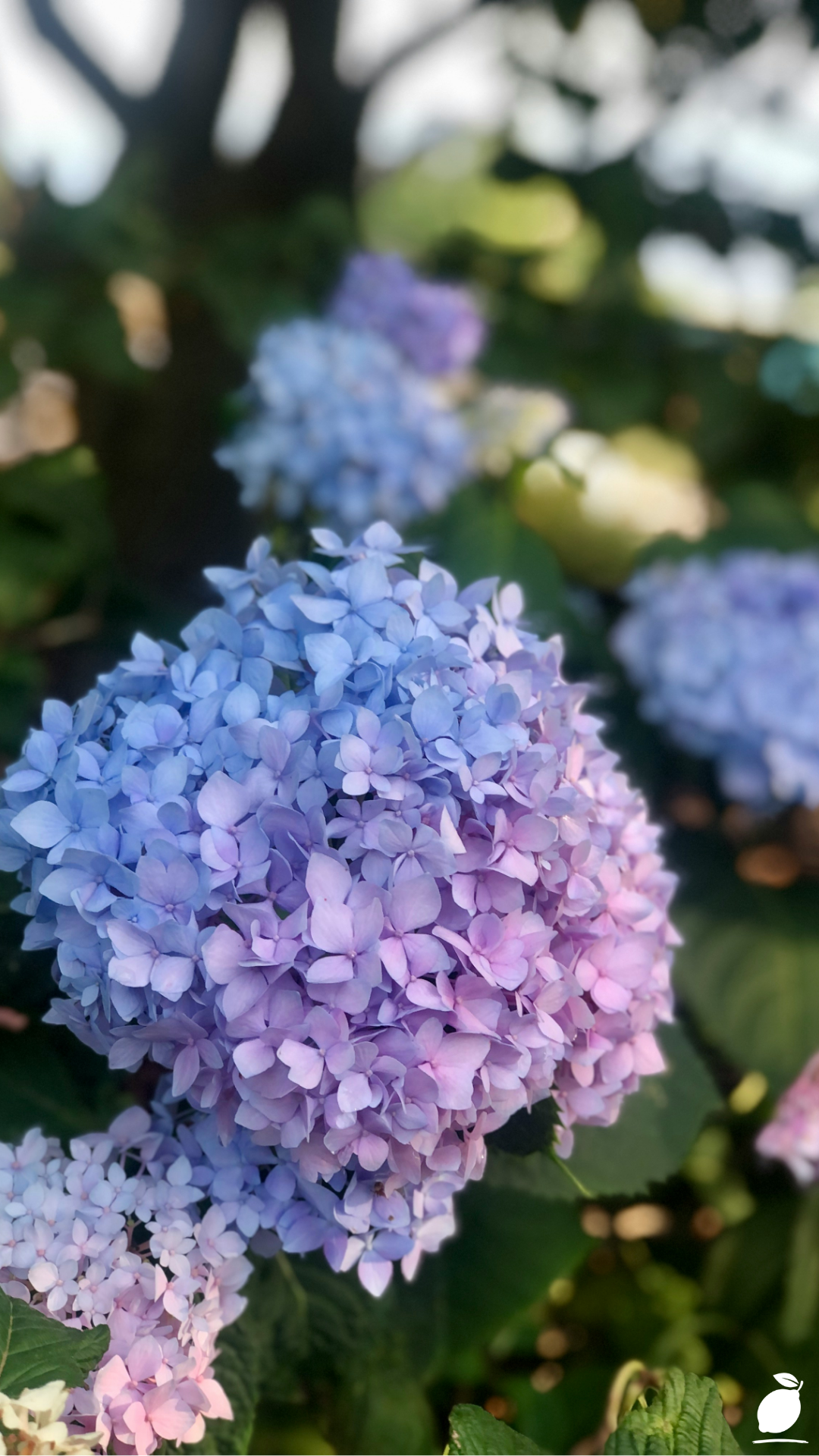
But there is a different version of this story, one that looks like a high-end Kaboompics gallery. Imagine stepping into your garden and being met by a hydrangea in soft pastel blues. The petals show a perfect gradient, shifting from a deep azure center to a whisper of pale pink at the edges, all framed by healthy, dark green leaves. When you understand the rhythm of your plants, the garden stops being a series of chores and starts being a curated sanctuary. It becomes a place where the lighting is always soft, the textures are velvety, and every bloom feels intentional.
Reclaiming your outdoor space starts with mastering the art. Knowing when to tackle Pruning Hydrangeas is the secret key to unlocking that effortless, “Easy Peasy” aesthetic. It is about moving away from the frantic, haphazard snips and toward a structured system that respects the natural life cycle of the plant. By aligning your actions, you ensure that your garden remains a source of calm rather than a reminder of things.
The Pruning Hydrangeas System
To get those professional-grade results, you need a strategy that goes beyond just having sharp shears. Follow this three-step system to ensure your pastel blooms return bigger and bolder every year.
Step 1: Prepare
The most critical part of preparation is identifying your hydrangea variety. This is the stage where most people fail. You must determine if your plant blooms on “old wood” (stems from last year) or “new wood” (stems that grow this year). Look at your plant in early spring. If you see buds forming on the brown, woody stems from last season, you have an old-wood variety like Bigleaf or Oakleaf. Gather your tools, sharp bypass pruners, and a bottle of rubbing alcohol to sanitize your blades to ensure you don’t introduce bacteria into the fresh cuts before Pruning Hydrangeas.
Step 2: Implement
Once you know the variety, it is time to execute. For those old-wood varieties, the time for Pruning Hydrangeas is immediately after the flowers fade in late summer. This gives the plant time to grow new wood before winter sets in. For new-wood varieties, such as Panicle or Smooth hydrangeas, you can prune in late winter or early spring before new growth starts. When cutting, aim for a 45-degree angle about a quarter-inch above a healthy bud node. This encourages the plant to channel its energy into new, vigorous stems rather than maintaining old, unproductive ones.
Step 3: Maintain
After the primary cuts are made, maintenance is about “thinning” for airflow. Remove any dead, damaged, or diseased wood, often called the “three Ds,” regardless of the time of year. If your hydrangea is several years old and looking a bit crowded in the center, remove one or two of the oldest, heaviest woody stems right down to the ground. This opens up the “lungs” of the plant, allowing soft, natural light to reach the interior and preventing the mildew that can ruin that beautiful pastel gradient. Regular maintenance makes the annual task of Pruning Hydrangeas much more manageable.
The Secrets to Pruning Hydrangeas
Achieving a garden that looks like it belongs in a lifestyle magazine requires a few “insider” moves and Pruning Hydrangeas. Here are the professional secrets to keeping your hydrangeas in peak condition.
Expert Pro-Tips
- The “Pencil Rule”: If a stem is thinner than a pencil, it likely won’t be strong enough to support those heavy, water-filled blooms. Prune these spindly stems back to the main branch to encourage sturdier growth.
- Leave the “Dried” Blooms: In late autumn, consider leaving the dried flower heads on the plant. They provide winter interest and act as a natural insulator for the delicate buds lower down the stem.
- Use the Bud-Count Strategy: To get those massive, dome-shaped flower heads, prune your stems back to just two or three pairs of buds from the ground. Fewer buds mean the plant concentrates all its energy into a few giant blooms.
Common Mistakes to Avoid
- Pruning Too Late in the Fall: For old-wood varieties, pruning in October or November is a recipe for disaster. You will likely cut off all of next year’s flowers, leaving you with nothing but green leaves in July.
- Using Hedge Trimmers: Hydrangeas are not boxwoods. Using electric trimmers creates blunt, messy wounds that invite pests. Always use manual bypass pruners for a clean, surgical cut.
- Ignoring the Soil pH: While not a direct pruning tip, remember that your pruning efforts won’t matter if the soil is wrong. If you want blue flowers, your soil needs to be acidic; if it’s too alkaline, those lavender blooms will stubbornly turn pink.
Why Pruning Hydrangeas Matters
In the philosophy of Easy Peasy Life Matters, we believe that the state of your environment is a reflection of your mental clarity. A garden full of overgrown, tangled branches can subconsciously mirror a mind cluttered with unresolved tasks and “someday” projects. When we take the time to engage in the rhythmic, seasonal task of Pruning Hydrangeas, we are engaging in a form of externalized meditation.
There is something deeply healing about removing the old to make room for the new. By cutting away the dead wood, you are literally clearing the path for beauty to emerge. It is an exercise in trust, trusting that by letting go of what served the plant last year, you are creating the necessary space for a vibrant, lavender-hued future. This sense of order provides an immediate dopamine hit, reducing anxiety and replacing the “messy struggle” with a profound sense of accomplishment. A well-pruned garden is a quiet, living promise that even the most cluttered situations can be refined into something soft, focused, and beautiful.
FAQ
When is the absolute best time for Pruning Hydrangeas?
It depends entirely on the type. If it blooms on old wood (like Bigleaf), prune in late summer after flowering. If it blooms on new wood (like Panicle), prune in late winter or early spring.
Will my hydrangea die if I prune it at the wrong time?
No, the plant itself is very resilient and will likely survive. However, you might “prune off your bloom,” meaning you won’t see any flowers for an entire season. The plant will spend that year growing foliage instead.
Do I need to prune my hydrangeas every single year?
Not necessarily. If your hydrangea has plenty of space and looks healthy, you can skip a year. However, annual Pruning Hydrangeas helps maintain the shape and encourages the large, vibrant flower clusters that make these plants so desirable for lifestyle photography.