Life has a way of feeling like a revolving door of temporary fixes. We spend our weekends rushing through a mountain of chores, only to wake up Monday morning to find the kitchen counter cluttered again and the laundry pile miraculously replenished, and Long Lived Perennials. It is exhausting to pour energy into things that don’t stay “done.” This messy, relentless cycle of maintenance often spills into our outdoor spaces, too. We buy trendy, fleeting plants that look brilliant for a week and then wither away, leaving us with empty pots and a sense that we just aren’t cut out for the “green thumb” lifestyle.
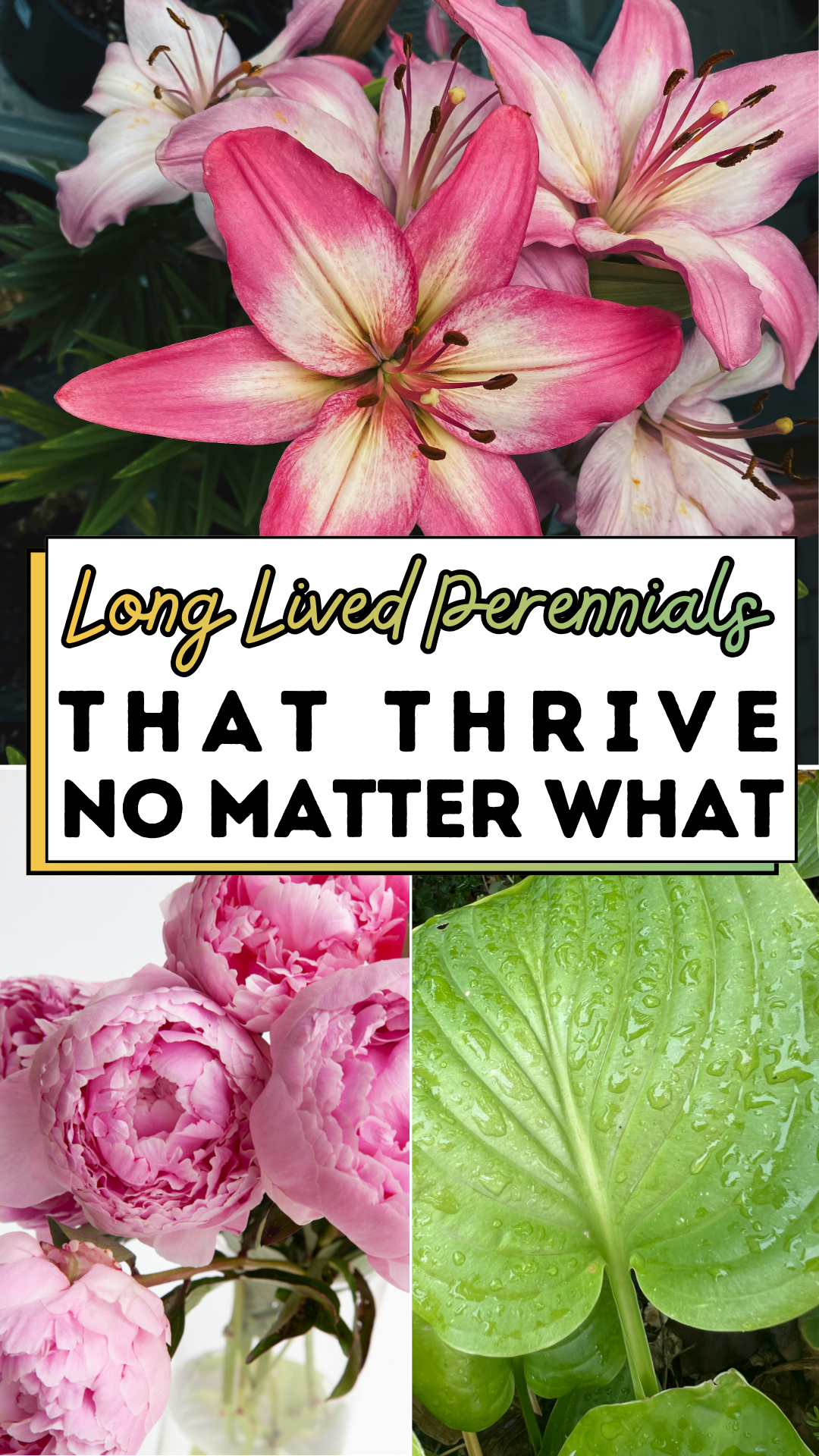
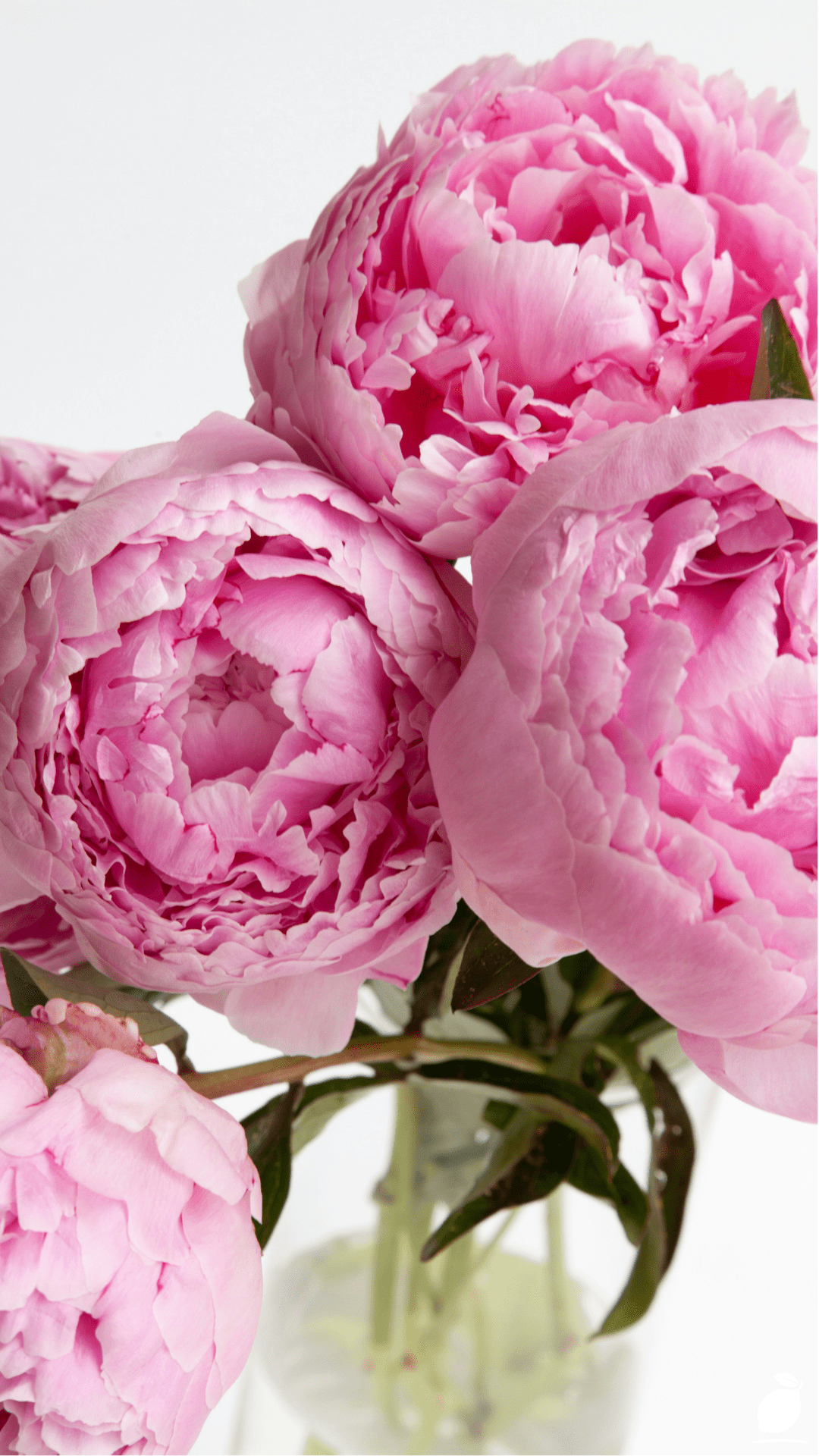
But imagine a different pace. Picture a quiet, sun-drenched corner of your home where a clear glass vase sits on a white linen tablecloth. Inside, four massive pink peonies, those quintessential long lived perennials, erupt in a ruffled explosion of rose and magenta. They look delicate, like crinkled silk, yet they are the product of a plant that may very well outlive the person who planted it. There is a profound, grounding stillness in a flower that doesn’t demand a constant “restart.” When the world outside feels chaotic, these blooms offer a visual anchor.
Choosing to lean into long lived perennials is about more than just gardening; it is a lifestyle toward Easy Peasy permanence. It is about deciding that you are done with the “one-and-done” plants that require yearly replacement and constant coddling. By investing in species that return year after year, growing stronger, you are creating a legacy of calm. You are building a sanctuary that thrives on its own terms, allowing you to stop managing the mess and start enjoying the view.
The Long-Lived Perennials System
Building a garden that lasts decades isn’t about luck; it’s about a structural approach that respects the plant’s future. Use this system to ensure your investment pays off for years to come.
Step 1: Prepare
The foundation of a perennial that lasts fifty years is the soil it starts in. Unlike annuals that only need a shallow nutrient boost, long lived perennials need deep, structural soil health. Before planting, dig a hole twice as wide as the root ball and enrich it with aged compost and bone meal. This encourages deep root penetration. Because these plants will stay in the same spot for a generation, this is your one chance to get the underground environment perfect. Think of it as laying the foundation of a house rather than just pitching a tent.
Step 2: Implement
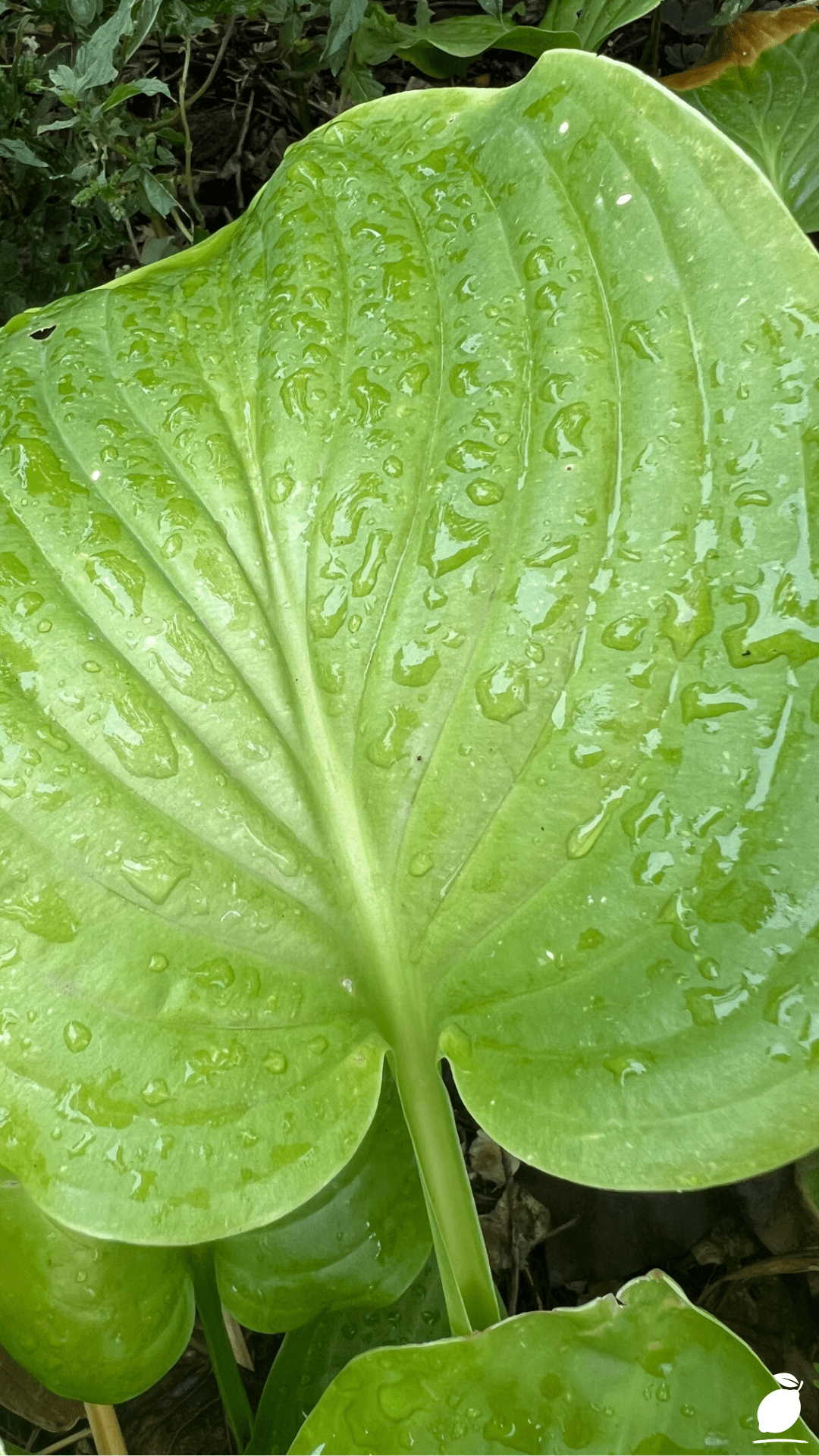
When it comes to the actual planting, spacing is your greatest tool. It is tempting to crowd plants together for an “instant” garden look, but long lived perennials need room to mature. A peony or a hosta might look small now, but in five years, it will demand its full radius. Plant them at the recommended width to ensure proper air circulation, which prevents the diseases that often cut a plant’s life short. Position them where they can remain undisturbed, as many of the hardiest species actually dislike being moved once they have settled in.
Step 3: Maintain
The beauty of this system is that maintenance decreases over time. For the first two years, focus on consistent deep watering to establish the root system. Once established, your main task is “seasonal editing.” This involves cutting back dead foliage in late autumn and applying a fresh layer of mulch every spring. This mulch suppresses weeds and retains moisture, doing the hard work for you. By following this low-touch routine, you allow the plants to build the resilience they need to thrive “no matter what” the weather throws at them.
The Secrets to long lived perennials
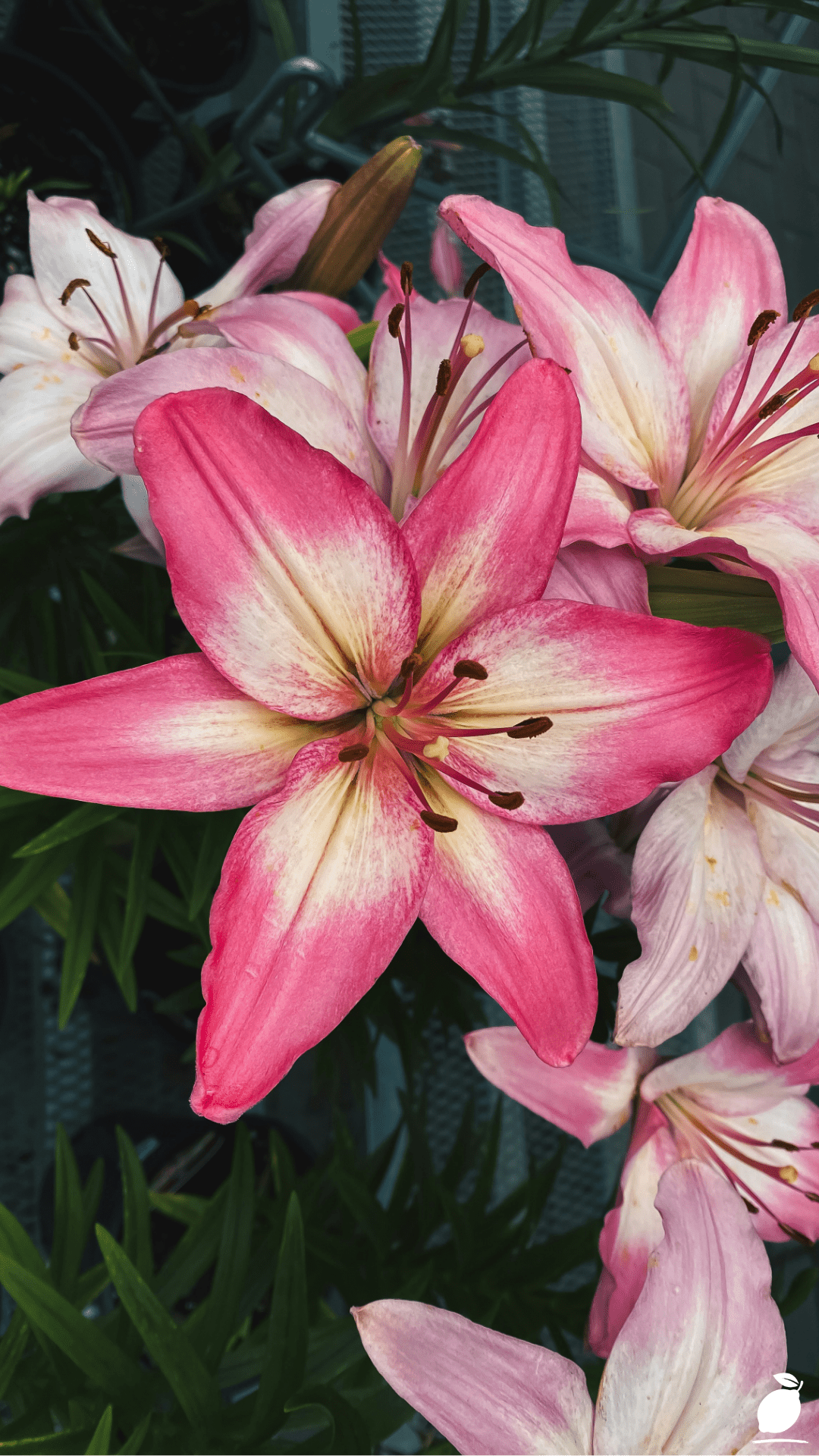
To achieve that professional, high-end look seen in luxury lifestyle photography, you need to look past the surface. Here are the trade secrets to keeping your garden enduringly beautiful.
Expert Pro-Tips
- Division is Multiplication: Many long lived perennials benefit from being dug up and split every few years. This rejuvenates the “mother” plant and gives you free plants to expand your garden.
- Support Your Stars: For heavy-headed blooms like peonies, use circular metal stakes early in the spring. Letting the plant grow through the support makes it invisible and prevents your flowers from flopping in the mud after a rainstorm.
- The “Slow Release” Rule: Use organic, slow-release fertilizers rather than harsh chemical spikes. You want steady, sturdy growth, not a sudden “flush” of weak stems that can’t support themselves.
Common Mistakes to Avoid
- Planting Too Deep: For peonies specifically, planting the “eyes” (buds) more than two inches below the soil surface will result in beautiful leaves but zero flowers.
- Moving Them Too Often: Some of the best long lived perennials have taproots that go deep. Frequent transplanting stresses the plant and can set back its blooming cycle by years.
- Ignoring Dormancy: Don’t panic when your perennials disappear in the winter. They are banking energy. Avoid the urge to dig in those “empty” spots, or you might accidentally damage the crown of a sleeping giant.
Why long lived perennials matter
In the world of interior design and lifestyle organization, we often talk about “clearing the mental load.” Nothing adds to that load like an environment that is constantly failing or requiring replacement. When your yard is filled with plants that die every winter, it creates a subconscious “to-do” list that never ends.
Choosing long lived perennials is an act of mental health preservation. It creates a sense of “Environmental Constancy.” Knowing that your peonies will bloom every June, regardless of how busy your life has become, provides a reliable rhythm to the year. It reduces the “decision fatigue” of having to redesign your space every spring. By surrounding yourself with life that is sturdy, predictable, and resilient, you mirror those qualities in your own mind. It is a visual reminder that growth takes time, and that the most beautiful things in life are those that we nurture for the long haul.
FAQ
What are the best long lived perennials for beginners?
Peonies, Daylilies, and Sedum are incredibly hardy. Peonies, in particular, are known to live for 50 to 100 years in the right conditions, making them the ultimate luxury plant for a low-maintenance lifestyle.
Do long lived perennials bloom all summer?
Generally, no. Most have a specific blooming window that lasts for several weeks. The secret to a perfect garden is “sequential blooming,” planting different long lived perennials that take turns flowering from spring through autumn.
Can I grow these plants in containers?
While possible, it is not ideal for their long-term health. To truly thrive for decades, long lived perennials need the insulation and room provided by the ground. If you must use a pot, ensure it is very large and frost-proof to protect the root systems during winter.